Why these desert-dwelling shrubs are the ancient source of a modern stimulant
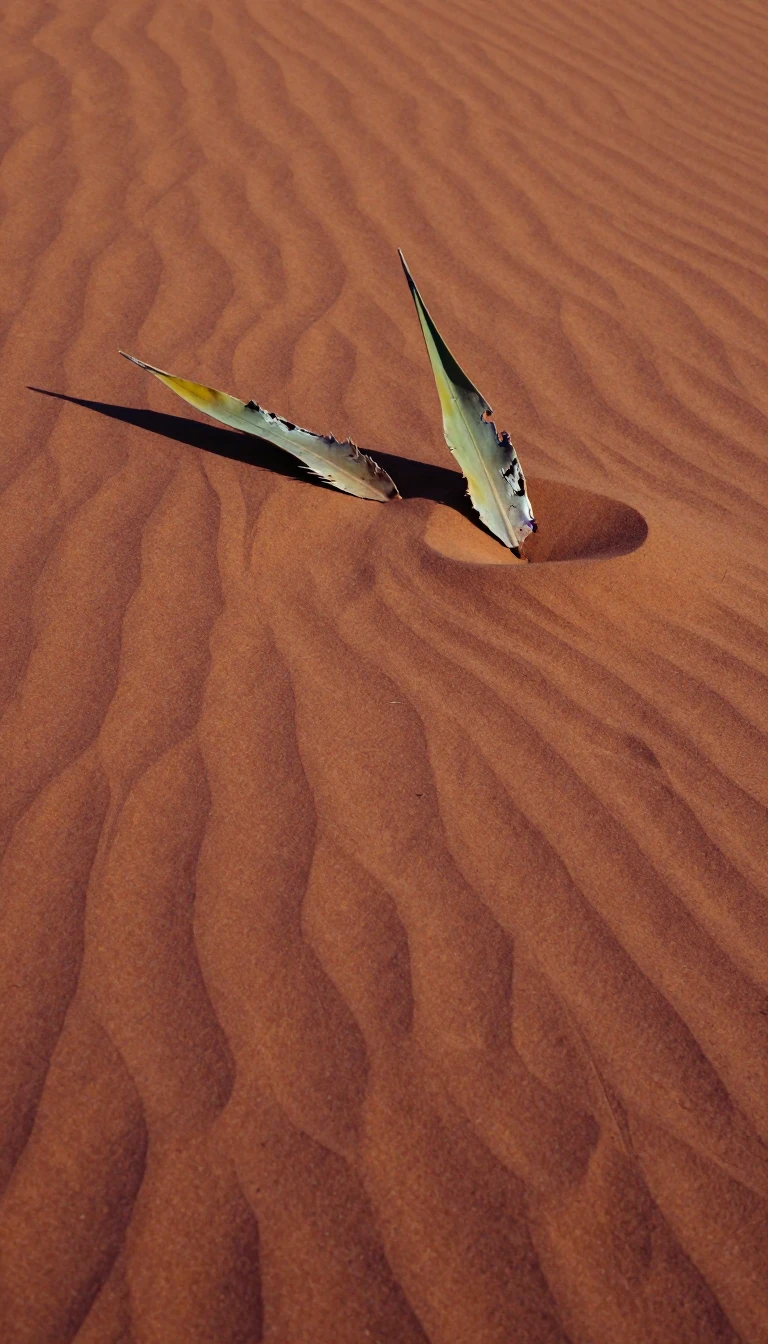
In short: Ephedra shrubs are evolutionary outliers, standing as the sole genus in their entire biological order. Thriving in arid landscapes from the American Southwest to China, these resilient plants have been used for millennia in herbal medicine and are the namesake source of the potent stimulant ephedrine.
The genus Ephedra consists of approximately 65 to 74 species of gymnosperm shrubs that have adapted to survive in harsh, dry environments. Unlike most plants, their leaves are reduced to tiny, scale-like structures, and photosynthesis is primarily carried out by their green, jointed stems. This unique anatomy is a direct response to the necessity of minimizing water loss through transpiration in desert climates. While they are often found in sandy soils with direct sun exposure, some species can grow as clambering vines or even small trees.
These plants have a long history of human use. In China, the species known as ma huang has been utilized in herbal medicine for thousands of years. Similarly, indigenous peoples and pioneers in the southwestern United States and Mexico brewed stem fragments into a tea-like beverage, commonly referred to as Mormon tea, Mexican tea, or desert tea. The plants contain significant concentrations of ephedrine, a compound historically prescribed as a decongestant and to induce sweating, though it is now largely produced through synthetic manufacturing processes.
Botanically, Ephedra is an isolated group within the division Gnetophyta. The genus is mostly dioecious, meaning male and female cones typically occur on separate plants. Their fossil record is ancient, with members dating back to the Early Cretaceous period about 125 million years ago. While molecular clock estimates suggest the last common ancestor of living species may have emerged during the Early Oligocene around 30 million years ago, the presence of specific pollen types in the Late Cretaceous suggests the lineage could be significantly older.
Opens the Intellect+ feed with this card first. Swipe up for the next one.
Sources
- Summary by Intellect · source: Ephedra | Description, Plant, Distribution, Major Species, Tea, & Uses | Britannica
- Also: Ephedra (plant)
To cite this card, link to https://intellectplus.co.uk/app/gardening-ephedra-plant.
How we source, check and correct cards: Editorial standards.
General information, not professional advice. Spotted an error? Flag the card or see corrections and complaints.
Intellect Plus is a visual educational discovery platform for exploring fascinating facts and ideas. Brain Food, Not Brain Rot. What is Intellect Plus?
Related
More in Plants · More in Gardening · Latest · A–Z · All topics
