The Crown Imperial: A Striking Garden Giant With a Surprisingly Skunky Secret
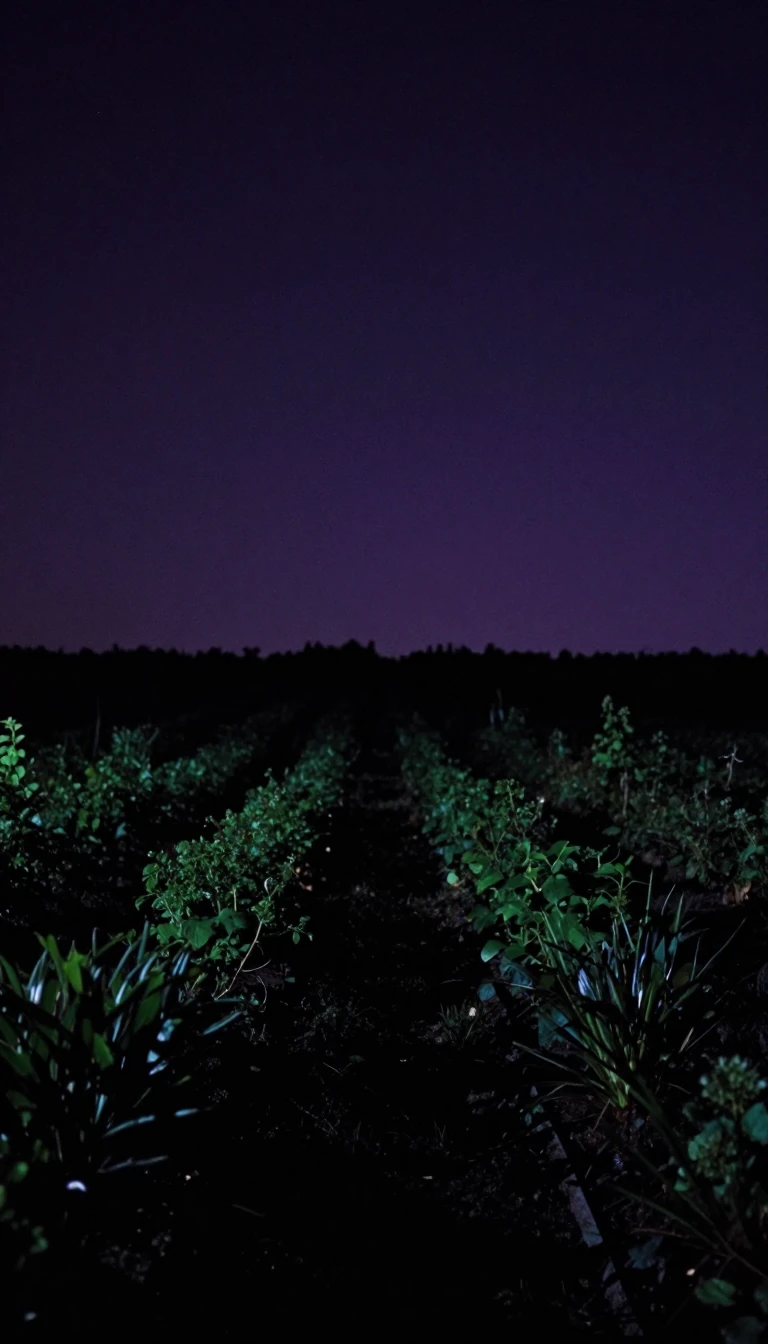
In short: The Fritillaria imperialis is a botanical showstopper, reaching heights of over a meter with bold, nodding blooms. Yet, beneath its regal appearance lies a pungent, sulfurous odor often described as skunky or sweaty. Growing these architectural bulbs requires specific soil conditions and a strategic approach to ensure they return annually.
The Crown Imperial, or Fritillaria imperialis, is a bulbous perennial prized for its dramatic spring display. These plants typically grow to 100cm, though specific cultivars like 'Maxima Lutea' can reach 1.2m. They thrive in deep, well-drained, alkaline loam and require a sunny, undisturbed position to flourish. Because they are sensitive to moisture, gardeners often plant them on their sides to prevent rot, though the bulbs naturally right themselves over time. For those dealing with heavy clay, raised beds or containers are essential to ensure the drainage these plants demand.
Success with Fritillaria hinges on early autumn planting. Large, firm bulbs—ideally 8-10cm in diameter—must be planted at least 30cm deep to establish strong roots before winter. If these conditions are not met, or if the soil is infertile or sandy, the plants may fail to flower in subsequent years. Once shoots emerge in spring, a mulch of well-rotted organic matter and targeted potassium-rich feeding can support growth. However, gardeners must avoid the common mistake of waiting until after flowering to intervene; by then, the following year's bulb has already formed.
Beyond their horticultural requirements, Fritillaria species are biologically fascinating. The genus, which includes about 130 to 140 species, is part of the lily family and is known for its large genome size. While some species emit sweet fragrances, the Crown Imperial is notorious for its 'foxy' scent, caused by the chemical compound 3-methyl-2-butene-1-thiol. This pungent odor is a stark contrast to the plant's elegant, bell-shaped flowers, which have long been favored by artists and gardeners alike. Whether grown for their architectural height or their unique biological traits, these plants remain a sophisticated, if demanding, addition to the temperate garden.
Opens the Intellect+ feed with this card first. Swipe up for the next one.
Sources
- Summary by Intellect · source: Crown Imperial Care | RHS Advice
- Also: Fritillaria
To cite this card, link to https://intellectplus.co.uk/app/gardening-fritillaria.
How we source, check and correct cards: Editorial standards.
General information, not professional advice. Spotted an error? Flag the card or see corrections and complaints.
Intellect Plus is a visual educational discovery platform for exploring fascinating facts and ideas. Brain Food, Not Brain Rot. What is Intellect Plus?
Related
More in Plants · More in Gardening · Latest · A–Z · All topics
