Is the humble napa cabbage a natural hybrid of turnip and pak-choi?
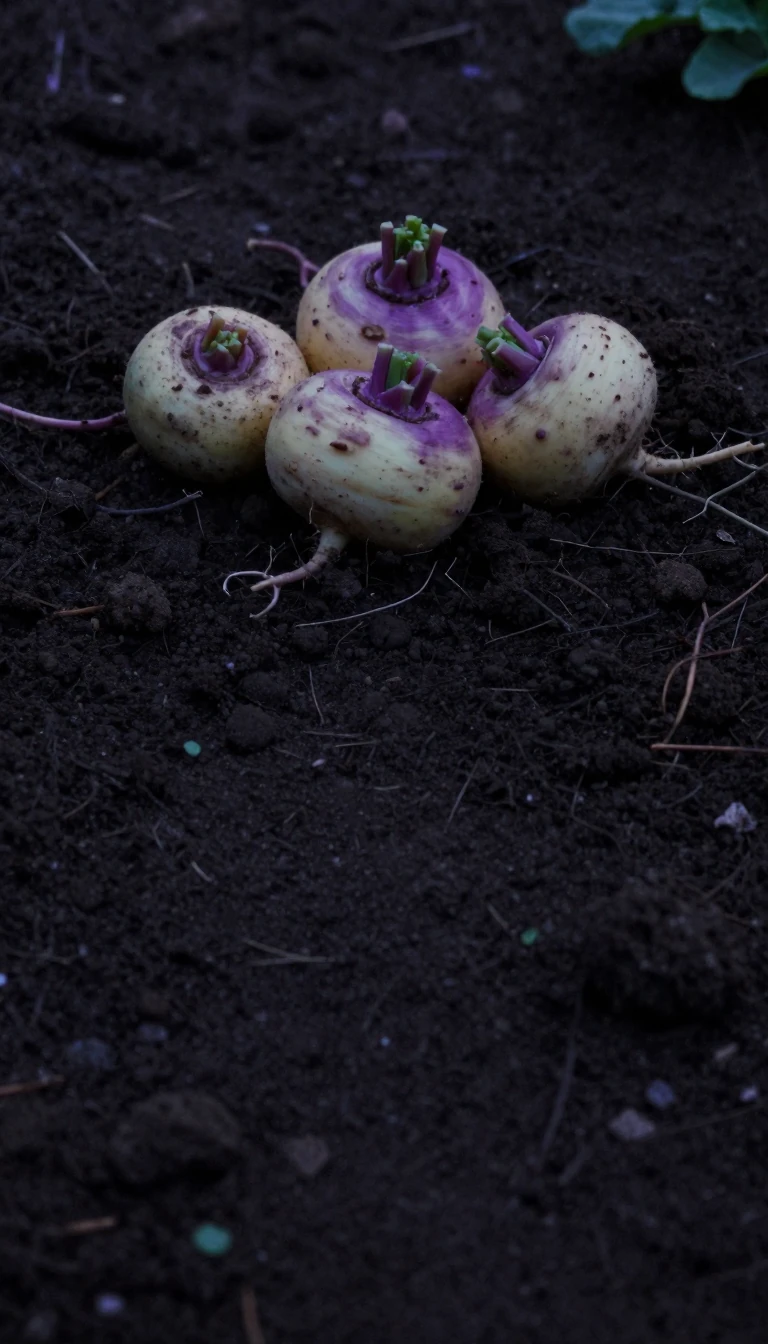
In short: This cool-season staple, essential to kimchi and East Asian cuisine, is a botanical marvel. Beyond its culinary versatility, napa cabbage is a product of sophisticated 20th-century breeding programs designed to combat starvation. Discover how this leafy vegetable evolved from a regional crop into a global, year-round agricultural powerhouse.
Napa cabbage (Brassica rapa subsp. pekinensis) likely emerged from a natural hybridization between turnip and pak-choi, a theory supported by molecular data and artificial cross-breeding experiments. First documented in 15th-century China, the vegetable eventually spread across Asia and, by the 19th century, reached Europe, America, and Australia. Its name reflects its history: 'napa' stems from a Japanese colloquialism for vegetable leaves, while its Chinese name, dàbáicài, translates to 'big white vegetable'.
Cultivating this annual requires precision. It thrives in cool, mild conditions, ideally between 13 and 21 °C, and demands consistent moisture—especially during head formation—to prevent calcium deficiency and unmarketable leaf tip death. Because the plant is sensitive to day length and temperature, which can trigger premature bolting, modern agriculture relies on specialized cultivars. Breeding efforts, particularly in Korea starting in 1906, have been transformative. Dr. Woo Jang-choon was instrumental in developing high-yield hybrid varieties that allowed for year-round production, a necessity for the consistent supply required for kimchi.
The plant faces numerous biological challenges, including fungal diseases like Alternaria blight, anthracnose, and black root. Growers must also manage 'pepper spots' (gomasho), a cosmetic physiological defect that appears as dark spots on leaf veins, often exacerbated by high nitrogen levels or cold storage. Despite these hurdles, napa cabbage remains a symbol of prosperity in China and a cornerstone of global food security, with hundreds of varieties registered in the 21st century to meet diverse environmental and culinary demands.
Opens the Intellect+ feed with this card first. Swipe up for the next one.
Sources
- Summary by Intellect · source: Napa cabbage
To cite this card, link to https://intellectplus.co.uk/app/gardening-napa-cabbage.
How we source, check and correct cards: Editorial standards.
General information, not professional advice. Spotted an error? Flag the card or see corrections and complaints.
Intellect Plus is a visual educational discovery platform for exploring fascinating facts and ideas. Brain Food, Not Brain Rot. What is Intellect Plus?
Related
More in Plants · More in Gardening · Latest · A–Z · All topics
