The ancient spice blend that connects ancient Egypt to modern identity
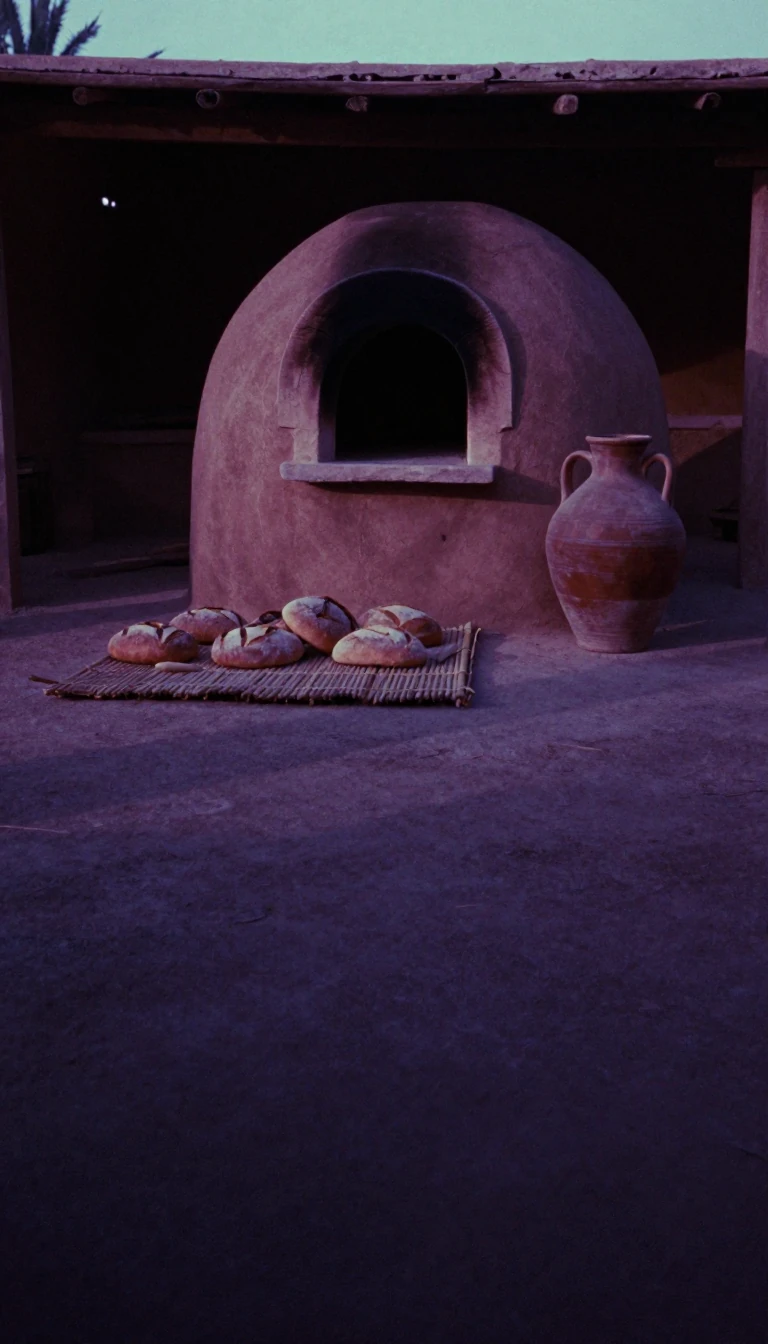
In short: More than just a savory seasoning, za'atar is a botanical thread weaving through millennia of history. From the tombs of Pharaohs to medieval medical texts, this aromatic blend of herbs and sumac has served as a culinary staple, a medicinal remedy, and a powerful symbol of cultural heritage.
The term za'atar refers to both a family of wild herbs, primarily from the Origanum and Thymbre genera, and the iconic spice mixture itself. Traditionally, the blend is crafted by grinding Origanum syriacum—often called Bible hyssop—and mixing it with salt, toasted sesame seeds, and the tartness of sumac berries. Regional variations offer unique profiles: Lebanese versions often feature a deep red hue from heavy sumac use, while Palestinian varieties may incorporate caraway seeds.
The botanical history of za'atar is remarkably deep. Archaeological evidence shows that Thymbra spicata was present in the 14th-century BCE tomb of Tutankhamun. This long-standing relationship with humanity is documented in classical texts, such as Pliny the Elder’s 1st-century CE Natural History, which mentions 'maron' in a royal perfume, a substance scholars link to za'atar species. In the medieval period, the herb's utility moved into the realm of medicine. The 13th-century physician al-Turkomani described its ability to soothe abdominal pain, while the renowned philosopher-physician Maimonides recommended it for its health-promoting properties.
Beyond the kitchen and the pharmacy, za'atar carries profound social weight. In Palestinian tradition, the herb is a vital cultural marker, representing a tangible connection to ancestral villages. However, its use has become a point of modern legal tension. In 1977, Israel designated Origanum syriacum as a protected species to prevent overharvesting, with stricter regulations following in 2005. While intended for conservation, these laws have been criticized by some Arab communities as restrictions on traditional foraging practices, illustrating how a simple herb can become a centerpiece of complex political and environmental debate.
Opens the Intellect+ feed with this card first. Swipe up for the next one.
Sources
- Summary by Intellect · source: Za'atar
To cite this card, link to https://intellectplus.co.uk/app/nature-za-atar.
How we source, check and correct cards: Editorial standards.
General information, not professional advice. Spotted an error? Flag the card or see corrections and complaints.
Intellect Plus is a visual educational discovery platform for exploring fascinating facts and ideas. Brain Food, Not Brain Rot. What is Intellect Plus?
Related
More in Organisms · More in Nature · Latest · A–Z · All topics
