The tree that gave Brazil its name is now a rare, endangered musical treasure.
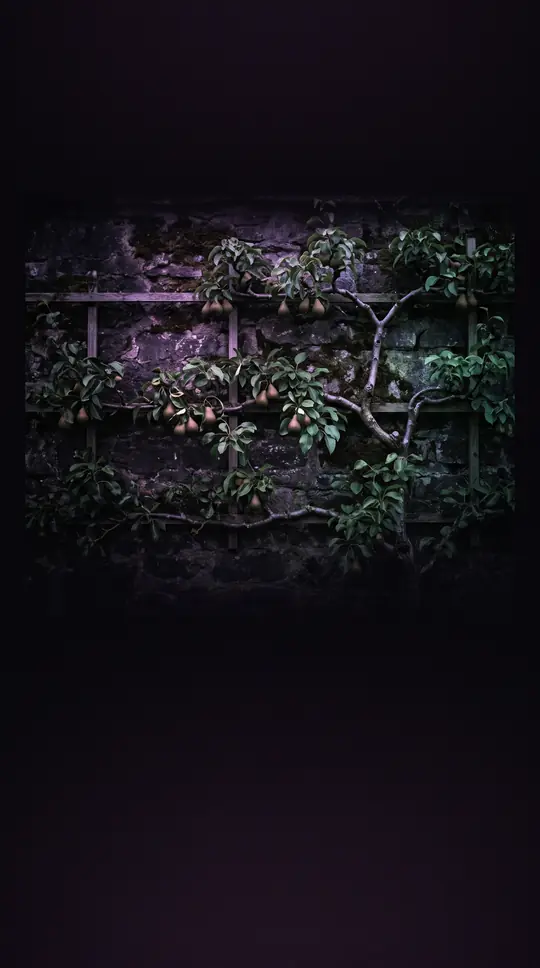
In short: Brazilwood, or Paubrasilia echinata, once fueled a global trade war and defined a nation's identity. Today, this thorny legume is nearly extinct in the wild, yet it remains the gold standard for crafting the world's finest violin bows, prized for a unique combination of resonance, density, and durability.
The story of Paubrasilia echinata is inextricably linked to the history of Brazil itself. When Portuguese explorers arrived on the South American coast in 1500, they discovered an abundance of these trees, which they recognized as a source of high-quality red dye similar to the Asian sappanwood. The resulting trade was so lucrative that the land was eventually named after the wood, derived from the term pau-brasil, meaning ember-like or reddish wood. This economic bounty triggered fierce competition, drawing in pirates and rival empires eager to seize cargo from Portuguese ships throughout the sixteenth and seventeenth centuries.
Botanically, the tree is a member of the Fabaceae family, native to the threatened coastal forests of eastern Brazil. It can reach heights of 15 metres and is characterized by bark that flakes in plates to reveal red tissues, along with yellow, fragrant flowers featuring a blood-red spot. The tree is covered in thorns, a feature reflected in its scientific name, echinata, which translates to hedgehog. While historically valued for the dye brazilin, extracted from its heartwood, the tree's modern significance has shifted toward the music industry.
Today, the wood is considered the premier material for manufacturing bows for stringed instruments, a craft that requires immense skill to select pieces with the right cellular arrangement for optimal resonance. However, centuries of overexploitation, which caused a trade collapse in the eighteenth century, have left the species nearly extirpated in its natural range. Now listed as an endangered species by the IUCN, the tree is the subject of international trade regulations like CITES. These restrictions have forced bow makers to search for alternatives, including carbon fibre and other dense tropical timbers, as the world attempts to preserve the remaining legacy of this iconic, historically transformative plant.
Opens the Intellect+ feed with this card first. Swipe up for the next one.
Sources
- Summary by Intellect · source: Oxford University Plants 400: Paubrasilia echinata
- Also: Paubrasilia
To cite this card, link to https://intellectplus.co.uk/app/gardening-paubrasilia.
How we source, check and correct cards: Editorial standards.
General information, not professional advice. Spotted an error? Flag the card or see corrections and complaints.
Intellect Plus is a visual educational discovery platform for exploring fascinating facts and ideas. Brain Food, Not Brain Rot. What is Intellect Plus?
Related
More in Plants · More in Gardening · Latest · A–Z · All topics
