How a peacekeeping mission introduced a century-old disease to Haiti
In short: In 2010, months after a devastating earthquake, Haiti was struck by a catastrophic cholera epidemic. The disease had not been seen in the country for over a hundred years until it was traced back to a United Nations peacekeeping camp, sparking a decade of tragedy and international debate.
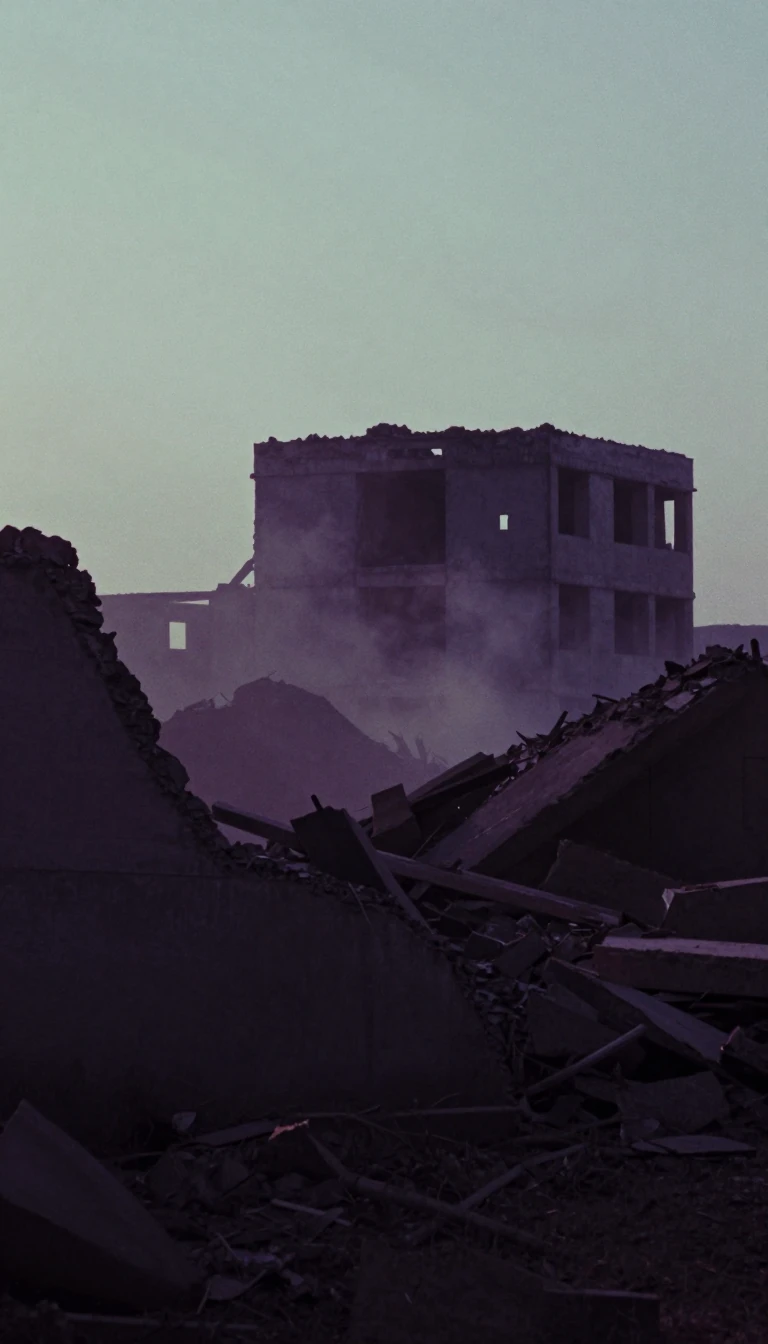
The outbreak began in October 2010, just nine months after a 7.0 magnitude earthquake killed over 200,000 people and shattered the nation's infrastructure. Because cholera had been absent from Haiti for more than a century, the population lacked any acquired immunity. Because people lacked immunity, the illness spread rapidly; just 48 hours after initial infections surfaced by a UN site in the central highlands, a clinic situated 60 miles away took in fresh victims every 3.5 minutes.
Investigations eventually linked the source to Vibrio cholerae contamination from UN peacekeepers deployed from Nepal. The bacterium entered the Artibonite River, a vital water source where tens of thousands of people bathe, wash clothes, and obtain drinking water annually. This environmental contamination turned a localized incident into an endemic crisis, causing 814,551 suspected cases and 9,693 deaths between October 2010 and July 2017.
The United Nations spent years in high-level denial regarding its role until 2013, when it finally acknowledged its involvement. While the UN maintained a legal position of absolute immunity from reparations, the admission marked a significant shift in accountability. The response became one of the most coordinated modern public health efforts, involving the CDC and Haitian authorities to train over 10,000 healthcare workers and establish national surveillance systems.
Despite these massive interventions, structural issues like weak water and sanitation systems allowed cholera to persist as the largest epidemic in the Western Hemisphere for years. By late 2016, a new UN approach was launched to focus on building sound infrastructure rather than just emergency response. While cases dropped by over 64% in early 2017, the persistence of the disease highlights how environmental and systemic vulnerabilities can sustain an epidemic long after the initial spark.
Opens the Intellect+ feed with this card first. Swipe up for the next one.
Sources
- Summary by Intellect · source: Haiti: Cholera Outbreak - 2010-2017 | ReliefWeb
- Also: U.N. Admits Role In Haiti Cholera Outbreak That Has Killed Thousands : The Two-Way : NPR
- Also: 2010s Haiti cholera outbreak
To cite this card, link to https://intellectplus.co.uk/app/health-2010s-haiti-cholera-outbreak.
How we source, check and correct cards: Editorial standards.
General information, not professional advice. Spotted an error? Flag the card or see corrections and complaints.
Intellect Plus is a visual educational discovery platform for exploring fascinating facts and ideas. Brain Food, Not Brain Rot. What is Intellect Plus?
Related
More in History of medicine · More in Health · Latest · A–Z · All topics
