The hidden health toll of Haiti's 2021 earthquake
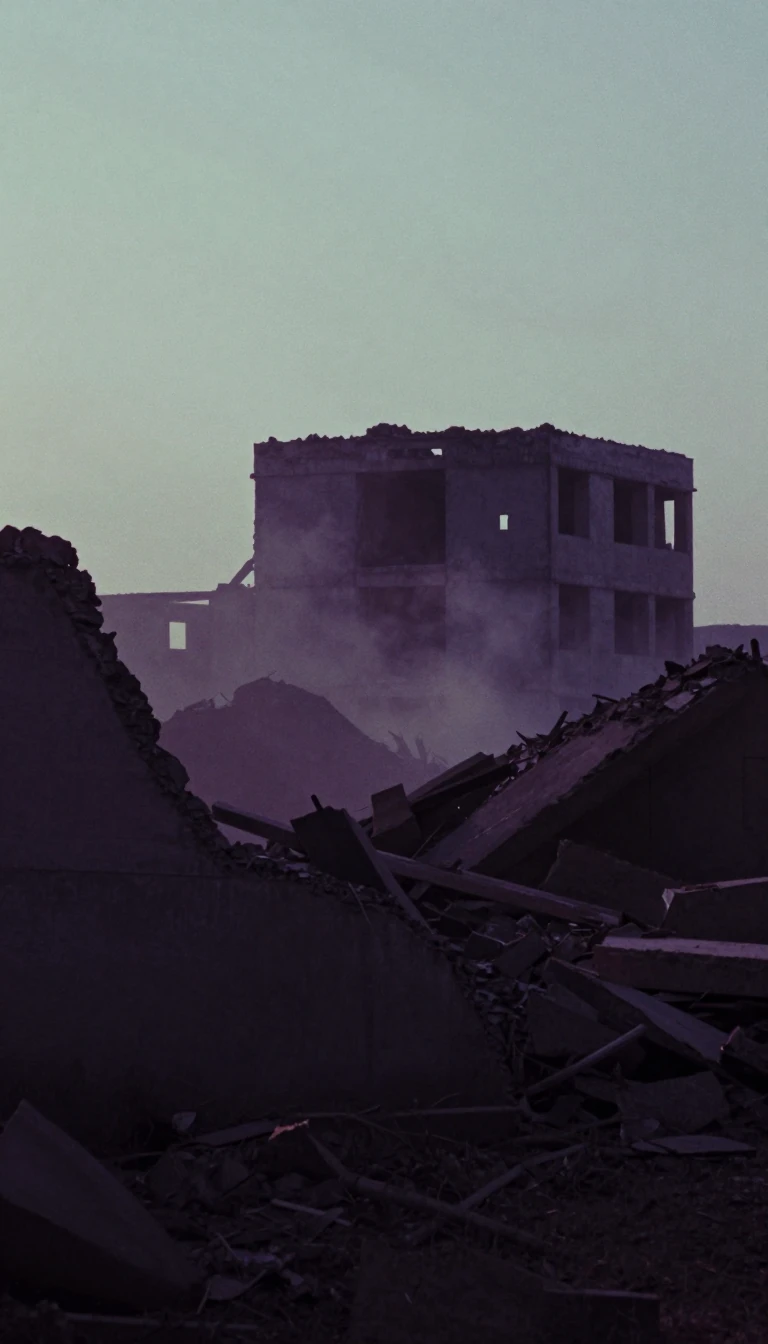
In short: When a 7.2 magnitude earthquake strikes, the immediate destruction is visible, but the secondary health crisis is often harder to map. In Haiti, the quake didn't just collapse buildings; it exacerbated pre-existing vulnerabilities, creating a complex web of trauma, infectious disease, and systemic barriers to care.
On August 14, 2021, a 7.2 magnitude earthquake struck southwestern Haiti, specifically the Tiburon Peninsula. The disaster resulted in at least 2,248 deaths and injured over 12,700 people. While the physical destruction was immense—damaging or destroying at least 137,500 buildings—the humanitarian impact was compounded by pre-existing conditions. Before the quake, Haiti was already struggling with rising food insecurity, a deteriorating infrastructure, and disrupted markets due to the COVID-19 pandemic and gang violence.
The earthquake disproportionately affected rural areas, which already lacked essential services like healthcare. In these regions, the impact was intensified by Tropical Depression Grace, which damaged the livelihoods of residents who rely primarily on agriculture. Data from a rapid gender analysis in the Grand'Anse, Nippes, and Sud departments revealed a stark disparity: 54% of women and 46% of men reported difficulties accessing health services. Furthermore, 60% of respondents noted increased food insecurity, while nearly 20% were left with no shelter at all.
Medical responses faced unique hurdles. International Medical Corps deployed an Emergency Medical Team (EMT) Type 1 facility in Aquin to serve at least 100 patients daily. However, while 80 consultations were directly related to the quake, 225 were indirectly related—including skin and respiratory infections caused by sleeping outdoors. The team also faced logistical constraints, including security risks and staffing fluctuations driven by the Delta variant of COVID-19 in the United States. This highlights a critical nuance: in disaster zones, the 'indirect' health consequences of displacement often create a sustained burden on fragile systems.
in the prompt's JSON structure was a typo in my thought process, but I will ensure the JSON is valid. I will provide the correct JSON.<channel|>```json={
Opens the Intellect+ feed with this card first. Swipe up for the next one.
Sources
- Summary by Intellect · source: 2021 Haiti Earthquake Situation Report #3 - September 20, 2021 - Haiti | ReliefWeb
- Also: 2021 Haiti earthquake
To cite this card, link to https://intellectplus.co.uk/app/health-2021-haiti-earthquake.
How we source, check and correct cards: Editorial standards.
General information, not professional advice. Spotted an error? Flag the card or see corrections and complaints.
Intellect Plus is a visual educational discovery platform for exploring fascinating facts and ideas. Brain Food, Not Brain Rot. What is Intellect Plus?
Related
More in History of medicine · More in Health · Latest · A–Z · All topics
