Simulating the human brain to unlock secrets of Alzheimer's disease
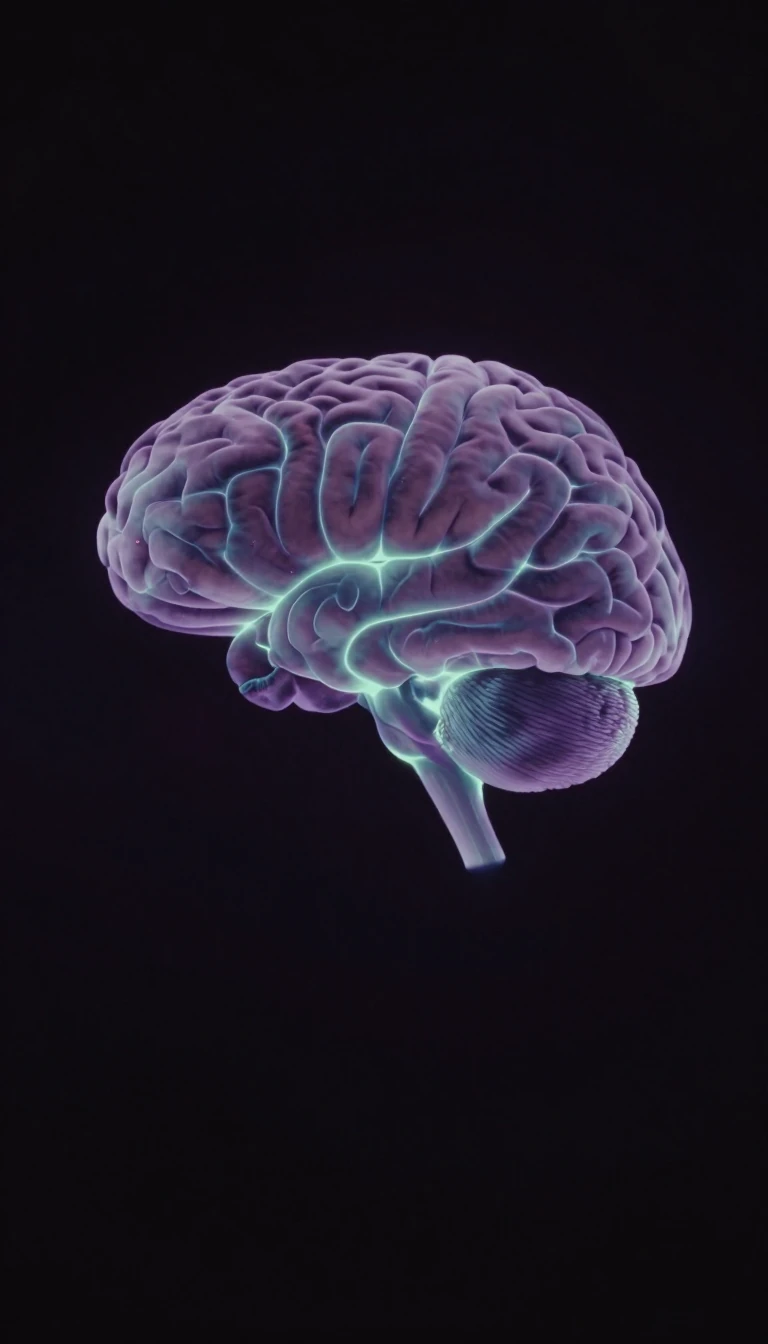
In short: Since experimental manipulation of the human brain is restricted, researchers are building high-fidelity simulations to study health and disease. These tools range from 3D human tissue cultures containing every major cell type to computational models that replicate learning behaviors, offering a scalable way to test personalized medical treatments.
Researchers are moving beyond traditional animal models to create two distinct types of brain simulations: biological tissue cultures and computational models. The 'miBrain' method involves a 3D culture of human brain tissue incorporating every primary cell type: neurons, microglia, oligodendrocytes, astrocytes, pericytes, and endothelial cells. Developed by Picower Institute researchers starting with a 2019 NIH grant, miBrains are created by converting human skin cells into stem cells, then into various brain cell types, and finally assembling them into a functional unit within a hydrogel. This allows for the creation of personalized models that carry a specific donor's genome, including blood vessels and immune defenses.
The miBrain platform has already revealed critical nuances in Alzheimer's disease pathology. Specifically, it helped identify how the APOE4 variant of the APOE gene—the largest genetic risk factor for the disease—interacts with other cells to promote pathology. The study found that APOE4 astrocytes only promote pathology when they interact with microglia; when isolated or paired with different cells, the same pathology-promoting response was absent. Furthermore, scientists have modified miBrains to include circulatory networks hooked to microfluidic systems, allowing them to test how drugs navigate the "blood-brain barrier."
In contrast to biological cultures, computational models like "Neuroblox" use biologically-based algorithms to simulate brain circuitry and dynamics. These models can replicate learning behaviors and reveal neural activity that often goes unnoticed in real-world brain data. Additionally, new generative frameworks like "Tera-MIND" use diffusion models to simulate tera-scale mouse brains in 3D. By using spatial gene expression as input, these models can identify spatial molecular interactions for key systems, such as dopaminergic pathways, providing a scalable way to model whole virtual organisms for biomedical research.
These technologies offer a high-volume platform for drug development and personalized treatment screening. By creating multiple copies of a patient's miBrain, researchers can alter specific genes or expose the tissue to various agents to see how they fare before moving to human trials. This biomimetic modeling provides a more efficient, human-specific way to study disease progression and rescue mechanisms that animal models might fail to capture accurately.
Opens the Intellect+ feed with this card first. Swipe up for the next one.
Sources
- Summary by Intellect · source: Brain Simulation
- Also: Brain simulation
To cite this card, link to https://intellectplus.co.uk/app/health-brain-simulation.
How we source, check and correct cards: Editorial standards.
General information, not professional advice. Spotted an error? Flag the card or see corrections and complaints.
Intellect Plus is a visual educational discovery platform for exploring fascinating facts and ideas. Brain Food, Not Brain Rot. What is Intellect Plus?
Related
More in Brain · More in Health · Latest · A–Z · All topics
