Your body is a forest of five million follicles, most of them invisible.
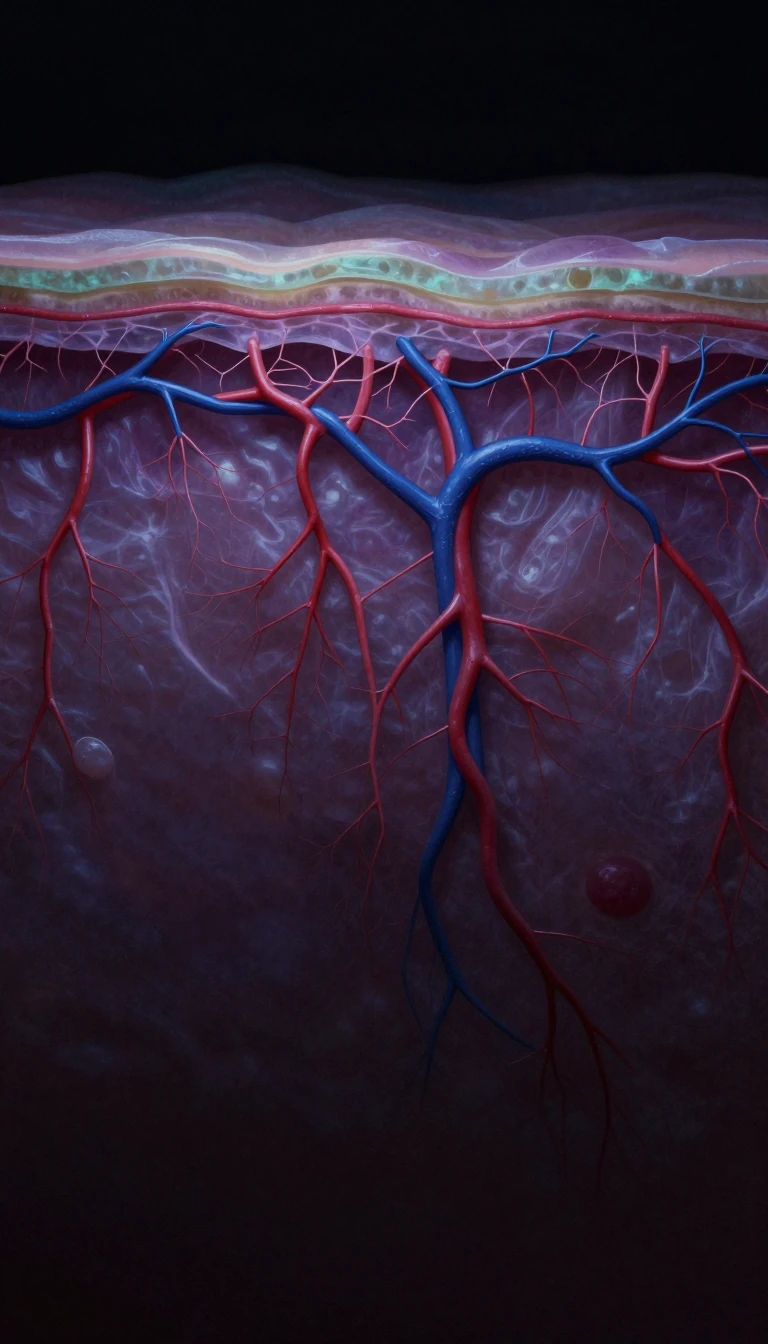
In short: Beyond the hair on your head, your skin is covered in millions of tiny, often unseen follicles. While we obsess over scalp growth, these hidden structures follow precise biological cycles that dictate everything from texture to color, acting as a complex, living shield that changes significantly throughout your life.
The human body is home to approximately 5 million hair follicles, yet only a small fraction—about 100,000 to 150,000—reside on the scalp. Almost every inch of skin is covered in vellus hair, the fine, light, and nearly invisible fuzz that persists from childhood. It is only during puberty that androgenic hormones trigger the transformation of these follicles into terminal hair: the thicker, darker, and more visible strands found on the face, chest, and limbs.
Every hair follows a strict three-stage rhythm. The growth phase, or anagen, determines length; while scalp hair can grow for years, reaching over one meter, body hair typically stays in this phase for only a few months. This is followed by the catagen phase, a short two-to-four-week transition where the root separates from its blood supply, and finally the telogen phase, a months-long resting period before the hair is shed. Because body hair has a much shorter anagen phase than scalp hair, it naturally remains shorter.
Hair color and density are governed by melanin, the same pigment responsible for skin and eye tone. Eumelanin produces black or brown shades, while pheomelanin creates red or auburn hues. As we age, melanin production declines, and air pockets form within the hair shaft, causing it to turn gray or white. Beyond natural aging, hormonal shifts can drastically alter hair patterns. Conditions like hirsutism, often linked to androgen sensitivity or polyendocrine metabolic ovarian syndrome, can cause women to develop thick, dark terminal hair in areas typically associated with male patterns, such as the chest or back.
The utility of these follicles extends into modern medicine. In cases of limited scalp donor reserves, surgeons now utilize body hair transplantation, harvesting follicles from the chest or suprapubic regions to restore scalp coverage. This highlights that body hair is not merely a cosmetic feature, but a biological resource that reflects our internal hormonal health and genetic history.
Opens the Intellect+ feed with this card first. Swipe up for the next one.
Sources
- Summary by Intellect · source: What Is Body Hair and Why Do We Have It?
- Also: Excessive hair growth (hirsutism)
- Also: Body hair
- Also: Suprapubic Hair as a Supplementary Donor Source in Body Hair Follicular Unit Extraction: A Case Report.
To cite this card, link to https://intellectplus.co.uk/app/health-body-hair.
How we source, check and correct cards: Editorial standards.
General information, not professional advice. Spotted an error? Flag the card or see corrections and complaints.
Intellect Plus is a visual educational discovery platform for exploring fascinating facts and ideas. Brain Food, Not Brain Rot. What is Intellect Plus?
Related
More in Anatomy and morphology · More in Health · Latest · A–Z · All topics
