Your body is a collection of eleven specialized systems working in perfect, complex harmony
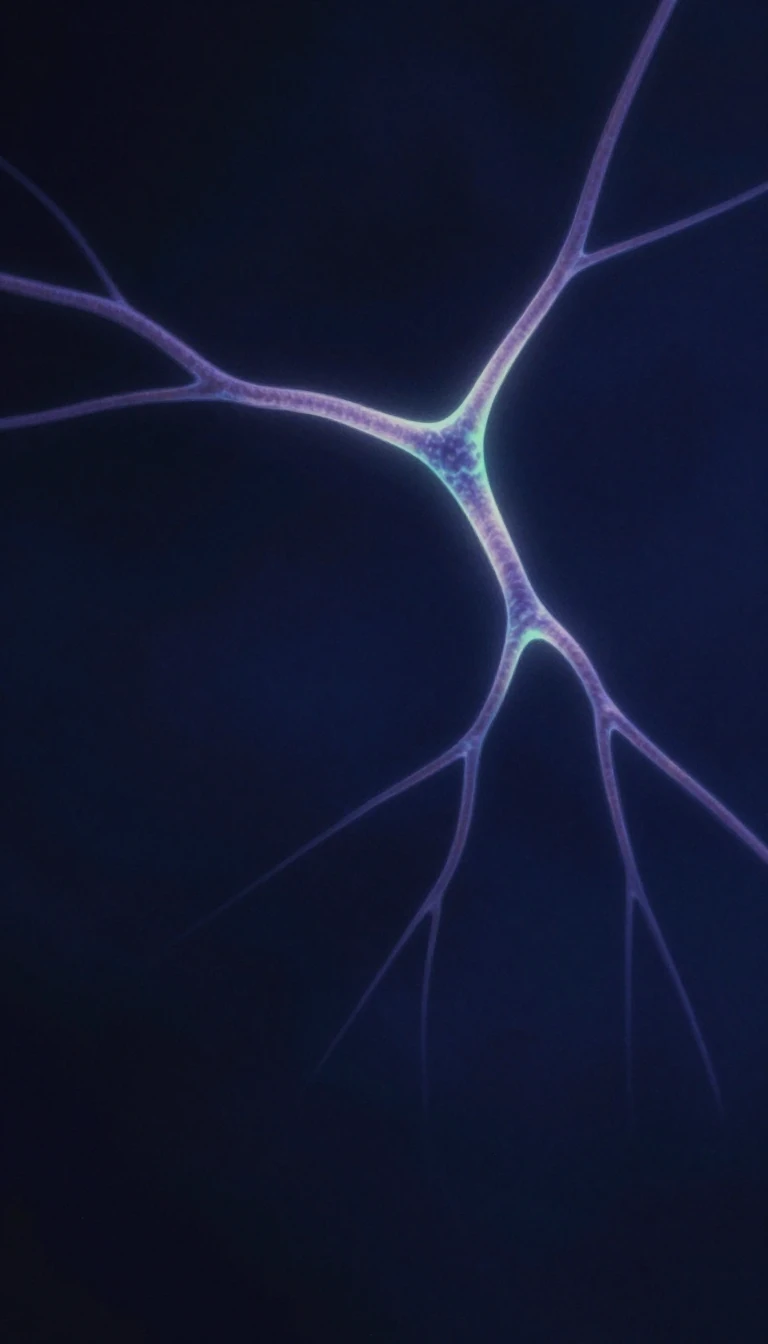
In short: An organ system is a biological team of organs collaborating to perform vital bodily functions. While we often think of our bodies as singular units, they are actually composed of eleven distinct systems, each built from specialized tissues that manage everything from movement and digestion to internal communication and reproduction.
In human anatomy, eleven specific organ systems form the foundation of our physiology. These include the networks responsible for breathing, processing nutrients, filtering waste, circulating blood, and maintaining our external and internal structures. Other systems, like the immune system, are critical for survival but do not technically qualify as organ systems because they lack a composition of distinct organs.
The boundaries between these systems are often fluid. Some organs serve multiple masters; for instance, the nose functions as a key component of the respiratory system while simultaneously acting as a sensory organ within the nervous system. Similarly, the testes and ovaries play dual roles, contributing to both the reproductive and endocrine systems. This interconnectedness highlights that the body is not a collection of isolated parts, but a highly integrated, overlapping architecture.
This organizational logic extends beyond humans. While simpler animals may possess fewer systems or a different number of organs, the concept of systemic biological cooperation is widespread. Plants, for example, utilize a two-part structure: a shoot system—comprising stems, leaves, and reproductive parts—that captures light for photosynthesis, and a root system that anchors the plant while absorbing essential minerals and water from the soil.
Understanding these systems requires looking at the microscopic level. Organs are built from tissues, which are in turn composed of cells and extracellular materials. Whether it is the bioluminescent light-producing organs of ponyfishes or the complex human brain, the specific arrangement of these tissues dictates the organism's capabilities. By categorizing these structures, scientists can better map how life sustains itself, from the rapid blinking of a fish to the bipedal movement of a human.
Opens the Intellect+ feed with this card first. Swipe up for the next one.
Sources
- Summary by Intellect · source: Organ system
- Also: www.britannica.com — Human body | Organs, Systems, Structure, Diagram, & Facts | Britannica
- Also: PloS one — Morphology of the light-organ system and bioluminescent blinking in the ponyfish tribe Equulitini (Teleostei: Leiognathidae). · CC BY
To cite this card, link to https://intellectplus.co.uk/app/health-organ-system.
How we source, check and correct cards: Editorial standards.
General information, not professional advice. Spotted an error? Flag the card or see corrections and complaints.
Intellect Plus is a visual educational discovery platform for exploring fascinating facts and ideas. Brain Food, Not Brain Rot. What is Intellect Plus?
Related
More in Anatomy and morphology · More in Health · Latest · A–Z · All topics
