The danger of believing humans are born as blank slates
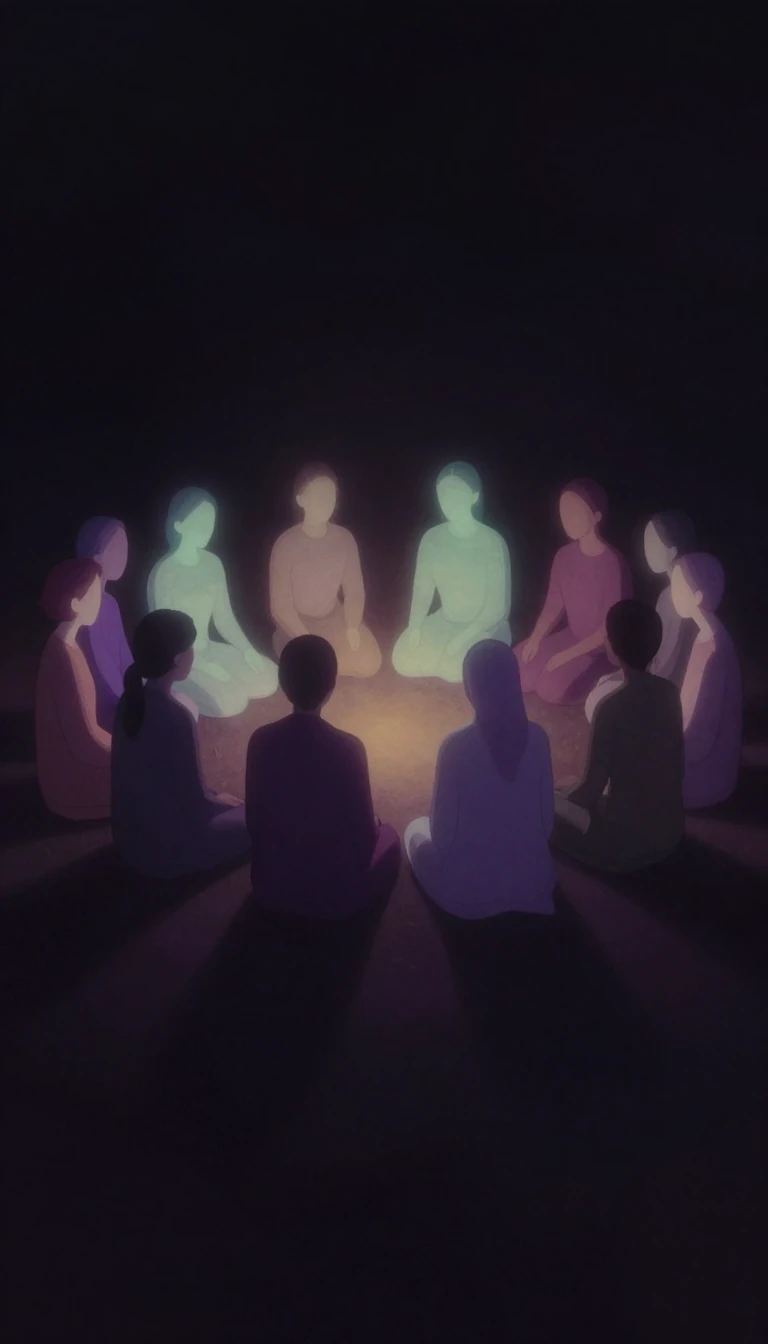
In short: If the human mind were truly a tabula rasa, any environment could be engineered to produce perfect citizens. But cognitive psychologist Steven Pinker argues this belief is a dangerous myth that ignores our evolved psychological traits and opens the door to total social engineering.
In his 2002 book 'The Blank Slate,' Steven Pinker challenges three dominant dogmas of modern intellectual life: empiricism (the mind has no innate traits), romanticism (people are born good and corrupted by society), and dualism (a soul makes choices independent of biology). Pinker argues that human behavior is significantly shaped by evolved psychological traits rather than being purely a product of environmental conditioning.
Pinker warns that the 'blank slate' view carries severe social risks. If we believe minds are entirely formed by their surroundings, it justifies totalitarian social engineering to create 'perfect' minds. Historically, this mindset has been linked to the persecution of successful groups—such as kulaks in the Soviet Union or intellectuals under the Khmer Rouge—under the assumption that success was unfairly gained through environmental exploitation rather than innate ability.
The book also addresses modern policy. Pinker suggests that evolutionary psychology can actually support social welfare by highlighting how low status is psychologically stressful, potentially causing desperate behaviors. He argues that moral progress doesn't require humans to be naturally free of selfish motives, but rather that we possess other motives to counteract them. While critics like Thomas Hylland Eriksen accuse Pinker of using strawman arguments and lacking nuance, the work remains a cornerstone in the debate over nature versus nurture.
Beyond human psychology, the 'blank slate' concept appears in biology. For example, newly emerged honey bees lack specific chemical markers (cuticular hydrocarbons) and are often treated as blank slates by other colonies. While researchers have tested whether older bees 'learn' to accept these unmarked workers, current evidence has yet to provide a definitive empirical rejection of the blank slate hypothesis in this context.
Opens the Intellect+ feed with this card first. Swipe up for the next one.
Sources
- Summary by Intellect · source: The Blank Slate
- Also: Testing learning as alternative to the blank slate hypothesis in the honey bee, Apis mellifera.
- Also: Frontiers in global women's health — Motherhood, the "blank slate," and the language of surrogacy. · CC BY
To cite this card, link to https://intellectplus.co.uk/app/health-the-blank-slate.
How we source, check and correct cards: Editorial standards.
General information, not professional advice. Spotted an error? Flag the card or see corrections and complaints.
Intellect Plus is a visual educational discovery platform for exploring fascinating facts and ideas. Brain Food, Not Brain Rot. What is Intellect Plus?
Related
More in Brain · More in Health · Latest · A–Z · All topics
