The Aérospatiale SA 330 Puma: A Cold War Workhorse That Defined Modern Helicopter Utility
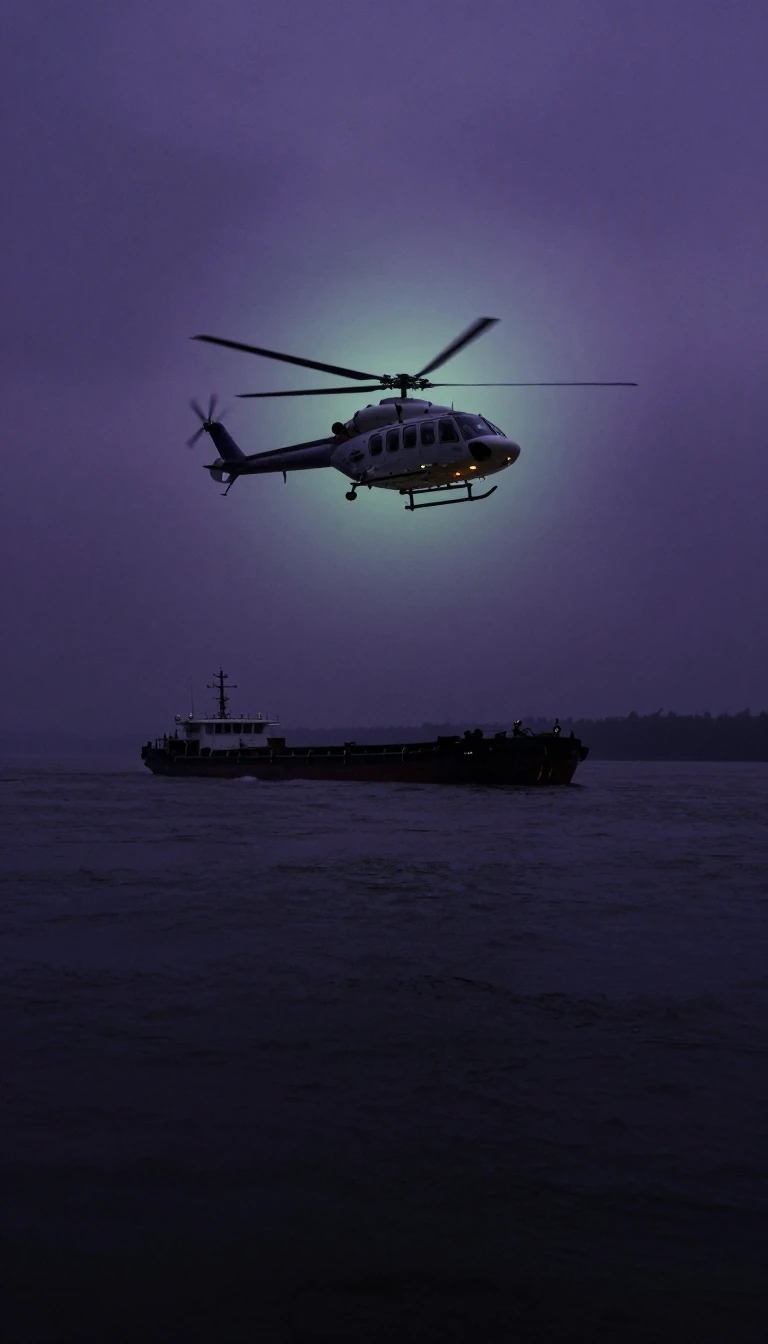
In short: Developed in the 1960s to meet a French Army requirement for an all-weather transport, the Puma became a global success. Known for its rugged reliability from Arctic climates to desert heat, this twin-engined rotorcraft redefined medium-lift capabilities and remains a foundational design for military and civilian operations worldwide.
Conceived in 1963 by Sud Aviation, the SA 330 Puma was engineered to provide a versatile, medium-sized utility platform. Its maiden flight occurred on 15 April 1965, with production models entering service by 1969. The design prioritized operational resilience, featuring a high reserve of power that allowed for continued flight even if one engine failed. To ensure longevity and ease of use, engineers placed frequently inspected components in accessible locations and minimized the use of parts with limited lifespans. The aircraft also introduced sophisticated internal dampening systems within the main gearbox and rotor assembly to reduce mechanical stress.
The Puma’s adaptability made it a favorite for diverse roles, including troop transport, casualty evacuation, and search-and-rescue. It could carry up to 16 soldiers or 2,500 kg of cargo. Its success led to widespread international adoption, including license-produced versions like Romania’s IAR 330 and South Africa’s Atlas Oryx. By the late 1970s, it was the best-selling transport helicopter in Europe. The platform’s versatility was further proven through its deployment in numerous conflicts, from the Portuguese Colonial War to the Gulf War and the Yugoslav Wars, where it performed critical humanitarian and combat missions.
Throughout its service life, the Puma underwent significant modernization. While original production by Aérospatiale ceased in 1987 after 697 units were sold, the design evolved into the AS332 Super Puma and AS532 Cougar. Operators frequently retrofitted older airframes with glass cockpits, GPS navigation, and advanced defensive suites. For instance, the British Royal Air Force upgraded its fleet to the HC Mk2 standard, incorporating more powerful engines and improved flight management systems to extend the type's operational viability well into the 21st century. Even as newer platforms like the NH90 emerge, the Puma’s legacy as a robust, multi-role workhorse remains firmly established in aviation history.
Opens the Intellect+ feed with this card first. Swipe up for the next one.
Sources
- Summary by Intellect · source: Aérospatiale SA 330 Puma
To cite this card, link to https://intellectplus.co.uk/app/history-a-rospatiale-sa-330-puma.
How we source, check and correct cards: Editorial standards.
General information, not professional advice. Spotted an error? Flag the card or see corrections and complaints.
Intellect Plus is a visual educational discovery platform for exploring fascinating facts and ideas. Brain Food, Not Brain Rot. What is Intellect Plus?
Related
More in Ancient · More in History · Latest · A–Z · All topics
