The American steel boom was built on a shift in fuel
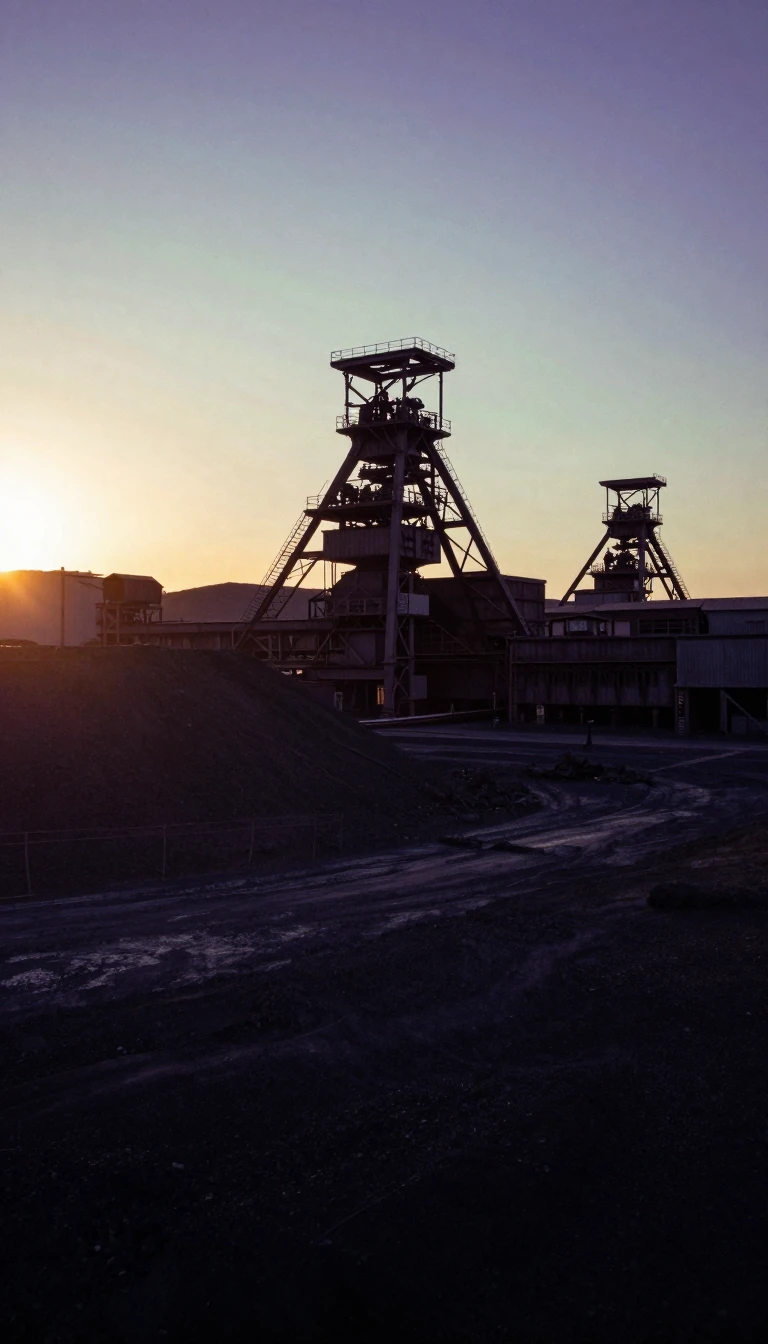
In short: Before the 19th century, iron production relied on charcoal from forests. As demand surged, the industry underwent a radical transformation. By switching to coal and perfecting the Bessemer process, the United States moved from small-scale colonial furnaces to becoming a global industrial titan.
The transition began with a move away from charcoal, which was becoming scarce. By 1827, a furnace in Phoenixville, Pennsylvania, began using anthracite coal, and by 1840, coke from coal started replacing charcoal as the primary fuel. This was a critical technological leap because coke has a higher crushing strength than charcoal, allowing for the construction of much larger smelting furnaces. However, coke introduced impurities like sulfur, which could degrade steel quality. To solve this, the Scranton brothers in Pennsylvania adopted the 'hot blast method' in the 1840s to burn off those impurities.
This shift in fuel fundamentally reshaped American geography. To reduce transit expenses, factories relocated near coal pits since producing one tonne of steel demanded more coal by weight than iron ore. This made Pittsburgh, Pennsylvania, an ideal hub due to its proximity to large coal deposits and navigable rivers. Simultaneously, the industry expanded toward the Great Lakes to access massive iron ore deposits, leading to the rise of integrated steel mills in cities like Chicago, Detroit, and Gary, Indiana.
The 1856 invention of the Bessemer process by Henry Bessemer revolutionized the field, cutting steel production costs by more than 50%. By the mid-20th century, the US reached its peak global importance, producing 72% of the world's steel by 1945. However, the industry has since shifted toward smaller 'mini-mills' that utilize steel scrap rather than iron ore. While the 1970s and 80s saw a dramatic decline in production, research suggests this was largely driven by massive gains in productivity and technological efficiency rather than a simple displacement by foreign imports.
theme-key-value mood-key-value
difficulty-key-value topics-key-value
claims-key-value canvas-key-value
Opens the Intellect+ feed with this card first. Swipe up for the next one.
Sources
- Summary by Intellect · source: History of the iron and steel industry in the United States
To cite this card, link to https://intellectplus.co.uk/app/history-history-of-the-iron-and-steel-industry-in-the-united-states.
How we source, check and correct cards: Editorial standards.
General information, not professional advice. Spotted an error? Flag the card or see corrections and complaints.
Intellect Plus is a visual educational discovery platform for exploring fascinating facts and ideas. Brain Food, Not Brain Rot. What is Intellect Plus?
Related
More in History by country, small region and city · More in History · Latest · A–Z · All topics
