The stadium named for a road, but mistaken for light
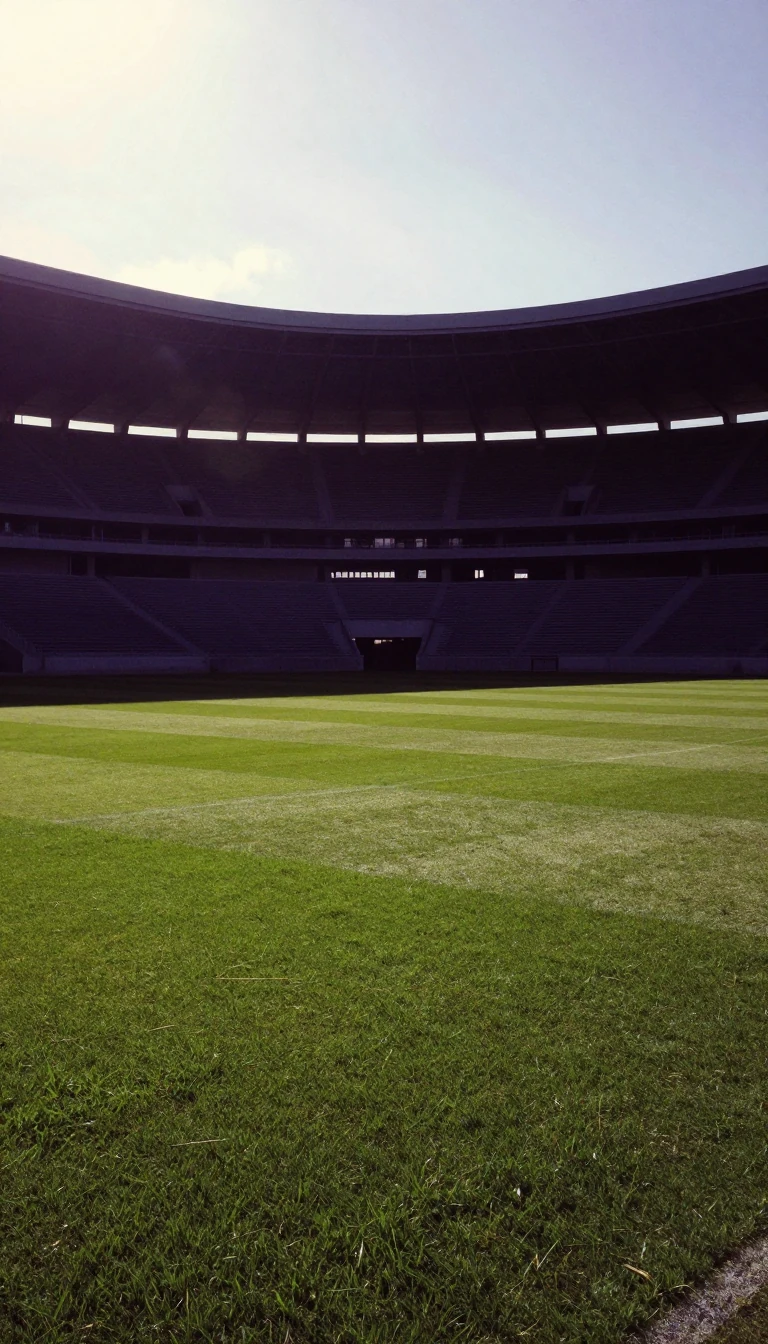
In short: While most fans see the Estádio da Luz as a beacon of Portuguese football, its name is actually a linguistic misunderstanding. It isn't named for illumination, but for an address that locals eventually simplified into a poetic—yet technically incorrect—metaphor.
The stadium sits in a neighborhood called Luz, located on the border of Benfica and Carnide. This area took its name from a local religious landmark: the Church of Our Lady of Light. However, the specific site of the stadium was built on Estrada da Luz, which translates to 'Road of Light.' Because residents frequently referred to the location simply as 'a Luz,' the nickname for the arena stuck, leading many to believe it was named for its radiance rather than its geography.
Architecturally, the name has gained a layer of literal truth through the work of Damon Lavelle and HOK Sport Venue Event. The design emphasizes transparency, featuring a polycarbonate roof supported by four steel arches reaching 43 meters in height. These structures allow sunlight to penetrate the interior, creating a visual effect where the roof appears to float above the three tiers of seating. This intentional play on light serves as a modern architectural nod to the neighborhood's historical namesake.
The current structure opened in October 2003 with a €160 million construction budget, replacing an older venue that once held 120,000 people. While it currently seats 68,100—a figure reached following renovations in July 2025—the design allows for potential expansion to 80,000. It has served as a premier European stage, hosting the UEFA Euro 2004 final and multiple Champions League finals, while remaining a primary candidate for the 2030 FIFA World Cup.
Despite its prestige, the stadium's identity remains rooted in local vernacular. Even though it is officially known as Estádio do Sport Lisboa e Benfica, the public continues to favor the unofficial title. It stands as a prime example of how community shorthand can override official nomenclature, turning a simple street name into a lasting cultural landmark.
Opens the Intellect+ feed with this card first. Swipe up for the next one.
Sources
- Summary by Intellect · source: Estádio da Luz
To cite this card, link to https://intellectplus.co.uk/app/history-est-dio-da-luz.
How we source, check and correct cards: Editorial standards.
General information, not professional advice. Spotted an error? Flag the card or see corrections and complaints.
Intellect Plus is a visual educational discovery platform for exploring fascinating facts and ideas. Brain Food, Not Brain Rot. What is Intellect Plus?
Related
More in Born on this day · More in History · Latest · A–Z · All topics
