How a Provisional Government Became France's Longest-Lasting Regime Since the Ancien Régime
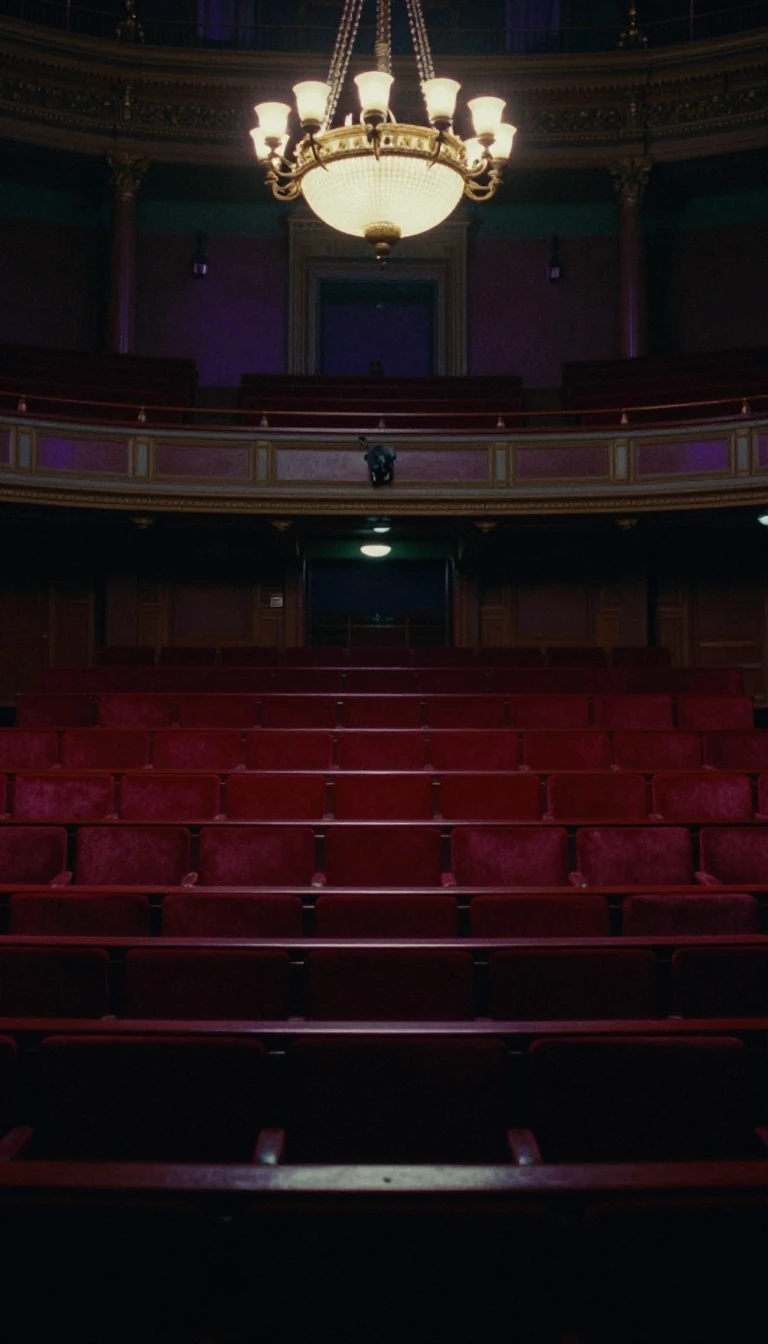
In short: Born from the chaos of the Franco-Prussian War in 1870, the French Third Republic was never intended to be permanent. Yet, despite deep political fractures, colonial expansion, and the infamous Dreyfus affair, this parliamentary system endured for 70 years, reshaping France before its collapse in 1940.
The Third Republic emerged in September 1870 following the collapse of Napoleon III's Second French Empire. Originally conceived as a temporary measure, it became permanent only because monarchist factions could not agree on a candidate for the throne. Adolphe Thiers, a key figure in the early years, famously described the republic as the form of government that divided France the least. This fragile consensus was tested immediately by the Paris Commune in 1871, a radical uprising that was bloodily suppressed by the Versailles government, leaving a lasting scar on the French labor movement.
Constitutional stability arrived with the 1875 laws, creating a president and a two-chamber parliament. However, the system remained volatile. President Patrice de MacMahon’s attempt to assert executive authority in the 1877 crisis—known as le seize Mai—backfired, cementing the supremacy of the legislature. By 1879, the republic was firmly in the hands of Moderate Republicans, who pushed for secular education and civic reform. The era was defined by intense polarization, pitting conservative, Catholic, and monarchist forces against secular, republican, and socialist movements. This divide reached a fever pitch during the Dreyfus affair, a decade-long scandal involving antisemitism and military corruption that ultimately saw the triumph of republican institutions.
Beyond domestic strife, the Third Republic oversaw the creation of a massive colonial empire, second only to the British. By the 1920s, it spanned 13,500,000 square kilometers. Yet, the republic struggled with modernization compared to its neighbors. It lagged behind Germany in developing a comprehensive welfare state, and its political life was marked by frequent cabinet collapses, which some historians view as mere ministerial reshuffles rather than systemic failures. Despite these tensions, the republic’s endurance for seven decades—until the Nazi occupation in 1940—remains a testament to the resilience of its parliamentary structure against persistent attempts at subversion.
Opens the Intellect+ feed with this card first. Swipe up for the next one.
Sources
- Summary by Intellect · source: French Third Republic
To cite this card, link to https://intellectplus.co.uk/app/history-french-third-republic.
How we source, check and correct cards: Editorial standards.
General information, not professional advice. Spotted an error? Flag the card or see corrections and complaints.
Intellect Plus is a visual educational discovery platform for exploring fascinating facts and ideas. Brain Food, Not Brain Rot. What is Intellect Plus?
Related
More in Empires & civilisations · More in History · Latest · A–Z · All topics
