Why Spain’s capital was built on a river that dramatists joked about selling
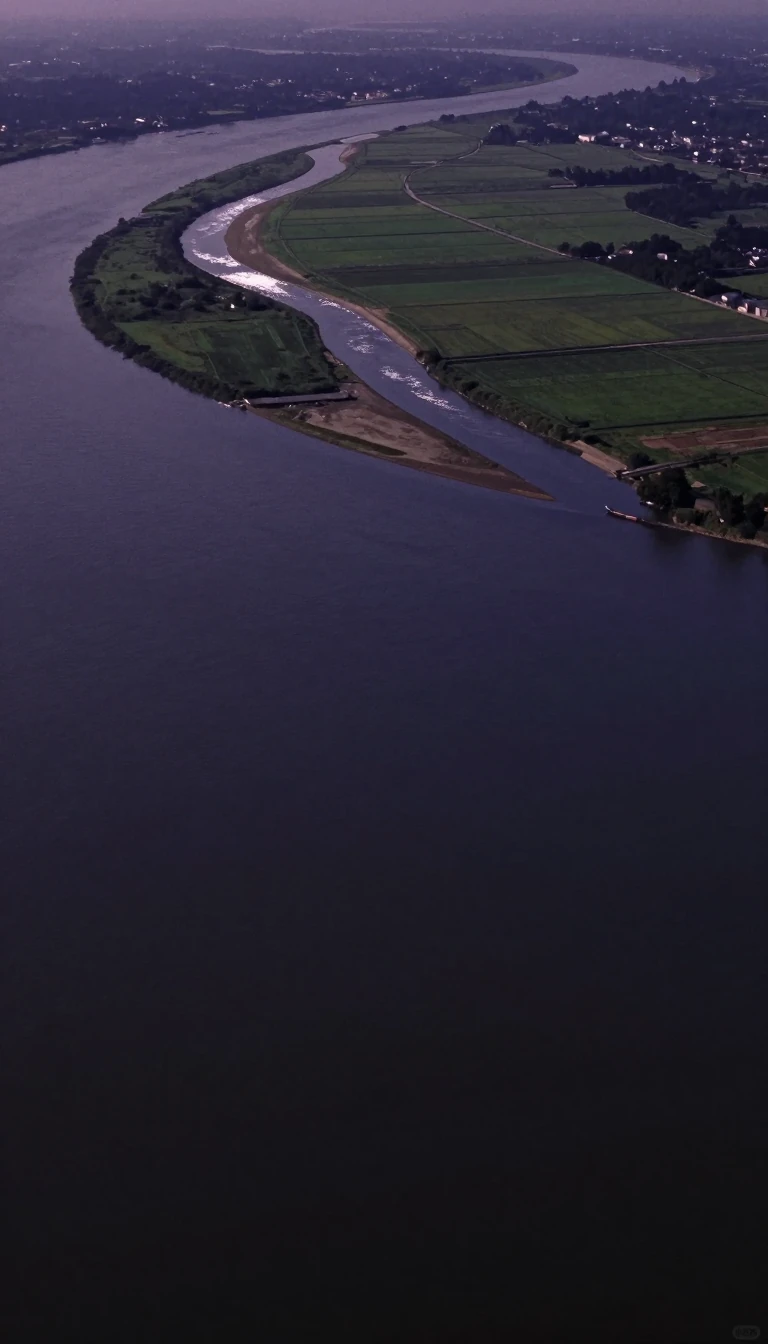
In short: Madrid is an anomaly among world capitals. It lacks natural resources, sits on an undulating plateau, and was chosen for its lack of established power. Even its river, the Manzanares, is so unimposing that 17th-century writers suggested the city should either sell its magnificent bridge or buy a new river.
Madrid’s origins are surprisingly humble for a national capital. It began in the late 9th century as a small Moorish fortress on a rocky outcrop, serving as a military outpost to protect the far more significant city of Toledo, located roughly 43 miles to the south-southwest. For centuries, it remained a secondary settlement, defined by its agricultural economy and a lack of the strategic or economic advantages typically associated with major European seats of power.
The city’s transformation into the capital was a deliberate political maneuver. In 1561, King Philip II moved the royal court to Madrid, choosing it precisely because it lacked ties to any established nonroyal power. This neutrality made it an ideal, blank slate for centralizing authority. However, the city was ill-equipped for its new status. When the king forced residents to house ambassadors and dignitaries, citizens responded by building 'spite houses'—structures designed with facades that hid their true number of floors to avoid the mandate.
Development remained cramped and constrained for centuries. Madrid did not expand across the Manzanares River until 1948, and its final set of city walls, constructed in 1625, stood until 1860. Even when Joseph Bonaparte, Napoleon’s brother, attempted to modernize the city by demolishing convents to create open squares, his efforts were met with resistance. Today, the city reflects these layers of history, from the maze-like streets of its old center to the sprawling, modern districts like Valdecarros, which began construction in 2007 to house 150,000 residents.
Despite its lack of natural wealth, Madrid has grown into a massive metropolis, with an estimated population of over 3.2 million by 2018. It remains a city of stark contrasts, where the 'barrios altos' and 'barrios bajos' still echo historical social distinctions. While it lacks the river-centric geography of its peers, it compensates with extensive parkland, offering more open space than Paris, and a unique identity forged from its history as a fortress, a royal project, and a modern financial center.
Opens the Intellect+ feed with this card first. Swipe up for the next one.
Sources
- Summary by Intellect · source: Madrid | History, Population, Climate, Pronunciation, & Facts | Britannica
- Also: History of Madrid
To cite this card, link to https://intellectplus.co.uk/app/history-history-of-madrid.
How we source, check and correct cards: Editorial standards.
General information, not professional advice. Spotted an error? Flag the card or see corrections and complaints.
Intellect Plus is a visual educational discovery platform for exploring fascinating facts and ideas. Brain Food, Not Brain Rot. What is Intellect Plus?
Related
More in History by country, small region and city · More in History · Latest · A–Z · All topics
