How a tiny Pacific nation of eight islands became a sovereign global player
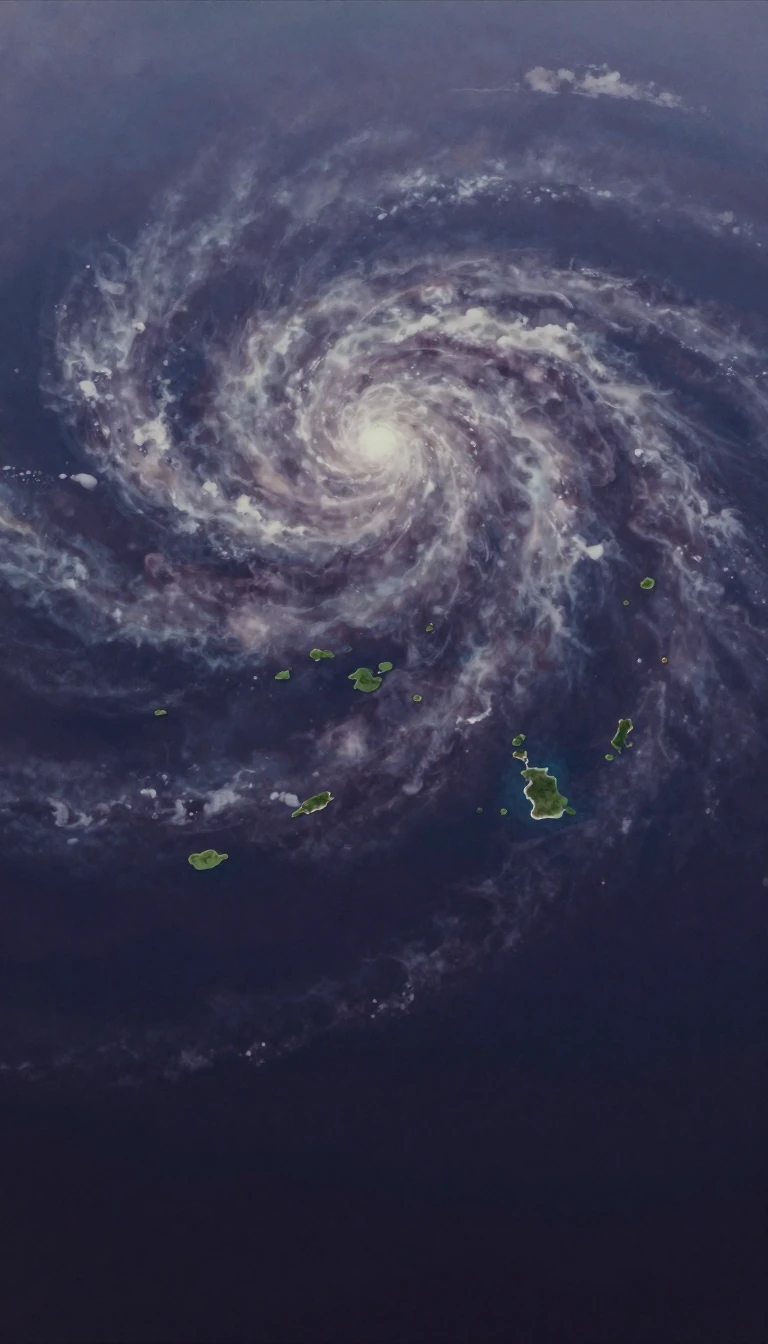
In short: Tuvalu, meaning eight standing together, is a Polynesian nation with a history of ancient navigation, colonial influence, and scientific discovery. From its origins in Southeast Asian migration to its 2000 entry into the United Nations, this island group has navigated centuries of external interest and profound cultural transformation.
The origins of Tuvaluans are rooted in the massive human expansion from Taiwan through Melanesia into Polynesia, beginning approximately 3,000 years ago. These early settlers relied on sophisticated double-hulled and outrigger canoes to navigate the Pacific. The name Tuvalu reflects this heritage, signifying eight islands standing together, though oral traditions suggest diverse ancestral roots, with some islands tracing their lineage to Samoa or Tonga. By the 10th and 11th centuries, these atolls were influenced by the Samoa-based Tu'i Manu'a Confederacy, and later, the powerful Tu'i Tonga Empire.
European contact began in 1568 when Spanish explorer Álvaro de Mendaña de Neira sighted Nui. Over the following centuries, the islands were charted by various captains, including John Byron in 1765 and Arent Schuyler de Peyster in 1819, who named the group after English politician Edward Ellice. The 19th century brought significant disruption, including the 1860s blackbirding trade, which saw hundreds of islanders forcibly taken to Peru for labor. By 1892, the islands were declared a British protectorate, eventually becoming part of the Gilbert and Ellice Islands Colony in 1916.
The islands also became a focal point for scientific inquiry. In the late 1890s, expeditions led by Edgeworth David sought to test Charles Darwin’s theory of coral reef subsidence. By drilling over 1,100 feet into the Funafuti atoll, researchers provided critical evidence supporting Darwin’s hypothesis. Beyond science, the islands underwent a shift in trade, moving from resident foreign merchants to local cooperative stores, a model pioneered by Donald Gilbert Kennedy in 1926. Today, Tuvalu stands as an independent nation, having achieved full sovereignty within the Commonwealth in 1978 and joining the United Nations in 2000.
Opens the Intellect+ feed with this card first. Swipe up for the next one.
Sources
- Summary by Intellect · source: History of Tuvalu
To cite this card, link to https://intellectplus.co.uk/app/history-history-of-tuvalu.
How we source, check and correct cards: Editorial standards.
General information, not professional advice. Spotted an error? Flag the card or see corrections and complaints.
Intellect Plus is a visual educational discovery platform for exploring fascinating facts and ideas. Brain Food, Not Brain Rot. What is Intellect Plus?
Related
More in History by country, small region and city · More in History · Latest · A–Z · All topics
