How a Mughal Province Became the Cultural Heart of Northern India
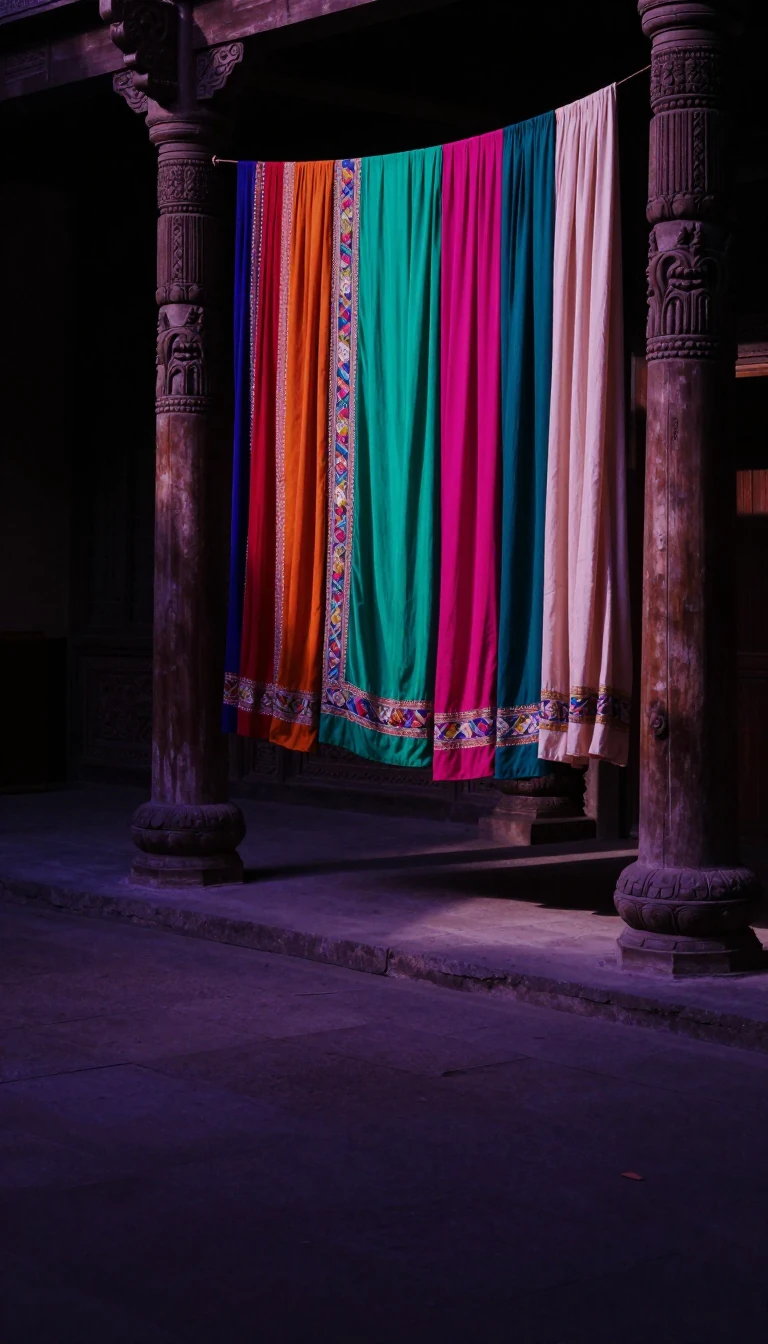
In short: Awadh, a fertile region in northern India, evolved from a strategic Mughal province into a center of refined art and architecture. Under the Nawabs, it cultivated a unique syncretic identity before becoming a flashpoint for the 1857 rebellion against British rule. Its history remains etched in its grand monuments.
The historical region of Awadh, situated in the Indo-Gangetic Plain, derives its name from Ayodhya, the ancient capital of the kingdom of Kosala. While its political boundaries shifted significantly from prehistoric times through the Mughal era, it emerged as a distinct administrative unit under the emperor Akbar in the late 16th century. By 1590, it was one of the twelve or fifteen subahs—or provinces—that comprised the Mughal Empire, encompassing five sarkars including Lucknow and Gorakhpur.
The region’s transformation into a cultural powerhouse began in the 18th century. As the central Mughal authority in Delhi declined, the Nawabs of Awadh—originally provincial governors—asserted practical independence. Saadat Khan, appointed in 1722, established a court that became a beacon for artistic and literary patronage. The third Nawab shifted the capital to Lucknow, which flourished as a hub of music, dance, and architecture. This era birthed the Ganga-Jamuni Tehzeeb, a lasting syncretic culture that defined the region's social fabric.
Architectural remnants of this golden age still dominate the landscape. The Great Imāmbāṛā, constructed in 1784, serves as a testament to the period's religious and artistic devotion, while the Rumi Darwaza, modeled after Istanbul's Sublime Porte, highlights the cosmopolitan influences of the time. However, this prosperity faced colonial encroachment. The British stationed diplomatic residents in Lucknow starting in 1773, eventually annexing the territory in 1856. This move deeply angered the populace and served as a major catalyst for the Indian Rebellion of 1857, a pivotal uprising that fundamentally altered the course of Indian history.
Opens the Intellect+ feed with this card first. Swipe up for the next one.
Sources
- Summary by Intellect · source: Awadh | Mughal Empire, Nawabs, Lucknow | Britannica
- Also: Awadh
To cite this card, link to https://intellectplus.co.uk/app/places-awadh.
How we source, check and correct cards: Editorial standards.
General information, not professional advice. Spotted an error? Flag the card or see corrections and complaints.
Intellect Plus is a visual educational discovery platform for exploring fascinating facts and ideas. Brain Food, Not Brain Rot. What is Intellect Plus?
Related
More in Cities · More in Countries & Cities · Latest · A–Z · All topics
