The secret power hidden behind a Japanese gentlemen's agreement
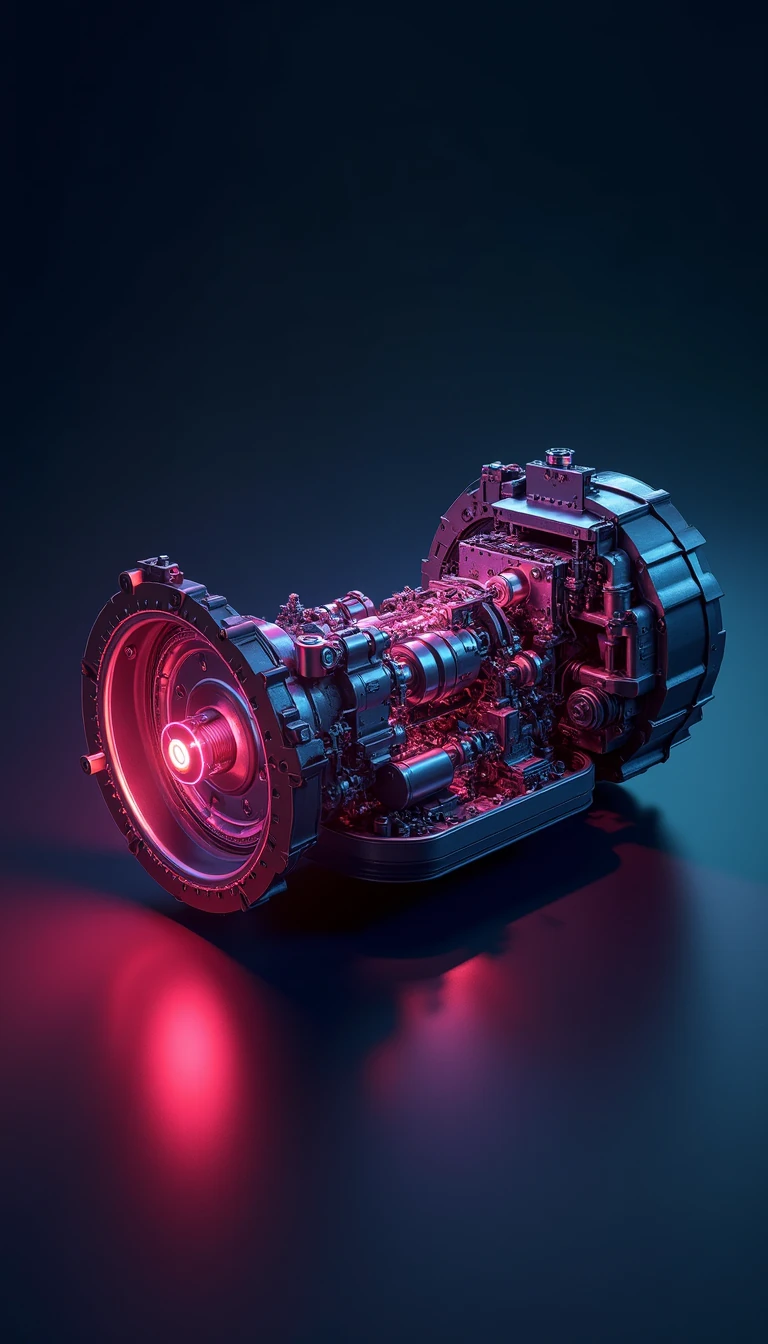
In short: For years, the Mitsubishi Lancer Evolution was bound by a silent rule: it could not officially exceed 280 PS. Yet, beneath the hood of these rally icons, engineers were already pushing limits, creating machines that defied their own advertised specifications to dominate the dirt and the asphalt.
From 1992 until 2005, Japanese car manufacturers adhered to a 'gentlemen's agreement' to limit advertised power outputs to 280 PS (276 hp). While this was the official figure for domestic models like the Evolution IX, internal sources suggest Mitsubishi frequently produced cars with significantly higher output. To comply with the agreement, they simply underrated the official figures. By the time of the Evolution IX, these cars were allegedly reaching around 320 PS (316 hp), while special versions in markets like the UK boasted official outputs as high as 446 PS (440 hp).
The evolution of the Lancer was a masterclass in balancing weight and technology. The first generation utilized a 2.0L turbocharged engine from the Galant VR-4, offering two distinct trims: the GSR for street use and the stripped-down RS for racing. The RS version was designed to be roughly 70 kg (154 lb) lighter than the GSR by omitting luxuries like power windows and anti-lock brakes. This philosophy continued as the series progressed, with later models introducing sophisticated systems like Active Yaw Control (AYC), which used sensors to computer-hydraulically manage torque split between the rear wheels.
Mitsubishi's engineering also navigated complex regulatory landscapes. The Evolution IV was the final model to qualify as 'compact' under Japanese regulations; by the Evolution V, the car had grown 70 mm (2.8 in) wider than the 1,700 mm limit. Furthermore, some models were homologated for Proton in Malaysia, where they were rebadged as the Proton Wira 4WD Turbo or Proton PERT. This lineage of performance eventually culminated in the Evolution X, which remained in production until Mitsubishi officially retired the nameplate in April 2016.
The technical progression was relentless. The Evolution VI introduced a titanium-aluminide turbine wheel for the RS model—a first for any production car—while the Evolution V and VI were sold under the 'Carisma GT' name in parts of Europe to boost sales of an unrelated sedan. These nuances show how the Lancer Evolution wasn't just a car; it was a complex intersection of racing homologation, regional marketing, and engineering defiance.
Opens the Intellect+ feed with this card first. Swipe up for the next one.
Sources
- Summary by Intellect · source: Mitsubishi Lancer Evolution
To cite this card, link to https://intellectplus.co.uk/app/history-mitsubishi-lancer-evolution.
How we source, check and correct cards: Editorial standards.
General information, not professional advice. Spotted an error? Flag the card or see corrections and complaints.
Intellect Plus is a visual educational discovery platform for exploring fascinating facts and ideas. Brain Food, Not Brain Rot. What is Intellect Plus?
Related
More in Born on this day · More in History · Latest · A–Z · All topics
