How a strategic river crossing evolved into a resilient cultural hub in eastern Croatia.
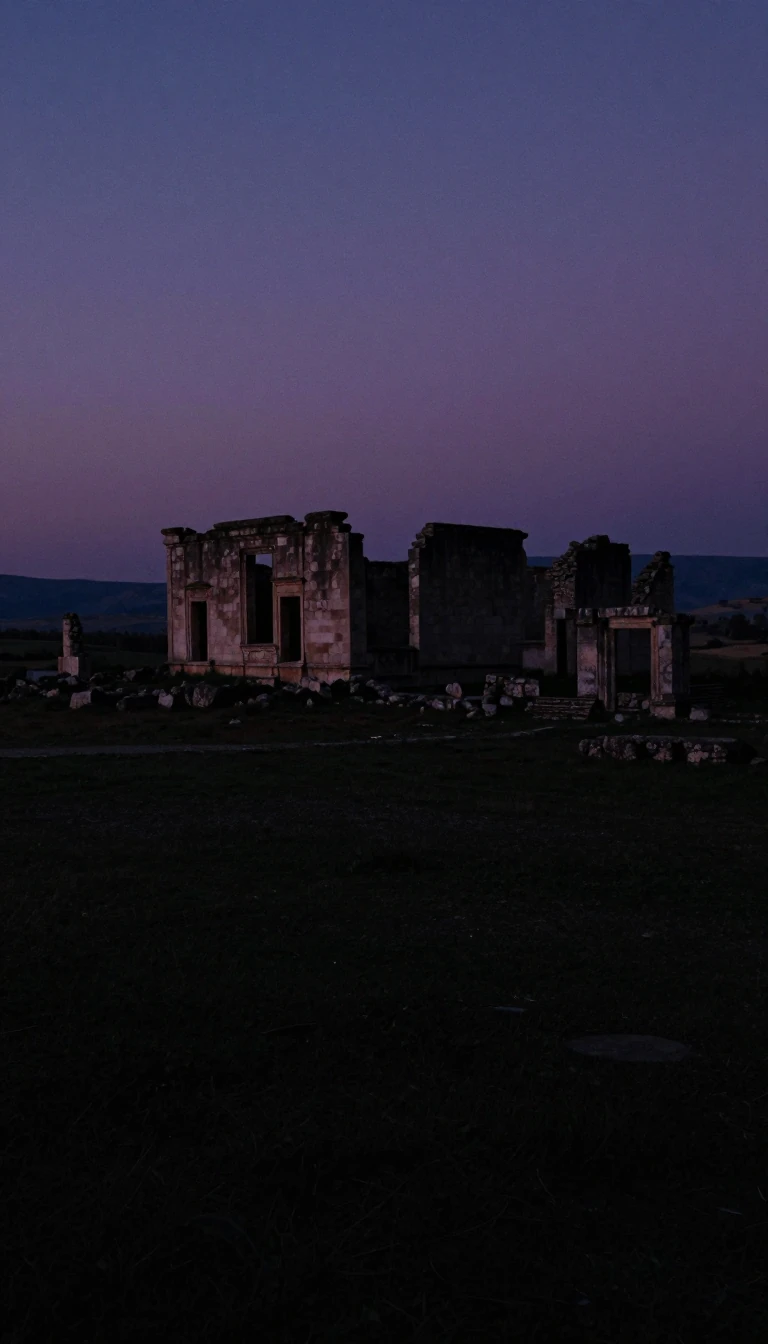
In short: Osijek has survived Roman legions, Ottoman occupation, and modern warfare to remain the heart of Slavonia. Its name, derived from the Croatian word for ebb tide, reflects its ancient defense against swamp floods. Today, this city blends Baroque architecture with a vibrant, modern identity shaped by centuries of diverse cultural influences.
The history of Osijek is a layered narrative of strategic importance. Originally the Roman settlement of Mursa, it served as a vital military outpost in Pannonia, later elevated to a colony by Emperor Hadrian in 133 AD. Following the collapse of the Western Roman Empire and the subsequent arrival of Slavic tribes, the site re-emerged in records by 1196. Its location on the Drava River made it a natural crossroads, leading to its development as a significant trading center connecting the Pannonian plains with the Balkans.
The city's character was profoundly altered by the Ottoman Empire, which captured the area in 1526. In 1566, Suleiman the Magnificent commissioned a massive eight-kilometre-long wooden pontoon bridge, a feat of engineering that became world-renowned. After Habsburg forces reclaimed the city in 1687, they transformed it into a fortress town, constructing the Tvrđa citadel between 1712 and 1715. This Baroque core, designed by Maximilian Gosseau de Henef, remains a defining feature of the city's urban landscape, standing alongside the later expansions of the Upper and Lower Towns.
The 20th century brought both modernization and tragedy. While Osijek grew into an industrial and educational powerhouse—founding its university in 1975—it also suffered immense destruction during the Croatian War of Independence in the 1990s. The conflict claimed over 1,700 lives and left deep scars on the city's infrastructure. Since then, Osijek has undergone extensive reconstruction, successfully restoring its historic landmarks and revitalizing its cultural institutions, such as the Museum of Slavonia and the Croatian National Theatre, to reclaim its status as a regional center.
Today, Osijek serves as a testament to resilience and adaptation. Its demographic landscape has shifted significantly over the centuries, from the German-speaking populations of the Habsburg era to the diverse ethnic makeup recorded in modern censuses. By balancing its rich heritage—ranging from Roman ruins to Ottoman-era influences—with contemporary developments like the Opus Arena, the city continues to thrive as an economic and cultural anchor for eastern Croatia.
Opens the Intellect+ feed with this card first. Swipe up for the next one.
Sources
- Summary by Intellect · source: Osijek
To cite this card, link to https://intellectplus.co.uk/app/history-osijek.
How we source, check and correct cards: Editorial standards.
General information, not professional advice. Spotted an error? Flag the card or see corrections and complaints.
Intellect Plus is a visual educational discovery platform for exploring fascinating facts and ideas. Brain Food, Not Brain Rot. What is Intellect Plus?
Related
More in Post-classical · More in History · Latest · A–Z · All topics
