How a Croatian coastal town became the world's first city with electric street lights
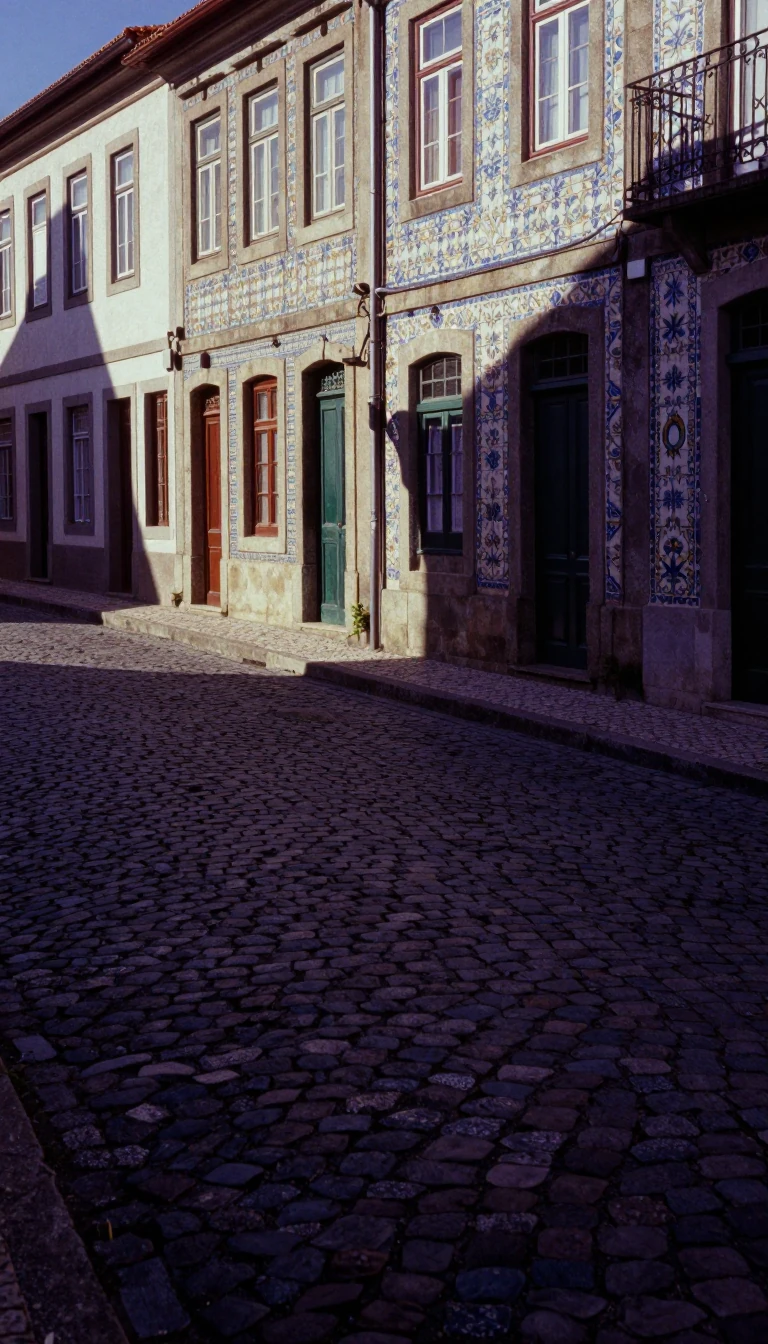
In short: Founded by Slavs rather than Greeks or Romans, Šibenik is a historic Adriatic stronghold defined by its stone architecture and defensive ingenuity. Beyond its UNESCO-listed cathedral, the city holds a unique place in industrial history: in 1895, it became the first city globally to illuminate its streets with alternating current.
Unlike many Dalmatian cities established by ancient Mediterranean civilizations, Šibenik was founded by Slavs, with its first historical mention appearing in a 1066 charter by King Petar Krešimir IV. Perched on a hill 70 meters above the sea, the settlement grew around the medieval St. Michael's Fortress. For centuries, its strategic location at the mouth of the Krka River made it a contested prize, shifting between the Republic of Venice, the Byzantine Empire, and the Kingdom of Hungary until the late 12th century.
The city's architectural crown jewel is the Cathedral of St. James, a 15th-century masterpiece constructed entirely of stone without mortar or wood. Designed by masters like Juraj Dalmatinac and Nikola Firentinac, the cathedral features a famous frieze of 71 sculpted human heads. This structural marvel, now a UNESCO World Heritage Site, reflects the complex artistic exchanges of the Renaissance. The city’s defensive character is equally impressive; it developed an extensive network of four fortresses—St. Michael, St. Nicholas, St. John, and Barone—to repel Ottoman expansion and maritime threats.
Modernization arrived in the late 19th century under the leadership of mayor Ante Šupuk. In 1895, Šibenik harnessed the power of the Krka River through the Jaruga Hydroelectric Power Plant, enabling the city to pioneer alternating current street lighting. This era of prosperity, often called the 'Šupuk era,' marked a transition from a medieval fortress town to an industrial innovator. Despite enduring significant damage during the 1991–1995 Croatian War of Independence, the city has since restored its historic monuments, maintaining its status as a cultural center and a living testament to centuries of Adriatic history.
Opens the Intellect+ feed with this card first. Swipe up for the next one.
Sources
- Summary by Intellect · source: Šibenik
- Also: Wikidata — Šibenik · CC0
- Also: Wikidata — Croatian missile boat Šibenik · CC0
To cite this card, link to https://intellectplus.co.uk/app/places-ibenik.
How we source, check and correct cards: Editorial standards.
General information, not professional advice. Spotted an error? Flag the card or see corrections and complaints.
Intellect Plus is a visual educational discovery platform for exploring fascinating facts and ideas. Brain Food, Not Brain Rot. What is Intellect Plus?
Related
More in World Heritage Sites · More in Countries & Cities · Latest · A–Z · All topics
