From the Stadium of the Sun to a monument for Diego Maradona
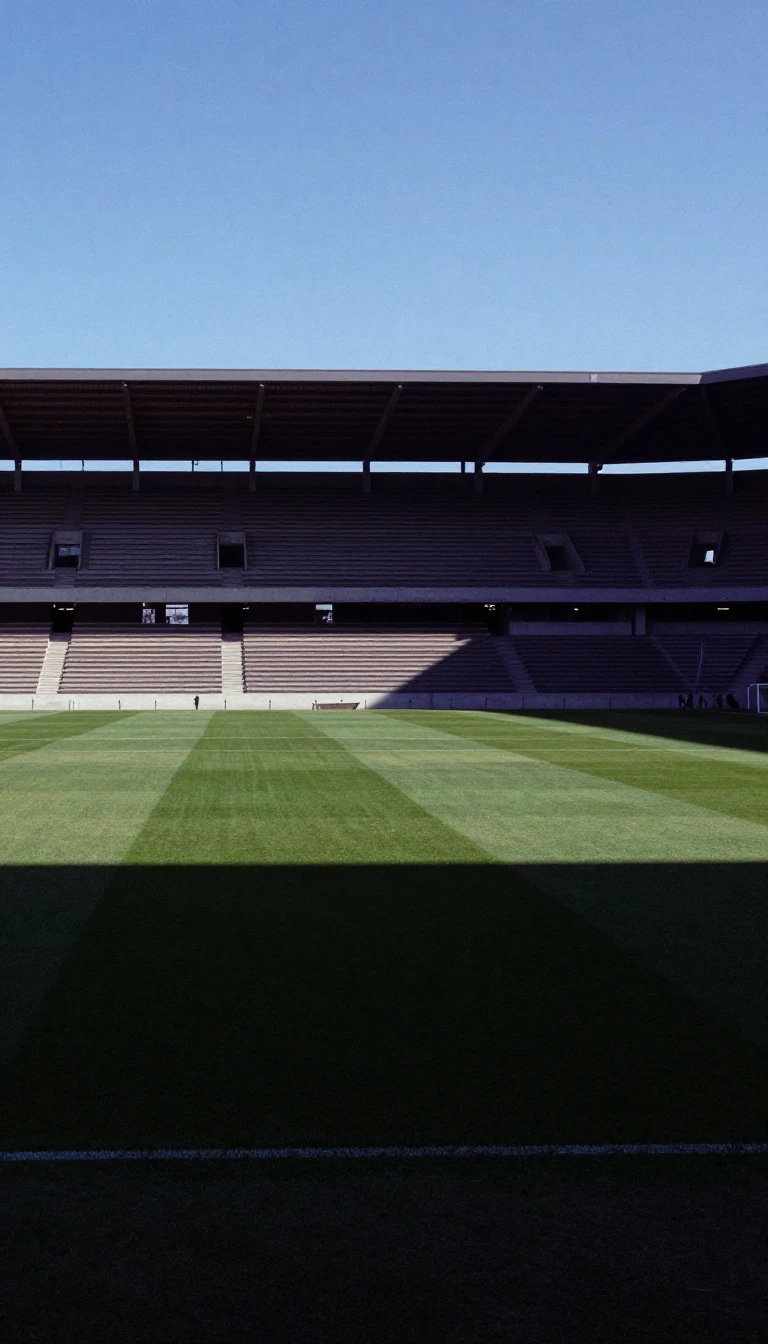
In short: Built to replace a venue destroyed in WWII, Naples' most famous stadium has weathered decades of decay and political tension. Once a massive concrete bowl for 90,000 standing fans, it has transformed through World Cups and renovations into a modern icon of Italian football.
The stadium's history began in the wake of tragedy. Following the 1942 destruction of the Stadio Partenopeo during the bombing of Naples, the city required a new home for Napoli. Construction on the new site in Fuorigrotta began on 27 April 1952. After seven years of work, it opened on 6 December 1959 as the Stadio del Sole, or "Stadium of the Sun," with Napoli defeating Juventus 2–1. The project's first cornerstone was laid during the administration of Prime Minister Alcide De Gasperi. This new venue was selected to serve the rapidly growing suburb of Fuorigrotta.
The venue has undergone several radical transformations. In 1990, for the FIFA World Cup, it was converted to an all-seater stadium with a distinctive roof supported by twenty-eight L-shaped steel pylons and translucent polycarbonate panels. This era also saw a capacity reduction to approximately 76,000. However, years of political and funding issues led to significant decay, including peeling concrete and leaking roofs, contributing to the club's financial crisis and eventual bankruptcy in 2004. The stadium's first major upgrades occurred during the 1980 UEFA European Football Championships. These improvements introduced modern features like a new floodlight system and an electronic scoreboard.
The stadium's identity is inextricably linked to Diego Maradona. After the superstar helped Napoli secure two Serie A titles and scored during the 1990 World Cup semi-final, he became a local icon. Following his death, the stadium was officially renamed the Stadio Diego Armando Maradona on 4 December 2020. Looking forward, a €200 million redevelopment has been approved to increase capacity from 54,726 to 70,000 for UEFA Euro 2032. The venue has also hosted significant cultural events, including performances by U2 and Coldplay. Additionally, it served as a host for the 1960 Summer Olympics football preliminaries.
Opens the Intellect+ feed with this card first. Swipe up for the next one.
Sources
- Summary by Intellect · source: Stadio Diego Armando Maradona
To cite this card, link to https://intellectplus.co.uk/app/history-stadio-diego-armando-maradona.
How we source, check and correct cards: Editorial standards.
General information, not professional advice. Spotted an error? Flag the card or see corrections and complaints.
Intellect Plus is a visual educational discovery platform for exploring fascinating facts and ideas. Brain Food, Not Brain Rot. What is Intellect Plus?
Related
More in Born on this day · More in History · Latest · A–Z · All topics
