The stadium built for a dictator that survived the fall of an empire
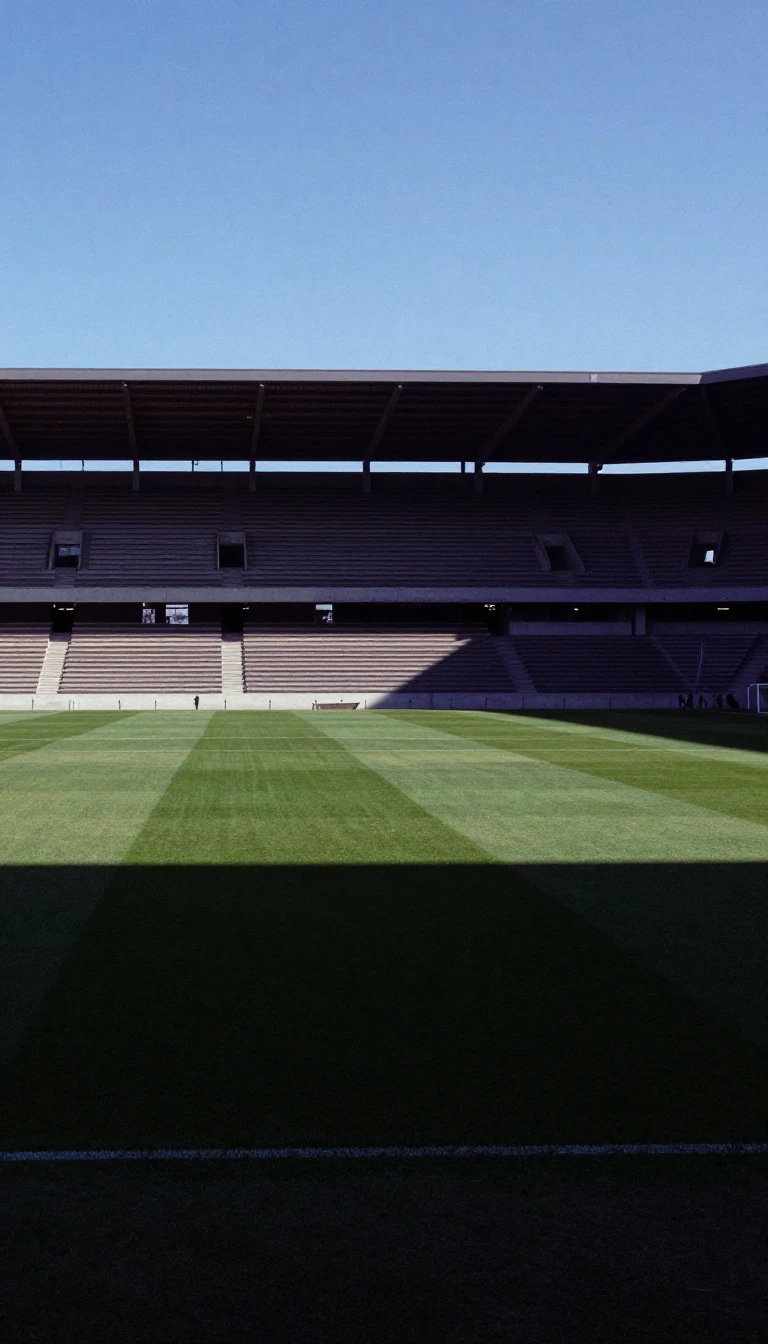
In short: Originally commissioned to showcase fascist glory, Turin's Stadio Olimpico Grande Torino has undergone a radical transformation. From its 1933 inauguration as a monument to Mussolini to its rebirth for the 2006 Winter Olympics, this arena has seen the rise and fall of footballing giants.
Construction of the stadium began in September 1932, designed to host the 1933 Littoriali Games and the World Student Games. Originally named the Stadio Municipale Benito Mussolini, the project was a massive undertaking divided among several companies to accelerate completion. The structure featured a distinctive ellipsoid ring, white granite bases, and 45-degree sloped stands. Interestingly, the athletics track underwent a significant redesign; after protests from Olympic athlete Massimo Cartasegna, the curves were changed from three centers to a single center, resulting in an unusual track length of 446.38 meters.
The stadium's history is marked by a cycle of abandonment and return. After serving as the home for both Juventus and Torino until the 1990s, the venue was left unused in favor of the more modern Stadio delle Alabilities. However, the 2006 Winter Olympics necessitated a massive 30 million euro renovation. This project, inspired by the restoration of Barcelona's Estadi Olímpic Lluís Companys, modernized the facility with a translucent roof to protect the turf and upgraded safety features to comply with the Pisanu Law, including over 80 surveillance cameras.
Today, the stadium stands as a UEFA Category 4 venue and the permanent home of Torino Football Club. While it once held up to 65,000 standing spectators, modern safety standards have brought the capacity to approximately 28,140. The arena has also transitioned from a political monument to a cultural landmark, hosting legendary performances by artists such as Madonna, Michael Jackson, and U2, proving that even a structure born from a specific political era can find a new, enduring purpose.
Opens the Intellect+ feed with this card first. Swipe up for the next one.
Sources
- Summary by Intellect · source: Stadio Olimpico Grande Torino
To cite this card, link to https://intellectplus.co.uk/app/history-stadio-olimpico-grande-torino.
How we source, check and correct cards: Editorial standards.
General information, not professional advice. Spotted an error? Flag the card or see corrections and complaints.
Intellect Plus is a visual educational discovery platform for exploring fascinating facts and ideas. Brain Food, Not Brain Rot. What is Intellect Plus?
Related
More in Born on this day · More in History · Latest · A–Z · All topics
