The world's most remote place, deliberately built
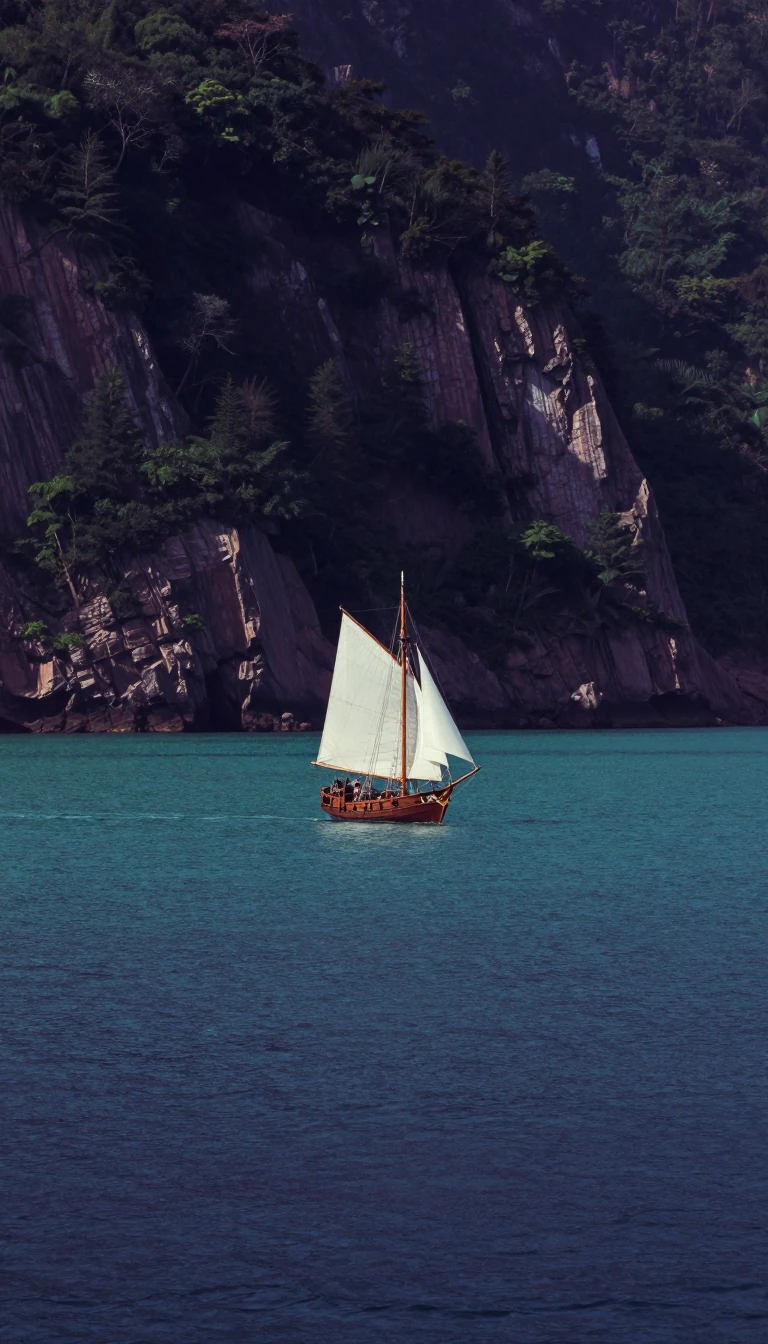
In short: Tristan da Cunha, a volcanic speck in the middle of the South Atlantic, has only 222 inhabitants today. Yet Britain deliberately established it as a colony to prevent Napoleon's rescue, and even after shipwrecks took 15 men in a single night, the isolated survivors refused evacuation offers—they chose isolation over leaving.
Portuguese explorer Tristão da Cunha first recorded the island group in 1506, though rough seas prevented landing. The first undisputed landing came over a century later: on February 7, 1643, the Dutch East India Company ship Heemstede under Captain Claes Gerritsz Bierenbroodspot made the first actual shore contact. The Dutch returned four times over the next quarter-century and created the first rough maps. French explorers conducted the first full survey in 1767 aboard the corvette L'Heure du Berger, publishing their findings through the Royal Navy in 1781. For over a century, the islands remained uninhabited except for occasional visitors: William Bolts raised the Holy Roman Empire flag in 1777, hopeful of establishing a settlement that never materialized.
Settlement came through determined individuals rather than official planning. Jonathan Lambert of Salem, Massachusetts arrived in December 1810 with companions and claimed the islands as his property, renaming them the Islands of Refreshment. By 1812, three had died; Thomas Currie from Italy remained as a farmer. In 1816, Britain annexed the archipelago specifically to prevent it becoming a base for Napoleon's rescue from nearby Saint Helena, and to block American naval operations during the War of 1812. When the garrison departed in November 1817, William Glass and other soldiers stayed, forming the permanent population's nucleus. By 1824, the community had grown to 22 men and 3 women, including the stranded artist Augustus Earle who tutored local children and painted until rescued eight months later.
Isolation defined the experience. The opening of the Suez Canal in 1869 and transition to steamships ended Tristan's value as a sailing route stopover, intensifying isolation. On November 27, 1885, the iron barque West Riding approached the island: nearly every able-bodied man launched a lifeboat seeking rare trading opportunities despite rough seas. The lifeboat disappeared; fifteen men were lost. The island became a place of widows. Two years later, the Italian brig Italia caught fire with a coal cargo and beached there; two crew members stayed to settle and establish families. By 1856, the population had grown to 97. In 1907, the British government offered evacuation following years of hardship and an especially difficult 1906 winter. The Tristanians convened, deliberated, and refused—they chose permanence over rescue, choosing isolation over the uncertainty of relocation.
Opens the Intellect+ feed with this card first. Swipe up for the next one.
Sources
- Summary by Intellect · source: Tristan da Cunha
To cite this card, link to https://intellectplus.co.uk/app/history-tristan-da-cunha.
How we source, check and correct cards: Editorial standards.
General information, not professional advice. Spotted an error? Flag the card or see corrections and complaints.
Intellect Plus is a visual educational discovery platform for exploring fascinating facts and ideas. Brain Food, Not Brain Rot. What is Intellect Plus?
Related
More in Early modern · More in History · Latest · A–Z · All topics
