A volcanic archipelago in the South Atlantic that once declared itself an independent principality
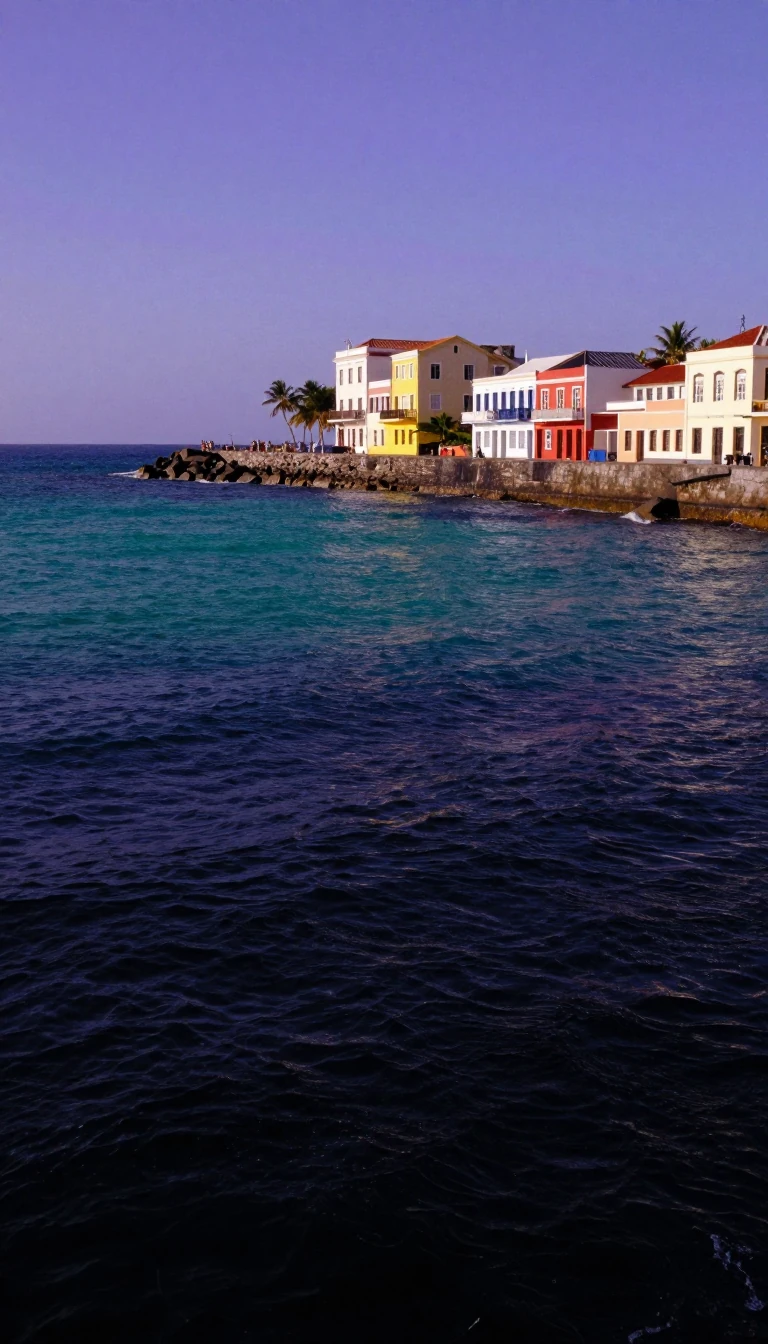
In short: Located 1,100 kilometres off the Brazilian coast, the Trindade and Martim Vaz archipelago is a rugged, volcanic outpost. Once a strategic prize for empires and treasure hunters, it has hosted everything from a self-proclaimed prince to a secret German naval base, all while suffering ecological collapse from invasive species.
The Trindade and Martim Vaz archipelago, a volcanic chain belonging to the Brazilian state of Espírito Santo, comprises five islands and various rocky stacks. Trindade, the largest island, reaches 620 metres at its highest point, Pico Desejado. These islands were discovered by Portuguese explorer Estêvão da Gama in 1502 and remained under Portuguese control until Brazil gained independence in 1822. Their isolation in the South Atlantic has made them a recurring point of international interest, leading to brief British occupations in the late 18th and 19th centuries.
The islands have a history of eccentric claims and strategic maneuvering. In 1893, James Harden-Hickey declared himself Prince of Trinidad, designing flags and issuing government bonds for a planned military dictatorship that the world largely ignored. Decades later, during World War I, the Imperial German Navy utilized the waters around Trindade as a supply base, resulting in the 1914 Battle of Trindade between the HMS Carmania and the SMS Cap Trafalgar. Today, the archipelago serves as a vital research site and a nesting ground for green sea turtles and seabirds.
Ecologically, the islands have faced severe degradation. Until the mid-19th century, Trindade was largely covered by a forest of Colubrina glandulosa trees. The introduction of non-native animals like goats and sheep, combined with indiscriminate logging, led to the total loss of this forest and significant soil erosion. This environmental damage depleted natural springs and endangered indigenous species. Recent scientific interest has shifted toward the island's unique geology and biology, including the 2023 discovery of plastistone—rocks formed from plastic debris—marking a new, anthropogenic chapter in the archipelago's long and turbulent history.
Opens the Intellect+ feed with this card first. Swipe up for the next one.
Sources
- Summary by Intellect · source: Trindade and Martim Vaz
- Also: Wikidata — Trindade and Martim Vaz · CC0
To cite this card, link to https://intellectplus.co.uk/app/places-trindade-and-martim-vaz.
How we source, check and correct cards: Editorial standards.
General information, not professional advice. Spotted an error? Flag the card or see corrections and complaints.
Intellect Plus is a visual educational discovery platform for exploring fascinating facts and ideas. Brain Food, Not Brain Rot. What is Intellect Plus?
Related
More in Islands · More in Countries & Cities · Latest · A–Z · All topics
