The Vindhya Range is not a single mountain, but a shifting geographical myth
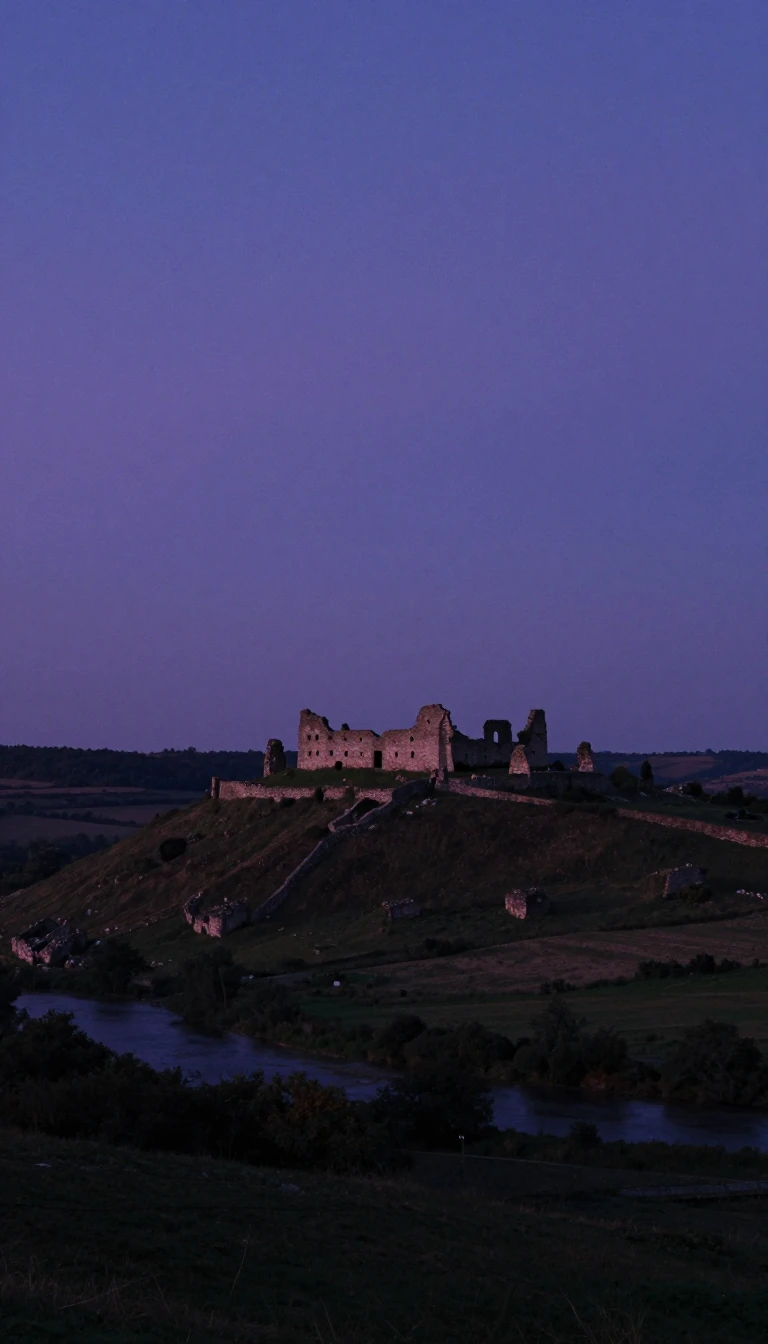
In short: The Vindhyas are not a geological mountain range in the conventional sense, but a complex, discontinuous collection of ridges and plateaus. Historically, the term was a fluid label for various central Indian highlands, often serving more as a symbolic cultural boundary between northern and southern India than a fixed physical barrier.
Geologically, the Vindhyas lack the structure of an anticlinal or synclinal ridge. Instead, they comprise a series of escarpments and hills stretching across west-central India. Because the term has been defined by convention rather than strict geology, its historical scope has fluctuated wildly. Ancient texts once used the name to encompass a vast region between the Ganges and Godavari rivers, sometimes even including the Satpura Range. Today, the definition is more restricted, primarily covering the highlands north of the Narmada River.
The range holds immense weight in Indian mythology and history. Early Vedic texts identified the Vindhyas as the southern limit of Āryāvarta, the land of the noble ones. However, as cultural boundaries shifted, this designation became increasingly abstract. Legends describe the mountains as a living entity; one popular myth claims the Vindhyas once grew so tall they obstructed the sun, only lowering themselves in obedience to the sage Agastya. Such stories underscored the range's reputation as an inaccessible, dangerous frontier inhabited by tribal groups, which early writers often depicted as mysterious or hostile.
Beyond its cultural significance, the region is a site of immense scientific interest. The 'Vindhyan Supergroup' represents one of the world's thickest sedimentary successions. Remarkably, the Vindhya basin has yielded fossils of filamentous algae that may be 1.6 to 1.7 billion years old, potentially marking the earliest known multicellular eukaryotes. While the range's average elevation remains modest—typically between 300 and 650 metres—its highest point, the Sad-bhawna Shikhar, reaches 752 metres. Today, the Vindhyas remain a defining feature of the Indian landscape, immortalized in the national anthem alongside the Himalayas.
Opens the Intellect+ feed with this card first. Swipe up for the next one.
Sources
- Summary by Intellect · source: Vindhya Range
To cite this card, link to https://intellectplus.co.uk/app/history-vindhya-range.
How we source, check and correct cards: Editorial standards.
General information, not professional advice. Spotted an error? Flag the card or see corrections and complaints.
Intellect Plus is a visual educational discovery platform for exploring fascinating facts and ideas. Brain Food, Not Brain Rot. What is Intellect Plus?
Related
More in Early modern · More in History · Latest · A–Z · All topics
