The Dalai Lama who preferred quiet contemplation over the weight of political rule
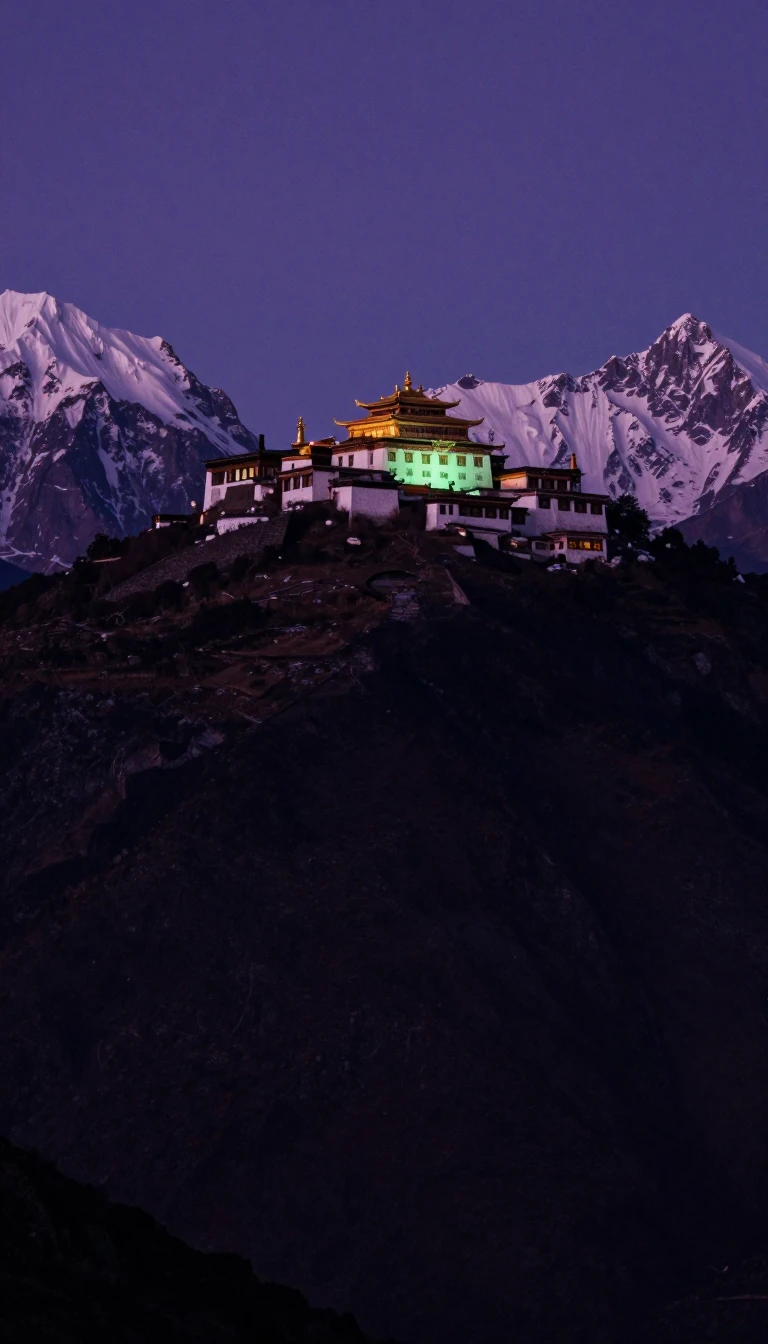
In short: Jamphel Gyatso, the 8th Dalai Lama, was a figure of profound introspection who largely avoided the complexities of governance. While his life spanned a turbulent era of foreign conflict and shifting power, he remained a contemplative leader, often delegating the administration of Tibet to regents throughout his forty-six years.
Born in 1758 in the Upper Ü-Tsang region, Jamphel Gyatso was identified as the 8th Dalai Lama at a young age. By 1762, he was enthroned at the Potala Palace in Lhasa. Because he was only a child, the ceremony was overseen by Demo Tulku Jamphel Yeshi, marking the beginning of a long period where regents held significant influence over Tibetan state affairs.
The 8th Dalai Lama’s tenure was marked by external pressures, most notably the 1788 conflict with Nepali wool traders that escalated into a full-scale Gurkha invasion of southern Tibet by 1790. The invaders seized territories and looted the Tashilhunpo Monastery, forcing the Qing dynasty to intervene with military support. By 1791, the Gurkhas were repelled, and a formal peace agreement was eventually established between the Qing and Nepal in 1796.
Despite these geopolitical upheavals, Jamphel Gyatso’s personal inclinations leaned toward spiritual and cultural pursuits rather than the mechanics of statecraft. He famously commissioned a fine copper image of the Buddha for the benefit of southern Tibetans, an artifact that eventually reached India in the 1960s. In 1783, he also established the Norbulingka Park and Summer Palace near Lhasa. He remained a mild-mannered, reflective individual who, for the majority of his life, allowed regents to manage the country’s temporal administration until his passing in 1804.
His legacy is often defined by this preference for the contemplative life. While he briefly ruled independently between 1784 and 1790, he returned to his preferred state of detachment when his regent resumed duties. His life serves as a study in the intersection of high spiritual office and the practical, often messy, realities of historical leadership.
Opens the Intellect+ feed with this card first. Swipe up for the next one.
Sources
- Summary by Intellect · source: 8th Dalai Lama
To cite this card, link to https://intellectplus.co.uk/app/ideas-8th-dalai-lama.
How we source, check and correct cards: Editorial standards.
General information, not professional advice. Spotted an error? Flag the card or see corrections and complaints.
Intellect Plus is a visual educational discovery platform for exploring fascinating facts and ideas. Brain Food, Not Brain Rot. What is Intellect Plus?
Related
More in Dharmic religions · More in Ideas & Philosophy · Latest · A–Z · All topics
