Did a fourth-century Buddhist master receive his teachings from a celestial being?
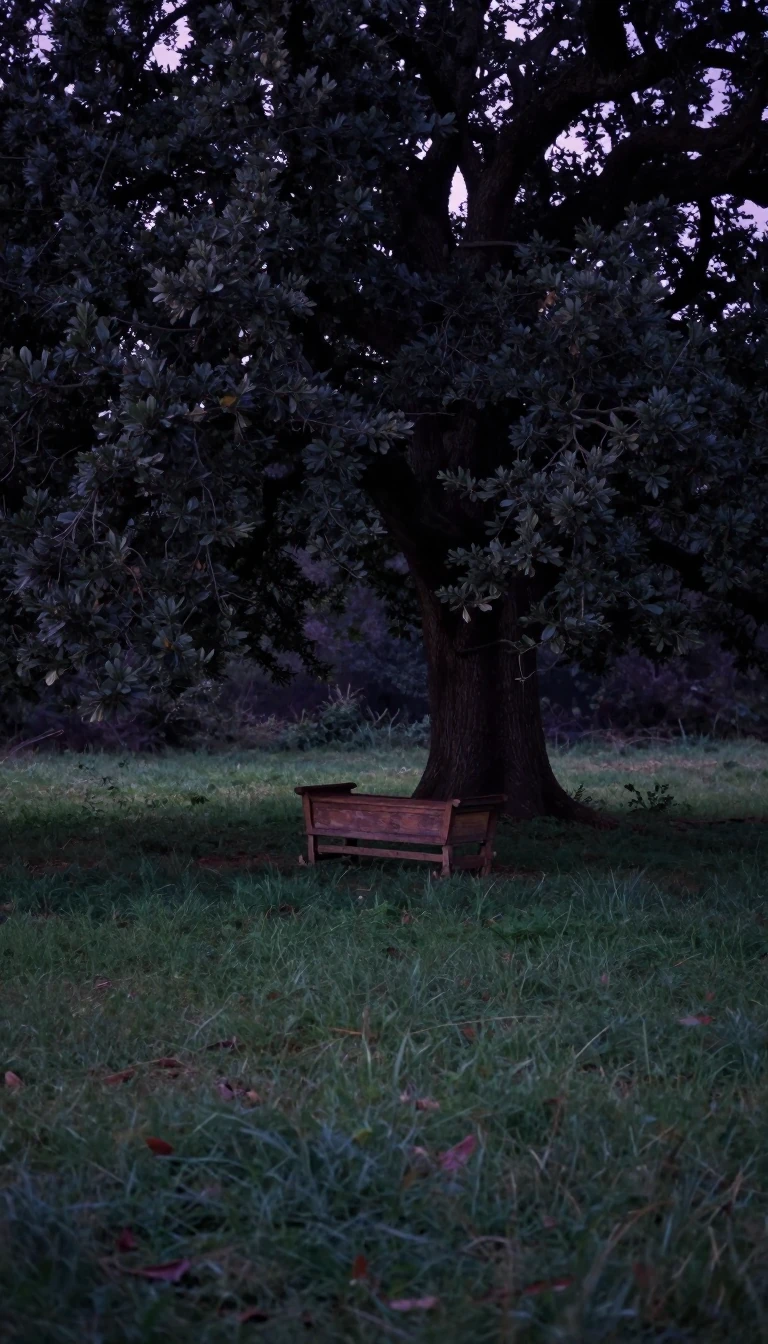
In short: Asanga, a pivotal figure in Mahayana Buddhism, reportedly traveled to the Tusita Heaven to receive divine instruction from Maitreya Bodhisattva. While traditional accounts describe these encounters as the source of his profound philosophical treatises, modern scholars debate whether this figure was a historical teacher or a visionary meditative experience.
Active in the fourth century CE, Asanga is recognized as the founder of the Yogachara school and a major exponent of Mahayana Abhidharma. His life remains shrouded in mystery, with conflicting accounts regarding his birthplace—some sources point to Puruṣapura in the ancient kingdom of Gandhāra, while others suggest Central India. Originally a monk, possibly of the Mahīśāsaka or Mūlasarvāstivāda school, he eventually converted to Mahayana, a transition that influenced his half-brother Vasubandhu to follow suit.
The narrative of Asanga’s intellectual development is famously tied to his meditative practices. According to the sixth-century monk Paramārtha and the later traveler Xuanzang, Asanga used his meditative powers to visit the Tusita Heaven, where he received teachings on emptiness and Mahayana sutras from Maitreya Bodhisattva. Whether this Maitreya was a living teacher, a tutelary deity, or a visionary construct remains a subject of intense academic scrutiny. Some scholars, such as Frauwallner, argued for a historical person, while others view the figure as a symbolic source of authority.
Asanga’s literary legacy is equally complex. While three works—the Mahāyānasaṃgraha, Abhidharma-samuccaya, and Xianyang shengjiao lun—are widely accepted as his, many other texts are attributed to him or Maitreya through complex, often contradictory, traditions. The 'Five Dharmas of Maitreya,' for instance, are central to Tibetan scholasticism but face significant skepticism from modern researchers. Even the massive Yogācārabhūmi śāstra, traditionally credited to him, is now viewed by many as a multi-authored compilation. These discrepancies highlight the challenges of attributing ancient texts and the evolving nature of Buddhist authority over the centuries.
Opens the Intellect+ feed with this card first. Swipe up for the next one.
Sources
- Summary by Intellect · source: Asanga
To cite this card, link to https://intellectplus.co.uk/app/ideas-asanga.
How we source, check and correct cards: Editorial standards.
General information, not professional advice. Spotted an error? Flag the card or see corrections and complaints.
Intellect Plus is a visual educational discovery platform for exploring fascinating facts and ideas. Brain Food, Not Brain Rot. What is Intellect Plus?
Related
More in Dharmic religions · More in Ideas & Philosophy · Latest · A–Z · All topics
