From Satanic Priest to Saint: The Radical Conversion of Bartolo Longo
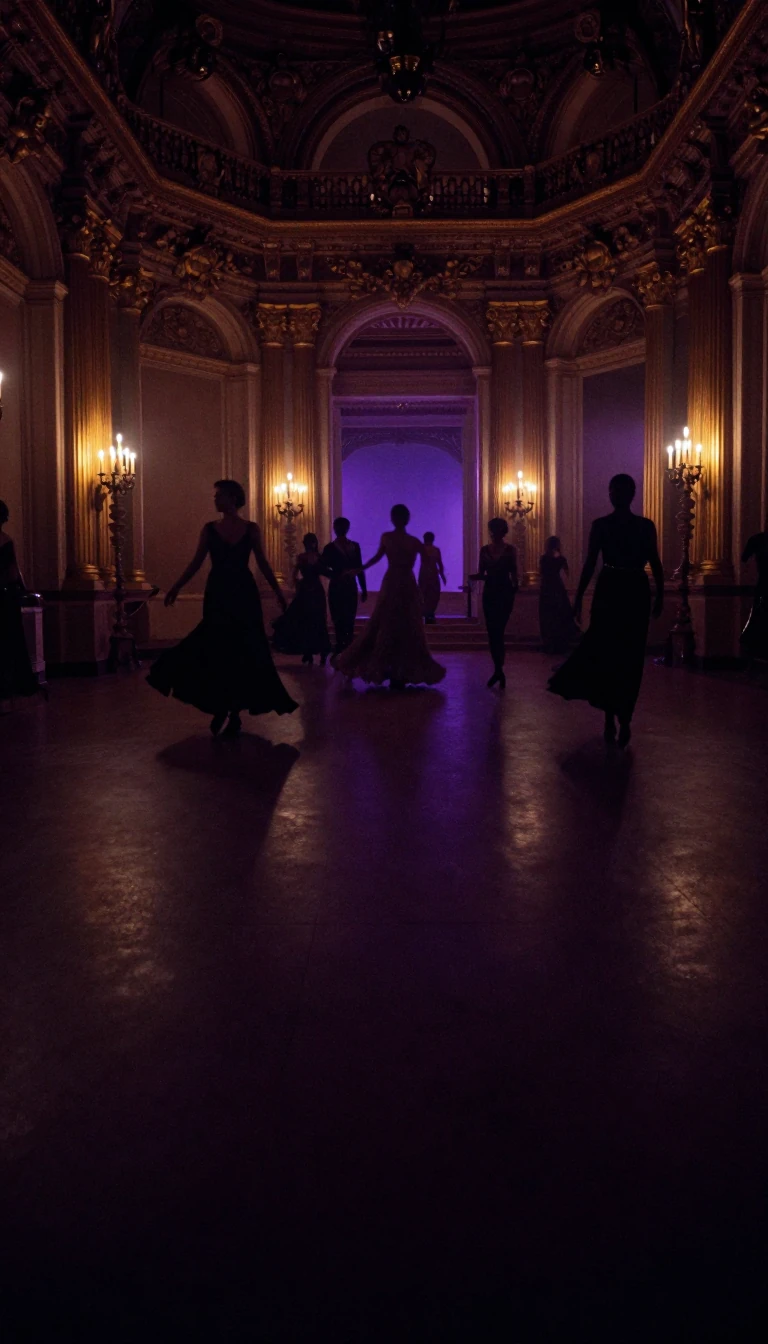
In short: In the 1860s, a young Italian lawyer traded the Catholic faith for Satanism, only to suffer a physical and mental collapse that led him back to the Church. His journey from the occult to becoming the "Apostle of the Rosary" offers a profound study in spiritual transformation and the power of devotion.
Bartolo Longo’s radical shift began in the 1860s at the University of Naples. At the time, Italy was gripped by the Risorgimento movement, which often placed the papacy in opposition to nationalistic goals. This cultural friction, combined with a growing fascination with Spiritualism and Occultism, led many students to consult mediums and believe in witchcraft. Longo, influenced by these trends, was eventually ordained as a Satanic priest. His subsequent experience was harrowing; he described his body becoming "reduced to skin and bones" and suffered from "frazzled nerves" and a chronic stomach ailment. He felt haunted by a dark companion he called his "angel."
Longo’s return to the Catholic faith was facilitated by the intervention of a professor, Vincenzo Pepe, and two religious figures: the Dominican friar Alberto Radente and the sister Caterina Volpicelli. They introduced him to the rosary and the Virgin Mary. In a dramatic turning point, Longo attended a séance and publicly renounced Spiritualism as a "maze of error." By 1871, he became a Dominican tertiary named Rosario. His mission shifted toward the people of Pompei, where he was shocked to find a population whose faith was a confused mixture of superstition and local tradition, often seeking out sorceresses for everyday needs.
Driven by a desire to lead the people back to God, Longo focused on the rosary, citing a promise from the Virgin Mary to Saint Dominic. In 1873, he began restoring a dilapidated church and sponsored a festival for Our Lady of the Rosary. Despite his initial distaste for a poorly painted image of the Virgin, he restored it to encourage pilgrimages. The resulting influx of pilgrims led to the construction of a basilica, which was enlarged into a shrine in 1939. Longo’s life was defined by this duality: a former practitioner of the occult who spent his final decades building a massive center of traditional devotion, eventually being canonized in 2025.
His influence extended beyond the spiritual into the humanitarian. Alongside his wife, Countess Mariana di Fusco, he organized schools and homes for orphans and children of prisoners—work considered radical for the time. His social impact was so significant that he was nominated for the Nobel Peace Prize twice, in 1902 and 1903, for organizing a petition drive that collected over four million signatures for world peace between 1896 and 1900. Though his religious motives may have hindered his Nobel prospects, his legacy remains a cornerstone of modern Marian devotion.
Opens the Intellect+ feed with this card first. Swipe up for the next one.
Sources
- Summary by Intellect · source: Bartolo Longo
To cite this card, link to https://intellectplus.co.uk/app/ideas-bartolo-longo.
How we source, check and correct cards: Editorial standards.
General information, not professional advice. Spotted an error? Flag the card or see corrections and complaints.
Intellect Plus is a visual educational discovery platform for exploring fascinating facts and ideas. Brain Food, Not Brain Rot. What is Intellect Plus?
Related
More in Religion and spirituality · More in Ideas & Philosophy · Latest · A–Z · All topics
