Why the most terrifying deity in Hinduism is also a protector of the living
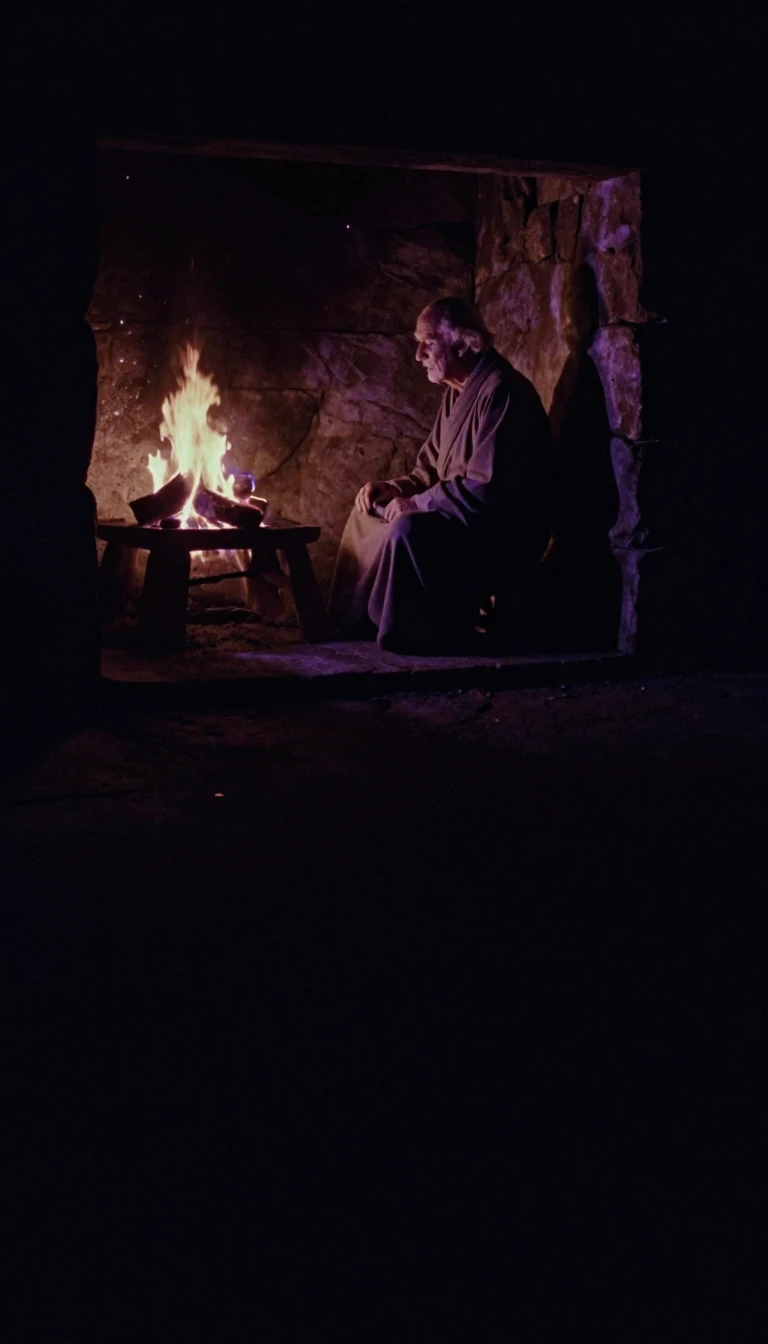
In short: Bhairava, whose name translates to horrific, is a complex figure worshipped across Asia. Often depicted with fangs, skulls, and bulging eyes, he embodies the destructive power of Shiva. Yet, for his devotees, this fearsome form serves as a powerful guardian, transforming death and chaos into a path toward spiritual liberation.
Bhairava has been a fixture in Hindu mythology since at least the 400s CE. While his origins are tied to the cremation ground—the domain of the dead and demonic—he is revered in later traditions as a protector who shields the living from those very forces. In Shaivism, he is often viewed as a manifestation of Shiva, though some philosophies, particularly in Kashmiri Shaivism, elevate him to the status of the absolute, singular divine consciousness that creates and destroys the cosmos.
The iconography of Bhairava is intentionally unsettling. He is frequently portrayed with dark skin, fangs, and bulging eyes, adorned with snakes and a necklace of skulls. He often carries a staff topped with a skull and a severed head, while a dog—an animal associated with ritual impurity—serves as his vehicle. These symbols reflect his connection to liminal spaces and his role as a destroyer of ego and sin. In one prominent myth, Bhairava is emanated by Shiva to decapitate the fifth head of Brahma, an act that leaves him burdened with the sin of killing a Brahmin until he finds release in Varanasi.
Historically, Bhairava was central to 'left-hand' Tantric groups like the Kapalikas, who sought liberation by deliberately violating social taboos. By smearing themselves with ashes and using human skulls as begging bowls, they emulated the god’s own horrifying nature to transcend the cycle of rebirth. Today, while these extreme practices have largely faded, Bhairava remains a vital figure in Hinduism, Buddhism, and Jainism. Whether as a fierce protector or a meditative focus for transforming anger into understanding, he continues to represent the paradox of finding the divine within the terrifying.
Opens the Intellect+ feed with this card first. Swipe up for the next one.
Sources
- Summary by Intellect · source: Bhairava | Deity, Shiva, Hinduism, Buddhism, Tantra, Myth, & Practices | Britannica
- Also: Bhairava
To cite this card, link to https://intellectplus.co.uk/app/ideas-bhairava.
How we source, check and correct cards: Editorial standards.
General information, not professional advice. Spotted an error? Flag the card or see corrections and complaints.
Intellect Plus is a visual educational discovery platform for exploring fascinating facts and ideas. Brain Food, Not Brain Rot. What is Intellect Plus?
Related
More in Religion and spirituality · More in Ideas & Philosophy · Latest · A–Z · All topics
