Was Glasnost a calculated political strategy or a runaway train for the Soviet Union?
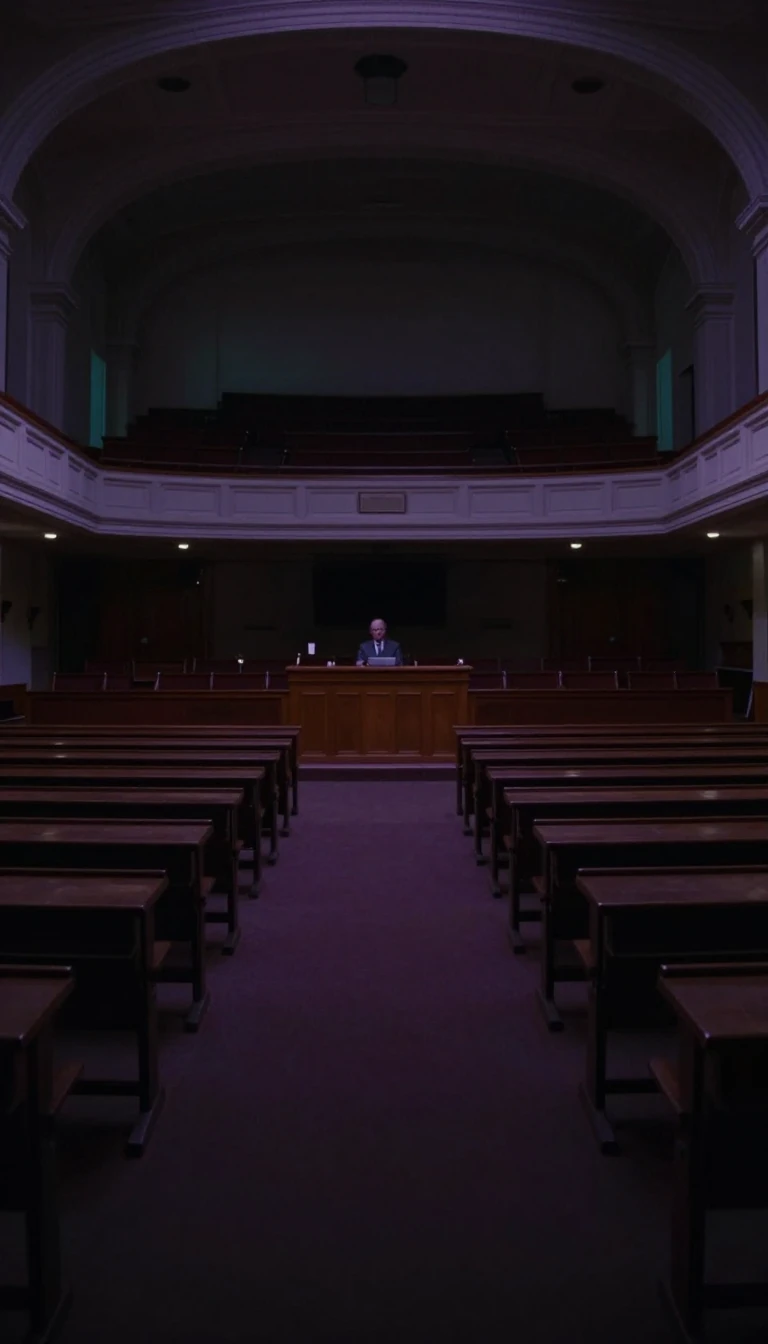
In short: Mikhail Gorbachev introduced glasnost to modernize the stagnant Soviet state through transparency. He intended it to be a tool for bureaucratic efficiency, but the policy quickly escaped his control. Instead of a managed reform, it became a catalyst for public dissent that ultimately dismantled the Soviet Union from within.
When Mikhail Gorbachev became general secretary in 1985, he inherited a Soviet economy defined by years of drift and low growth. Alongside perestroika, his plan for economic restructuring, he introduced glasnost—a policy of openness. While the term had appeared in the 1977 Constitution and earlier political rhetoric, Gorbachev elevated it in a December 1984 speech as a core theme for national renovation. He envisioned it as a way to allow public scrutiny of the bureaucracy, hoping that increased candour would help him bypass entrenched party officials who resisted his efforts to modernize the system.
In practice, glasnost functioned as a 'facilitating concept' that far exceeded the boundaries Gorbachev and his liberal allies, such as Aleksandr Yakovlev and Eduard Shevardnadze, initially anticipated. It evolved from a government-led initiative into a right asserted from below, effectively mirroring Western-style freedom of speech. The media began reporting on state crimes of the past and burgeoning criminality, a phenomenon known as 'retrospective glasnost.' This exposure of historical atrocities, particularly those under Stalin, shattered the public's remaining confidence in the state's ability to lead or provide prosperity.
The policy’s ambiguity proved fatal to Gorbachev’s agenda. As citizens gained access to censored literature and began discussing systemic failures openly, the movement for reform transformed into a demand for independence. By 1990, civil unrest had erupted in republics like Lithuania, Georgia, and Azerbaijan. While Gorbachev intended glasnost to strengthen the Soviet Union by making its management transparent, it instead provided the intellectual and social space for the regime's collapse. By 1991, the very openness he championed had helped dissolve the political fabric of the nation he sought to save.
Opens the Intellect+ feed with this card first. Swipe up for the next one.
Sources
- Summary by Intellect · source: Glasnost | Perestroika, Gorbachev, Reforms | Britannica
- Also: Perestroika and Glasnost | Seventeen Moments in Soviet History
- Also: Glasnost
To cite this card, link to https://intellectplus.co.uk/app/ideas-glasnost.
How we source, check and correct cards: Editorial standards.
General information, not professional advice. Spotted an error? Flag the card or see corrections and complaints.
Intellect Plus is a visual educational discovery platform for exploring fascinating facts and ideas. Brain Food, Not Brain Rot. What is Intellect Plus?
Related
More in Writers · More in Ideas & Philosophy · Latest · A–Z · All topics
