The Kamakhya Temple is a sacred site where the goddess is worshipped as a yoni.
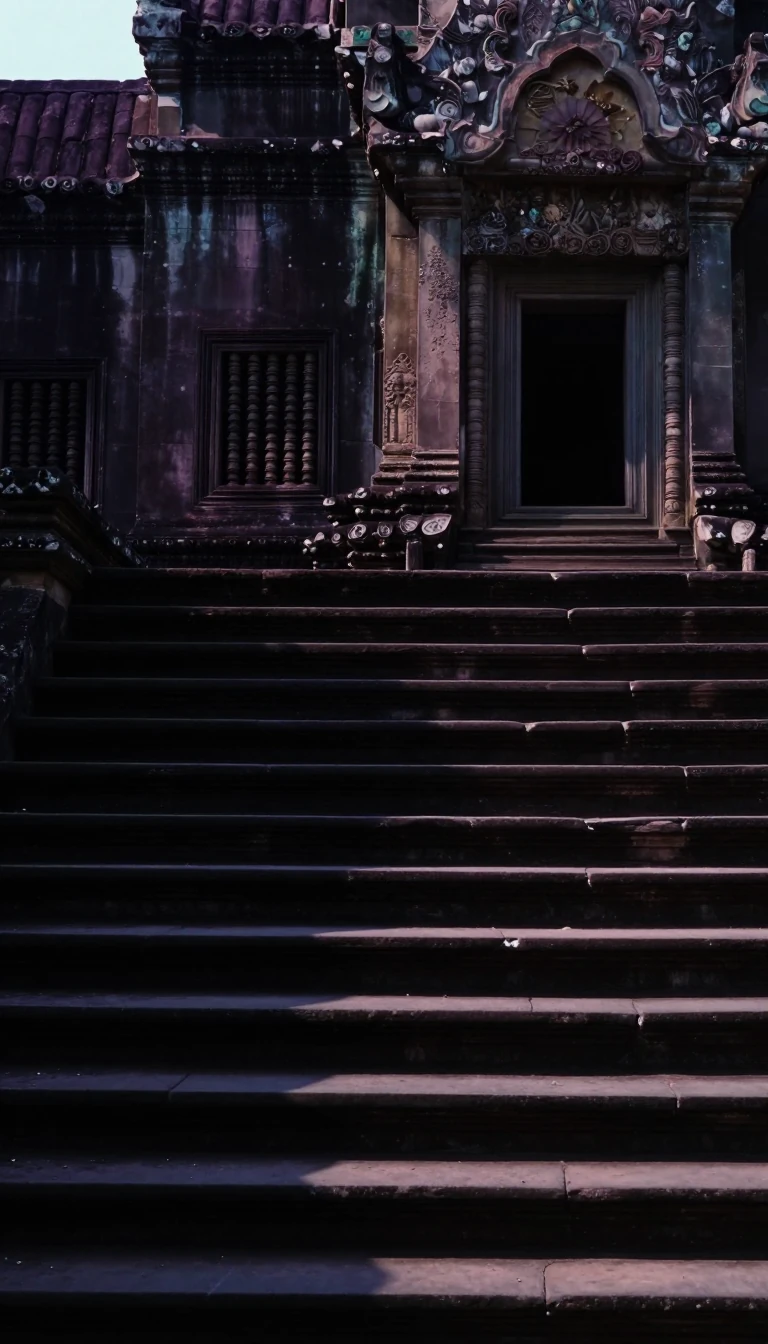
In short: Perched on the Nilachal hills in Assam, the Kamakhya Temple is a profound center of Tantric practice. Unlike traditional shrines, its inner sanctum contains no idol, but rather a natural rock fissure shaped like a yoni, continuously fed by an underground spring, representing the creative power of the goddess.
The temple's history is a complex tapestry of indigenous roots and evolving religious traditions. Scholars suggest that worship here began as an autochthonous practice, potentially linked to Kirata tribal origins, long before the site was integrated into the Brahminical ambit. By the 10th century, the Kalika Purana had woven the goddess Kamakhya into the legitimizing mythology of the Kamarupa kingdom, connecting her to the progenitor Naraka. Over centuries, the site transitioned through phases of worship, moving from the yoni under the Mleccha dynasty to the yogini and Mahavidya traditions under later rulers.
Architecturally, the temple is a hybrid marvel. While the lower stone portions date back to earlier periods, the distinctive hemispherical shikhara was crafted from brick in 1565 by the Koch artisan Meghamukdam. This design, which incorporates minaret-inspired angashikaras, birthed the Nilachal style. The complex is unique for housing individual temples for all ten Mahavidyas of Saktism, a rare grouping in the Shakta tradition. The site remains a living, breathing entity, currently undergoing a massive redevelopment project known as the Maa Kamakhya Divyalok Pariyojana, designed to expand pilgrim capacity while navigating the delicate hydrology of the hill's underground springs.
The temple's significance is perhaps most visible during the annual Ambubachi Mela, which celebrates the menstruation of the goddess. This event underscores the temple's identity as a primary pitha, or abode, of the Devi. Despite historical shifts in power—from the Mlecchas and Kochs to the Ahoms—the temple has maintained its status as a vital pilgrimage destination. Today, it continues to influence cultural and spiritual life, as evidenced by the 2026 creation of the raga 'Kamakhyapriya' by composer Mahesh Mahadev, ensuring that the ancient reverence for the goddess remains deeply embedded in the modern consciousness.
Opens the Intellect+ feed with this card first. Swipe up for the next one.
Sources
- Summary by Intellect · source: Kamakhya Temple
To cite this card, link to https://intellectplus.co.uk/app/ideas-kamakhya-temple.
How we source, check and correct cards: Editorial standards.
General information, not professional advice. Spotted an error? Flag the card or see corrections and complaints.
Intellect Plus is a visual educational discovery platform for exploring fascinating facts and ideas. Brain Food, Not Brain Rot. What is Intellect Plus?
Related
More in Religion and spirituality · More in Ideas & Philosophy · Latest · A–Z · All topics
