A 12th-century masterpiece of stone, built to endure a millennium of shifting empires.
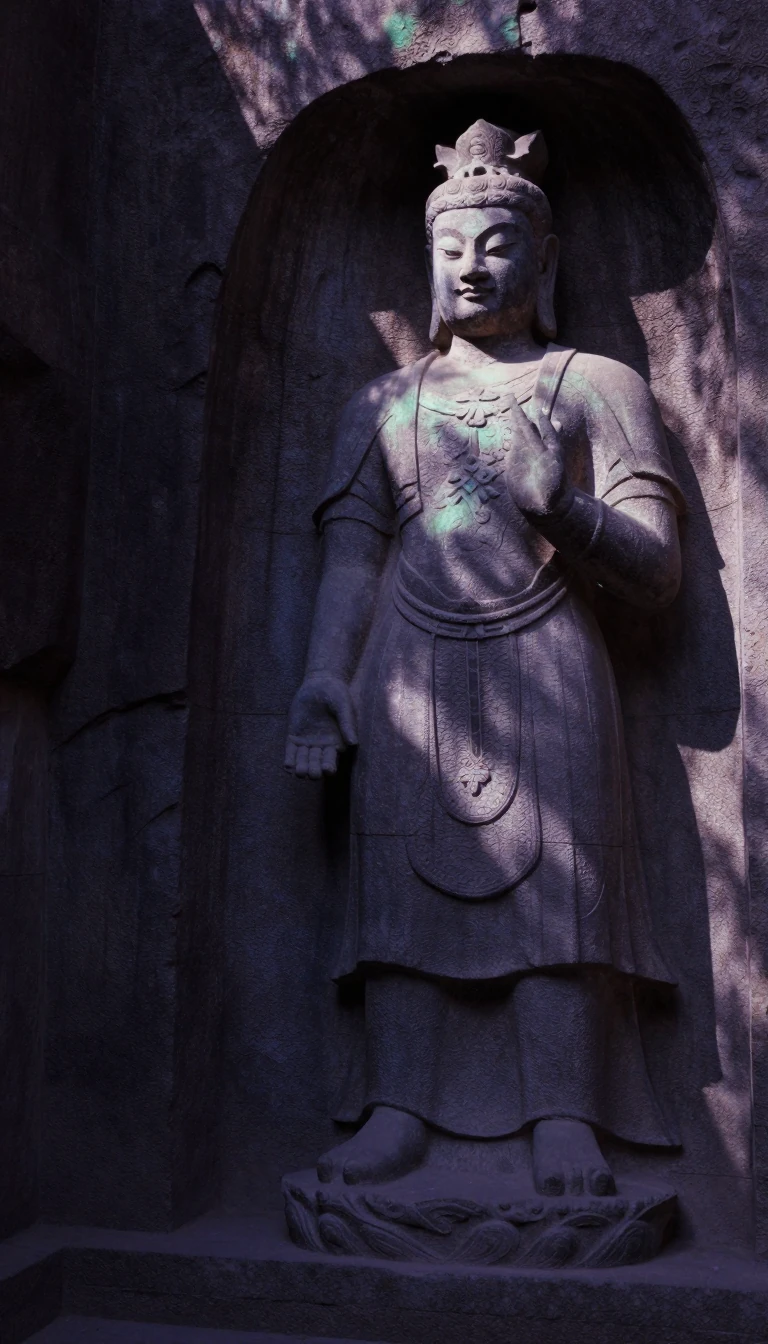
In short: Commissioned in 1117 CE, the Chennakeshava Temple in Belur stands as a testament to Hoysala architectural ingenuity. Crafted from soft soapstone that hardens over time, this sacred site has survived centuries of conflict, royal patronage, and structural evolution, remaining an active center of Vaishnava pilgrimage and artistic wonder today.
The Chennakeshava Temple was established by King Vishnuvardhana during the height of the Hoysala Empire. Located in the Hassan district of Karnataka, the site was envisioned as an earthly residence for the god Vishnu. Construction spanned over a century, involving three generations of artisans who utilized chloritic schist, a material prized for its malleability during carving and its remarkable durability once exposed to the elements.
The temple complex is defined by its unique jagati, a raised platform that serves as a circumambulatory path for devotees. This design reflects the Karnata Dravida tradition, blending North Indian Nagara influences with local stylistic innovations. Originally, the structure featured an open mandapa, allowing light to illuminate the intricate carvings. However, security concerns during the 14th century led to the addition of perforated stone screens, which, while protecting the interior, significantly altered the lighting conditions within the hall.
Throughout its history, the temple has been a focal point for regional power struggles. It suffered damage during raids by the Delhi Sultanate in the 14th century and was later repaired and expanded by the Vijayanagara Empire. These later additions, including a seven-story gopuram and various smaller shrines, integrated war ruins from other demolished sites, creating a layered historical record. In 2023, UNESCO recognized the site's cultural significance by designating it a World Heritage Site as part of the Sacred Ensembles of the Hoysalas.
Today, the complex houses a variety of structures, from the main Chennakeshava shrine to the Kappe Chennigaraya temple, which was sponsored by Queen Santala Devi. The walls are adorned with detailed friezes depicting scenes from the Ramayana, Mahabharata, and daily life of the 12th century. These carvings, alongside 118 recorded inscriptions, provide a comprehensive narrative of the religious, social, and political shifts that shaped South India over the last nine hundred years.
Opens the Intellect+ feed with this card first. Swipe up for the next one.
Sources
- Summary by Intellect · source: Chennakeshava Temple, Belur
To cite this card, link to https://intellectplus.co.uk/app/nature-chennakeshava-temple-belur.
How we source, check and correct cards: Editorial standards.
General information, not professional advice. Spotted an error? Flag the card or see corrections and complaints.
Intellect Plus is a visual educational discovery platform for exploring fascinating facts and ideas. Brain Food, Not Brain Rot. What is Intellect Plus?
Related
More in Physical geography · More in Nature · Latest · A–Z · All topics
