Why do ancient heroes risk everything to descend into the realm of the dead?
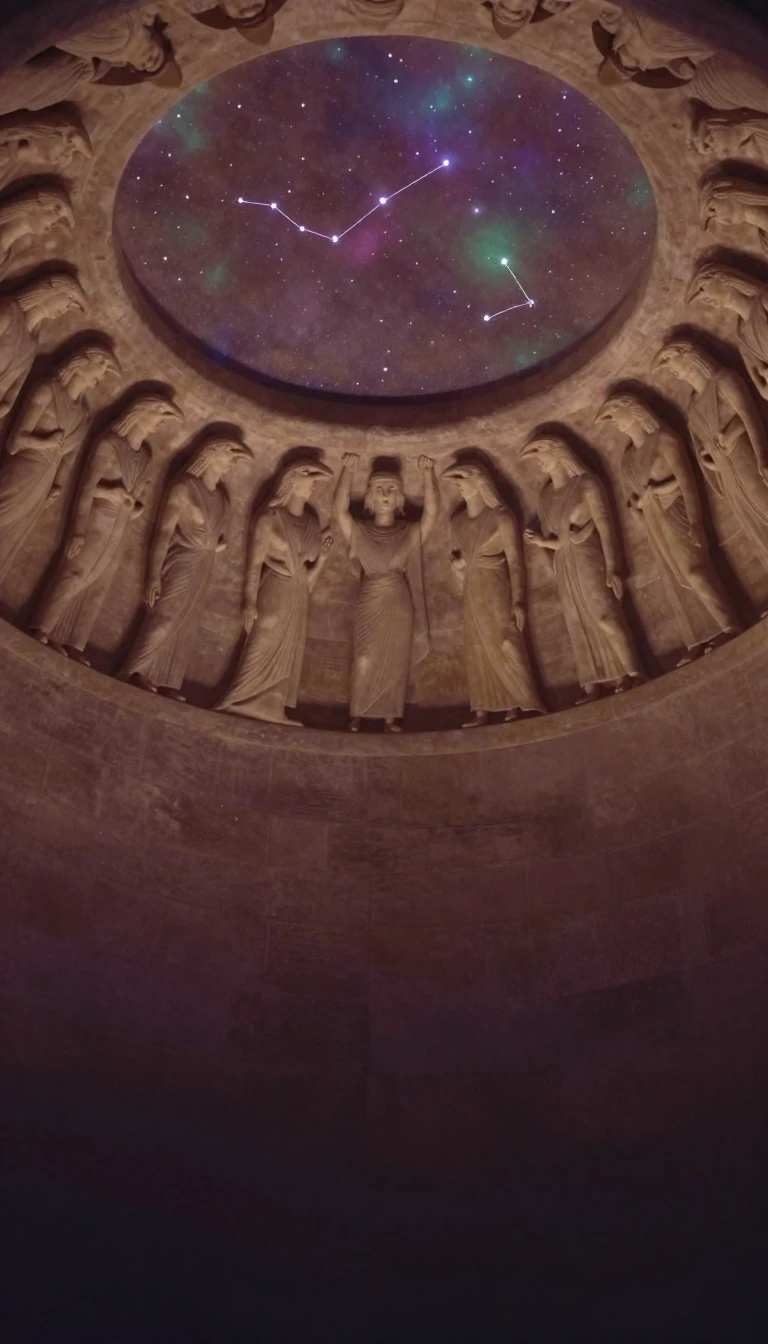
In short: A katabasis is a journey into the underworld, a recurring motif in global mythology. Whether seeking lost loved ones, divine knowledge, or the defeat of death itself, the hero who enters the land of the dead and returns proves their exceptional status as more than a mere mortal.
The term katabasis, from the Ancient Greek for descent, describes a physical journey to the underworld. While often confused with nekyia—a vision of the dead achieved through ritual—a true katabasis involves a living protagonist entering the forbidden realm. This mytheme appears across diverse traditions, from the Sumerian Epic of Gilgamesh to the Buddhist journey of Phra Malai. For the classical hero, the ability to survive this transition is the ultimate test of their extraordinary nature.
In Greek and Roman literature, the motivations for these descents vary significantly. Odysseus, in the 11th book of the Odyssey, performs a blood rite to summon the dead, seeking prophecy from the prophet Tiresias to secure his homecoming. Conversely, Aeneas in Virgil’s Aeneid actively seeks entry, guided by the Cumaean Sibyl and a golden bough to consult his father, Anchises. These journeys often serve as a bridge between the living and the dead, allowing heroes to confront the cyclical nature of existence or the weight of their own destiny.
The consequences of these descents are as varied as the goals. Orpheus attempts to rescue his wife, Eurydice, only to lose her again through a moment of doubt. Persephone’s annual descent into the underworld, as recounted by Ovid, provides an etiological explanation for the changing seasons. Whether the traveler seeks to rescue a loved one, like Moginlin or Dionysus, or to gain secret revelations, the katabasis remains a powerful narrative device. It explores the boundaries of mortality, the possibility of immortality, and the profound human desire to communicate with those who have passed beyond the veil.
Scholars continue to debate the nuances of these stories, such as the symbolic hesitation of the golden bough in the Aeneid or the precise location of Odysseus’s ritual. Regardless of the interpretation, the katabasis persists as a fundamental expression of the hero’s journey, marking the transition from the known world into the profound mysteries of the afterlife.
Opens the Intellect+ feed with this card first. Swipe up for the next one.
Sources
- Summary by Intellect · source: Katabasis
To cite this card, link to https://intellectplus.co.uk/app/ideas-katabasis.
How we source, check and correct cards: Editorial standards.
General information, not professional advice. Spotted an error? Flag the card or see corrections and complaints.
Intellect Plus is a visual educational discovery platform for exploring fascinating facts and ideas. Brain Food, Not Brain Rot. What is Intellect Plus?
Related
More in Religion and spirituality · More in Ideas & Philosophy · Latest · A–Z · All topics
