From dangerous fields to the world's most expensive address: the story of Belgravia.
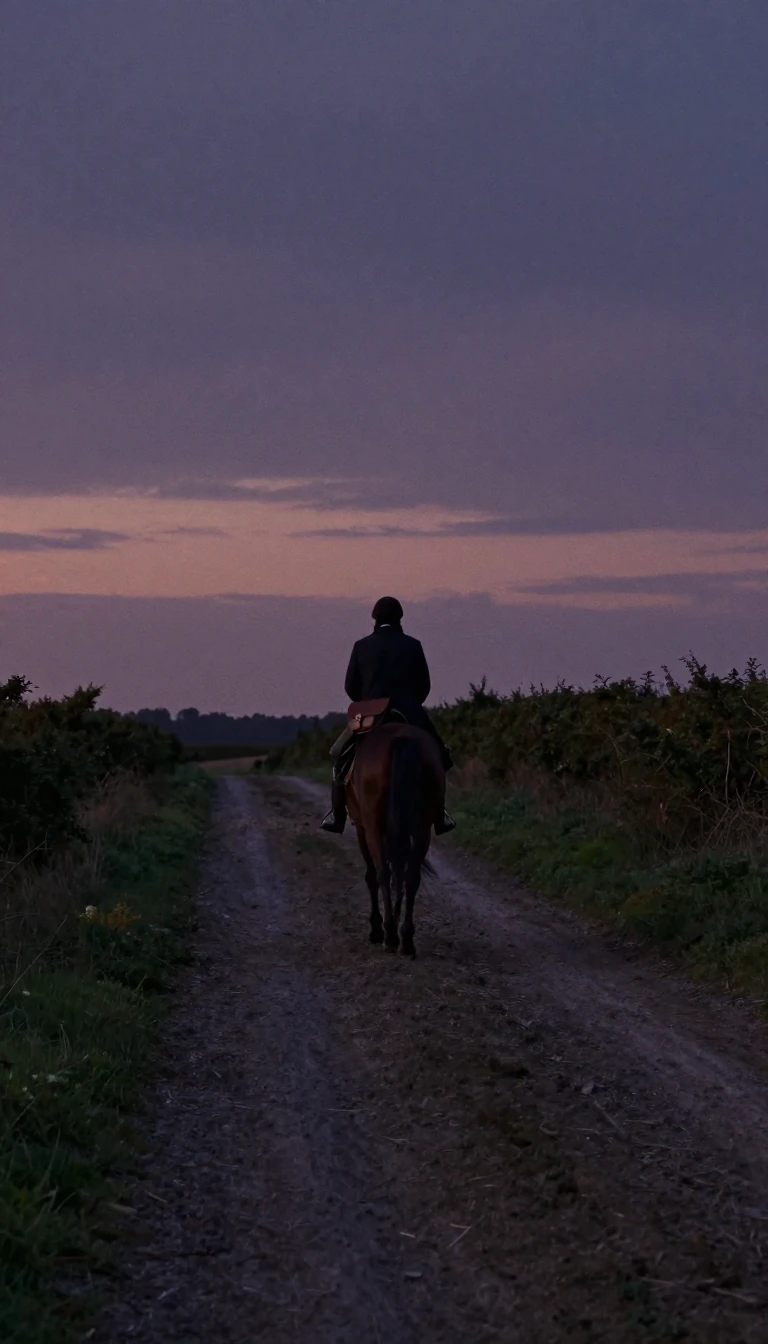
In short: Once a lawless marshland plagued by highwaymen and duels, Belgravia transformed into a bastion of aristocratic grandeur. Today, this central London district remains a quiet, exclusive enclave of white stucco terraces, where property values reach astronomical heights and history hides behind the doors of former embassies and grand mansions.
Before its rise to opulence, the area now known as Belgravia was the 'Five Fields,' a treacherous stretch of land during the Tudor period. Intersected by the River Westbourne, the fields were notorious for robberies and violence, earning the local crossing the name 'Bloody Bridge.' By the 18th century, it was a site of duelling and crime, though it also hosted modest market gardens. The district's character shifted permanently in 1826, when Richard Grosvenor, the 2nd Marquess of Westminster, secured parliamentary rights to develop the land. He partnered with the builder Thomas Cubitt to construct the iconic white stucco terraces that define the area today.
The development, completed largely between 1830 and 1847, centered on the grand Belgrave Square and Eaton Square. These spaces were designed to house the country's elite, and for over a century, they served as townhouses for the aristocracy and gentry. Following World War II, the district underwent a significant transition. Many large residences were repurposed as embassies, charity headquarters, and professional offices. However, the early 21st century has seen a reversal of this trend, as the super-rich have returned to the area, driving prices to record levels. By 2010, the average house price stood at £6.6 million, with some properties valued as high as £100 million.
Belgravia has long occupied a unique space in the British cultural imagination. It has been immortalized in the novels of Anthony Trollope and served as the setting for the television series Upstairs, Downstairs, which depicted the lives of the Edwardian elite and their servants. Despite its prestige, the area faces modern challenges; the high concentration of foreign ownership has left many properties temporarily unoccupied, creating a quiet, isolated atmosphere that contrasts sharply with the bustling commercial districts surrounding it. Today, the Grosvenor Group continues to manage much of the estate, though the Leasehold Reform Act of 1967 has forced the sale of many freeholds to former tenants.
Opens the Intellect+ feed with this card first. Swipe up for the next one.
Sources
- Summary by Intellect · source: Belgravia
- Also: Wikidata — Belgravia · CC0
- Also: Wikidata — Belgravia · CC0
To cite this card, link to https://intellectplus.co.uk/app/places-belgravia.
How we source, check and correct cards: Editorial standards.
General information, not professional advice. Spotted an error? Flag the card or see corrections and complaints.
Intellect Plus is a visual educational discovery platform for exploring fascinating facts and ideas. Brain Food, Not Brain Rot. What is Intellect Plus?
Related
More in UK & Ireland: places · More in Countries & Cities · Latest · A–Z · All topics
