Why did ancient prophets and mystics repeatedly envision a perfect, reconstructed city of Jerusalem?
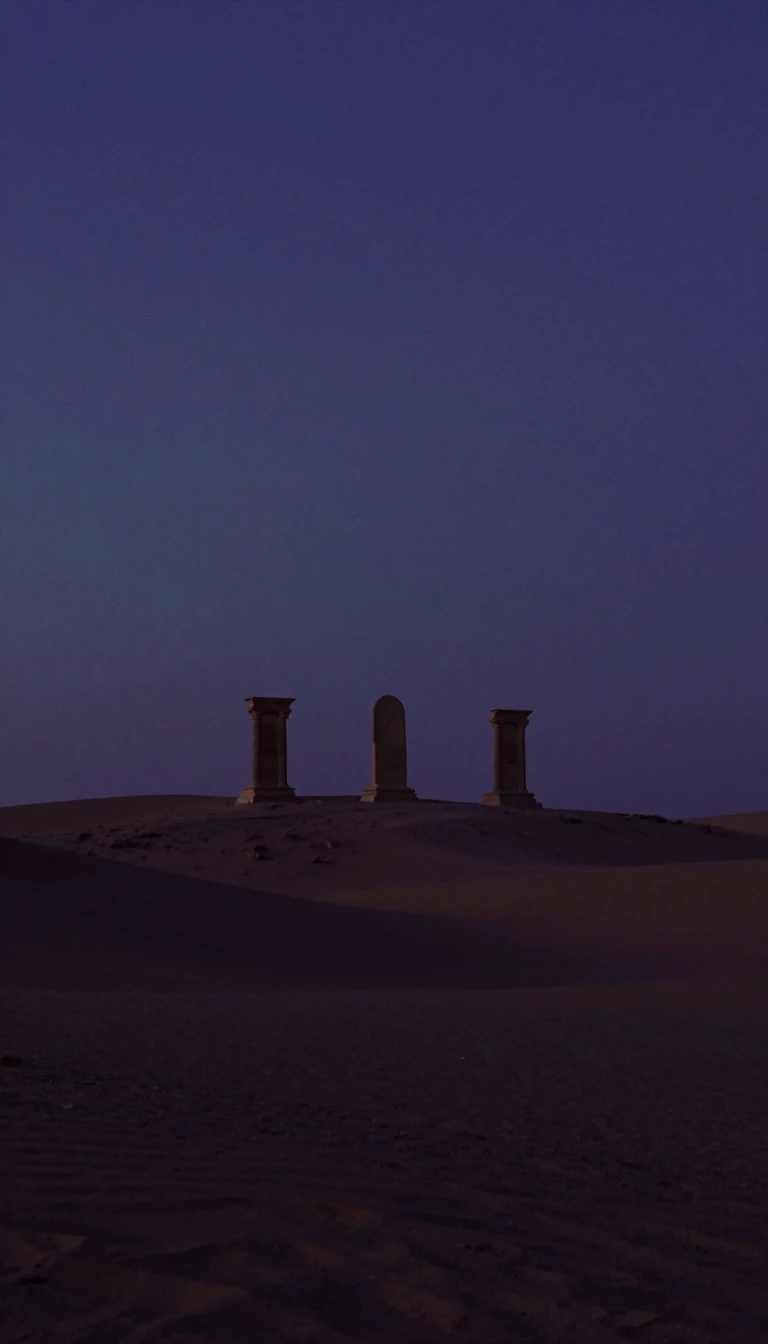
In short: The New Jerusalem is not merely a physical destination but a recurring apocalyptic response to trauma. From the Babylonian exile to Roman destruction, prophets and visionaries reimagined the city as a divine, perfected sanctuary. It serves as a profound symbol of hope, restoration, and the ultimate reconciliation between humanity and God.
The concept of a New Jerusalem emerged as a theological answer to historical catastrophe. The prophet Ezekiel first recorded this vision in 3372 of the Hebrew calendar, detailing a city centered on a rebuilt Holy Temple. This early vision focused on human construction, but later prophets like Zechariah shifted the focus toward divine intervention, particularly as the post-exile population struggled to secure the city. By the time of Isaiah, the city was depicted as a jewel-adorned paradise, free from terror and oppression.
Conflict served as the primary catalyst for these apocalyptic visions. Following the Babylonian destruction of the First Temple in 586 BCE, and later the persecutions under Antiochus IV in 167 BCE, writers used the New Jerusalem to process suffering. Texts like 1 Enoch and the Dead Sea Scrolls envisioned a restored city that would reunify the twelve tribes of Israel. These works often utilized specific, symbolic measurements—such as the twelve gates—to represent divine order and the gathering of the faithful.
After the Roman destruction of the Second Temple in 70 CE, the vision evolved significantly. Authors of 4 Ezra and 2 Baruch moved away from hopes for an earthly reconstruction, instead emphasizing a pre-existent heavenly Temple that predated even the Garden of Eden. This shift reflected a deeper theodicy, where the city became a symbol of eternal comfort. In the Book of Revelation, John of Patmos synthesized these traditions, describing a massive, gold-paved city that descends from heaven, where the presence of God replaces the need for a physical temple building entirely.
Today, interpretations of the New Jerusalem remain diverse. While some traditions, such as Orthodox Judaism and various Christian denominations, anticipate a literal renewal at the Temple Mount, others view the city as a figurative representation of the Church or a spiritual state of reconciliation. Whether interpreted as a future event or a present reality, the New Jerusalem continues to function as a powerful archetype of hope, representing the final end of the human pilgrimage and the restoration of a perfected world.
Opens the Intellect+ feed with this card first. Swipe up for the next one.
Sources
- Summary by Intellect · source: New Jerusalem
To cite this card, link to https://intellectplus.co.uk/app/ideas-new-jerusalem.
How we source, check and correct cards: Editorial standards.
General information, not professional advice. Spotted an error? Flag the card or see corrections and complaints.
Intellect Plus is a visual educational discovery platform for exploring fascinating facts and ideas. Brain Food, Not Brain Rot. What is Intellect Plus?
Related
More in Philosophers · More in Ideas & Philosophy · Latest · A–Z · All topics
