A civilization doomed by the terrifying arrival of a single night.
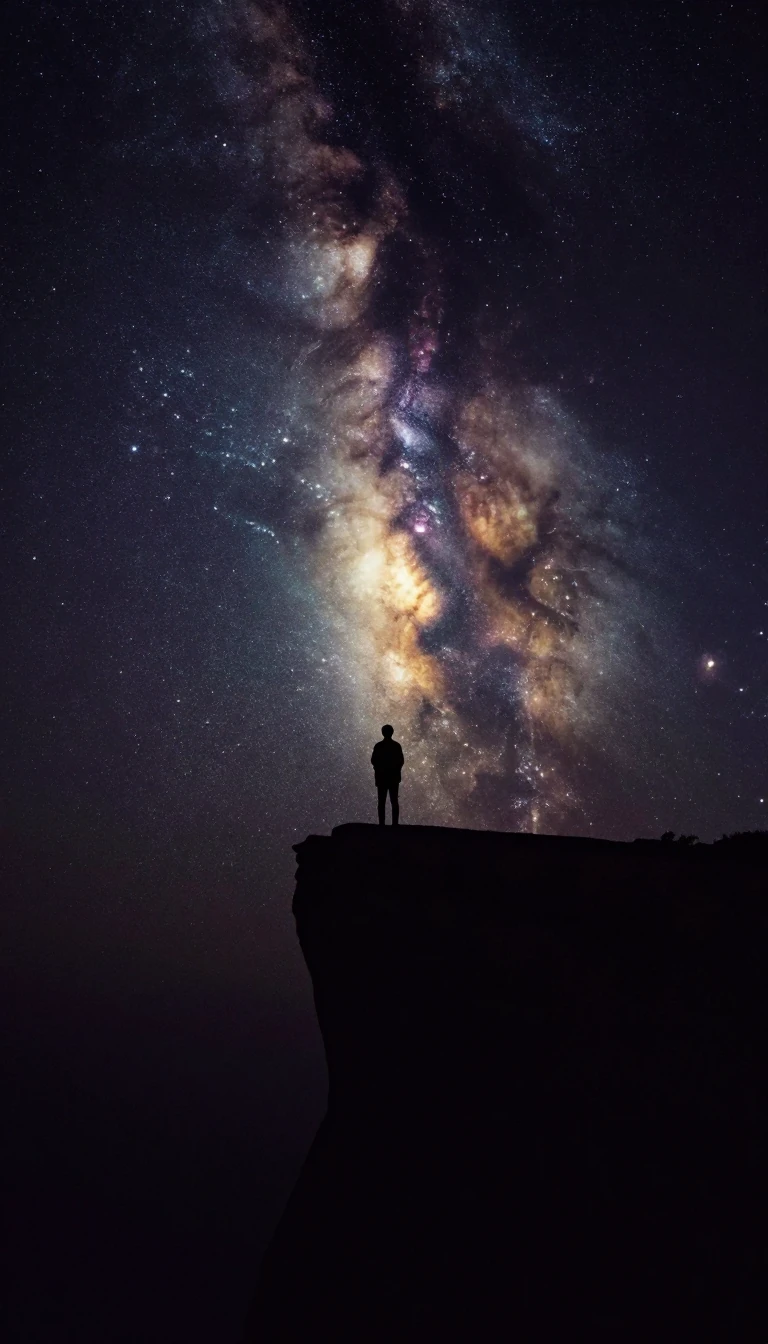
In short: Imagine a world where the sun never sets. On the planet Lagash, inhabitants have evolved without a diurnal cycle, making them instinctively terrified of darkness. When an astronomical anomaly finally brings the first night in millennia, the sheer scale of the universe—and the terror of the shadows—drives humanity to madness.
In Isaac Asimov's 1941 masterpiece 'Nightfall,' the planet Lagash is perpetually illuminated by six suns. Because there is no natural night, the inhabitants have developed an intense, biological fear of the dark. Psychological experiments on the planet revealed that exposure to darkness for as little as 15 minutes can cause permanent mental illness or death. This evolutionary quirk creates a fragile society where light is not just a utility, but a psychological necessity.
The catastrophe is triggered by 'Lagash Two,' an invisible moon with an eccentric orbit. Every 2,049 years, it passes between the planet and its primary suns, creating a total eclipse. Scientists on Lagash discovered that this cycle has destroyed previous civilizations every 2,000 years. During these 'long nights,' survivors who go insane in the darkness often set massive fires to find light, inadvertently burning their cities to the ground and perpetuating a cycle of societal collapse.
The ultimate irony lies in the scale of the revelation. Because Lagashians live under constant light, they believed the universe was only a few light-years wide. When the eclipse finally occurs, the sky reveals more than 30,000 newly visible stars. The simultaneous realization of their own insignificance and the overwhelming terror of the dark drives the population into a violent frenzy, as the horizon begins to glow with the fires of a collapsing world.
The story was famously inspired by a Ralph Waldo Emerson quote about how men would react if stars appeared for one night in a thousand years. While some might see it as an act of worship, Asimov's editor and protagonist suggest a darker reality: that humanity would simply go mad.
Opens the Intellect+ feed with this card first. Swipe up for the next one.
Sources
- Summary by Intellect · source: Nightfall (Asimov novelette and novel)
To cite this card, link to https://intellectplus.co.uk/app/ideas-nightfall-asimov-novelette-and-novel.
How we source, check and correct cards: Editorial standards.
General information, not professional advice. Spotted an error? Flag the card or see corrections and complaints.
Intellect Plus is a visual educational discovery platform for exploring fascinating facts and ideas. Brain Food, Not Brain Rot. What is Intellect Plus?
Related
More in Writers · More in Ideas & Philosophy · Latest · A–Z · All topics
