The night sky is never truly black, even far from city lights.
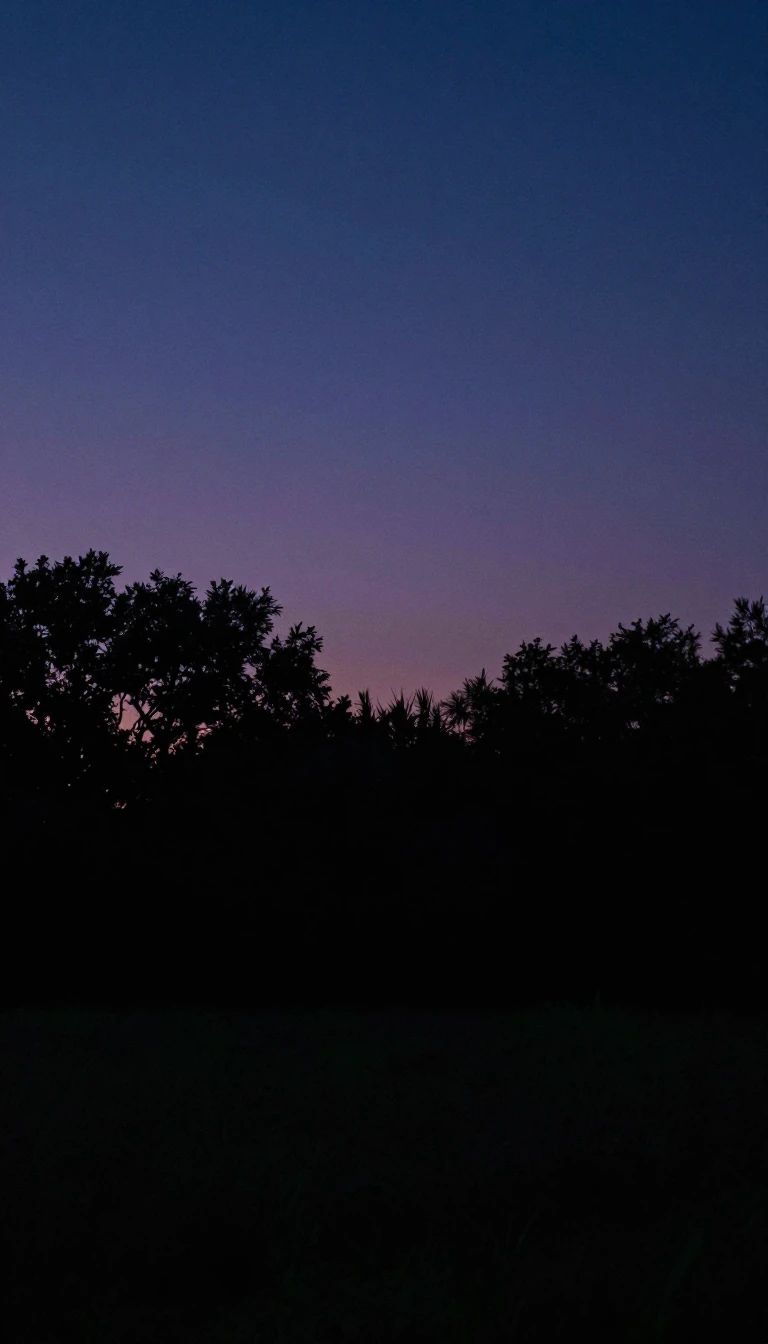
In short: Beyond the glare of urban light pollution, the night sky glows with a faint, natural luminescence. Driven by solar radiation, chemical reactions in the upper atmosphere, and scattered interplanetary dust, this intrinsic brightness creates a complex, shifting tapestry of light that remains invisible to most of the modern world.
Even in the absence of moonlight and artificial light, the night sky possesses a measurable, intrinsic brightness. This phenomenon is primarily composed of airglow, starlight, and zodiacal light. Airglow occurs in the upper atmosphere, where solar UV radiation triggers photon emissions. Physicist Anders Ångström first identified the characteristic green emission line of oxygen at 557.76 nm in 1868, though the full understanding of these atmospheric processes did not emerge until the 1920s.
Airglow is driven by various chemical reactions, including the recombination of oxygen and the presence of a sporadic sodium layer located 90 to 100 km above Earth. While airglow is about one-tenth as bright as the collective glow of starlight, it remains a dominant feature of the night. During the day, these same emissions are roughly 1,000 times brighter due to full exposure to solar UV, yet they are completely obscured by the intense glare of scattered sunlight.
The sky's appearance also shifts through the stages of twilight, defined by the Sun's position below the horizon. Civil, nautical, and astronomical twilight mark the transition until the Sun reaches a depth of 18 degrees, at which point astronomical darkness sets in. During this transition, the atmosphere scatters sunlight differently, contributing to the colors of the blue and golden hours. Once darkness is absolute, the sky's zenith brightness is typically around 21.9 mag/arcsec².
Today, this natural state is increasingly rare. Light pollution is growing at an estimated rate of 9.6% per year as of 2023. In many populated regions, the sky is 5 to 50 times brighter than its natural baseline, preventing one-third of humanity from seeing the Milky Way. This artificial interference often dwarfs natural sources, fundamentally altering our perception of the cosmos.
Opens the Intellect+ feed with this card first. Swipe up for the next one.
Sources
- Summary by Intellect · source: Sky brightness
To cite this card, link to https://intellectplus.co.uk/app/space-sky-brightness.
How we source, check and correct cards: Editorial standards.
General information, not professional advice. Spotted an error? Flag the card or see corrections and complaints.
Intellect Plus is a visual educational discovery platform for exploring fascinating facts and ideas. Brain Food, Not Brain Rot. What is Intellect Plus?
Related
More in Observational astronomy · More in Space · Latest · A–Z · All topics
