The night sky is never truly dark, even when the Sun is far away.
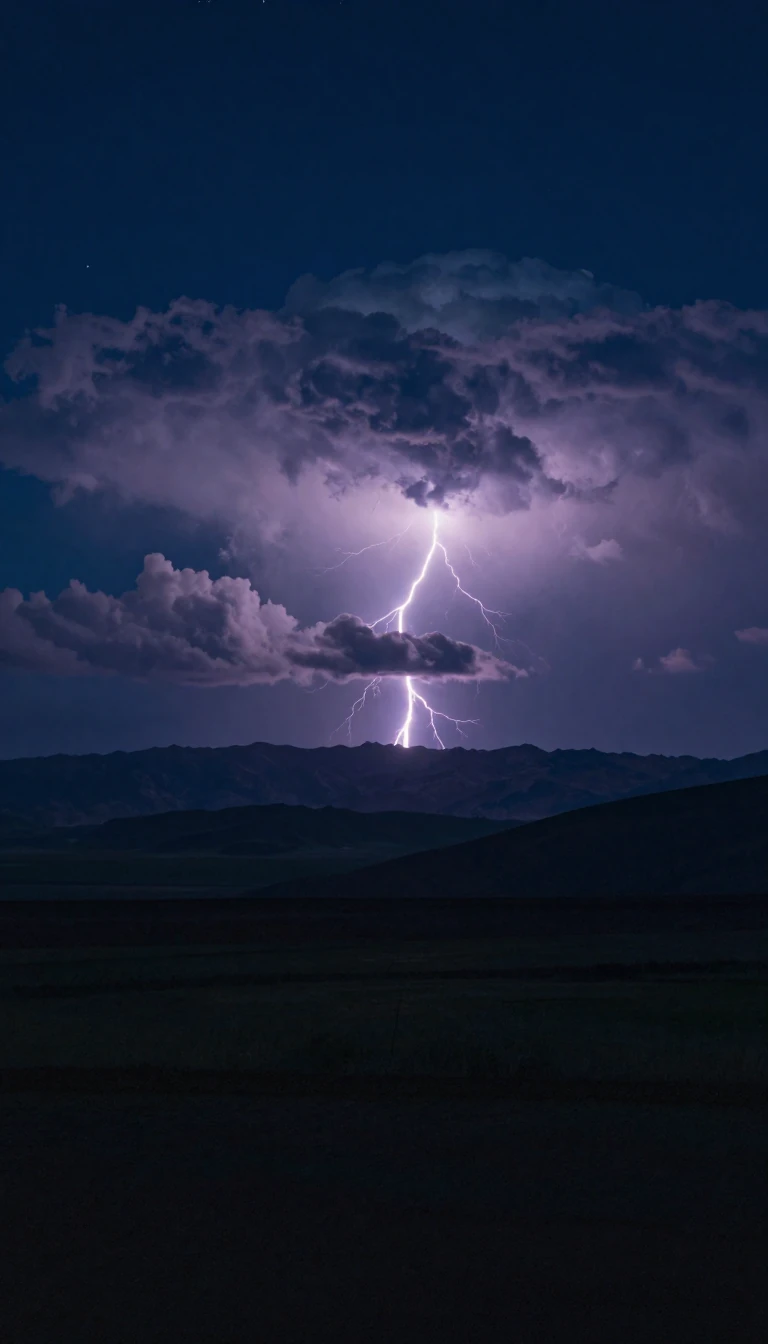
In short: Beyond the moon and stars, our sky glows with airglow, scattered starlight, and interplanetary dust. Even in the absence of artificial light, the atmosphere holds a faint, intrinsic brightness. Understanding this celestial backdrop requires navigating twilight phases, light pollution, and the physiological limits of the human eye in darkness.
The night sky is a dynamic environment defined by more than just the absence of sunlight. Astronomers categorize the transition from day to night into three segments of twilight, each defined by the Sun's position below the horizon. Civil twilight ends at 6 degrees, nautical twilight at 12 degrees, and astronomical twilight at 18 degrees. Only when the Sun drops beyond this 18-degree threshold does the sky reach its minimum brightness, though it never becomes perfectly black.
Several mechanisms contribute to this residual light. Airglow, the scattering of starlight, and even the interaction of sunlight with interplanetary dust—visible as zodiacal light or the antisolar gegenschein—ensure the sky retains a faint luminosity. This background brightness is significant enough that, without it, we would be unable to see the silhouettes of objects against the sky. However, modern observers face the growing challenge of light pollution, which obscures these subtle natural phenomena and forces astronomers to seek remote locations for optimal viewing.
Human perception also plays a critical role in how we interpret the heavens. Because stars are so distant, our eyes cannot perceive depth, leading ancient observers to imagine them as points on a fixed dome. Furthermore, because most stars appear as faint pinpoints, they stimulate our rod cells rather than our color-sensitive cone cells, causing them to look white despite their actual blue or red temperatures. To truly appreciate the night sky, observers must allow for dark adaptation—a process taking several minutes—and often utilize red light to preserve their night vision while consulting star charts.
The sky is also in constant motion. Planets, named for the Greek word for wanderer, shift against the starfield, while satellites and meteors provide fleeting, unpredictable movement. Over vast timescales, the sky itself evolves; stars exhibit proper motion and variable brightness, and the eventual merger of the Milky Way and the Andromeda Galaxy will fundamentally reshape the view from our corner of the universe.
Opens the Intellect+ feed with this card first. Swipe up for the next one.
Sources
- Summary by Intellect · source: Night sky
To cite this card, link to https://intellectplus.co.uk/app/space-night-sky.
How we source, check and correct cards: Editorial standards.
General information, not professional advice. Spotted an error? Flag the card or see corrections and complaints.
Intellect Plus is a visual educational discovery platform for exploring fascinating facts and ideas. Brain Food, Not Brain Rot. What is Intellect Plus?
Related
More in Astronomy basics · More in Space · Latest · A–Z · All topics
