Why do authors pretend to be someone else, and does it matter?
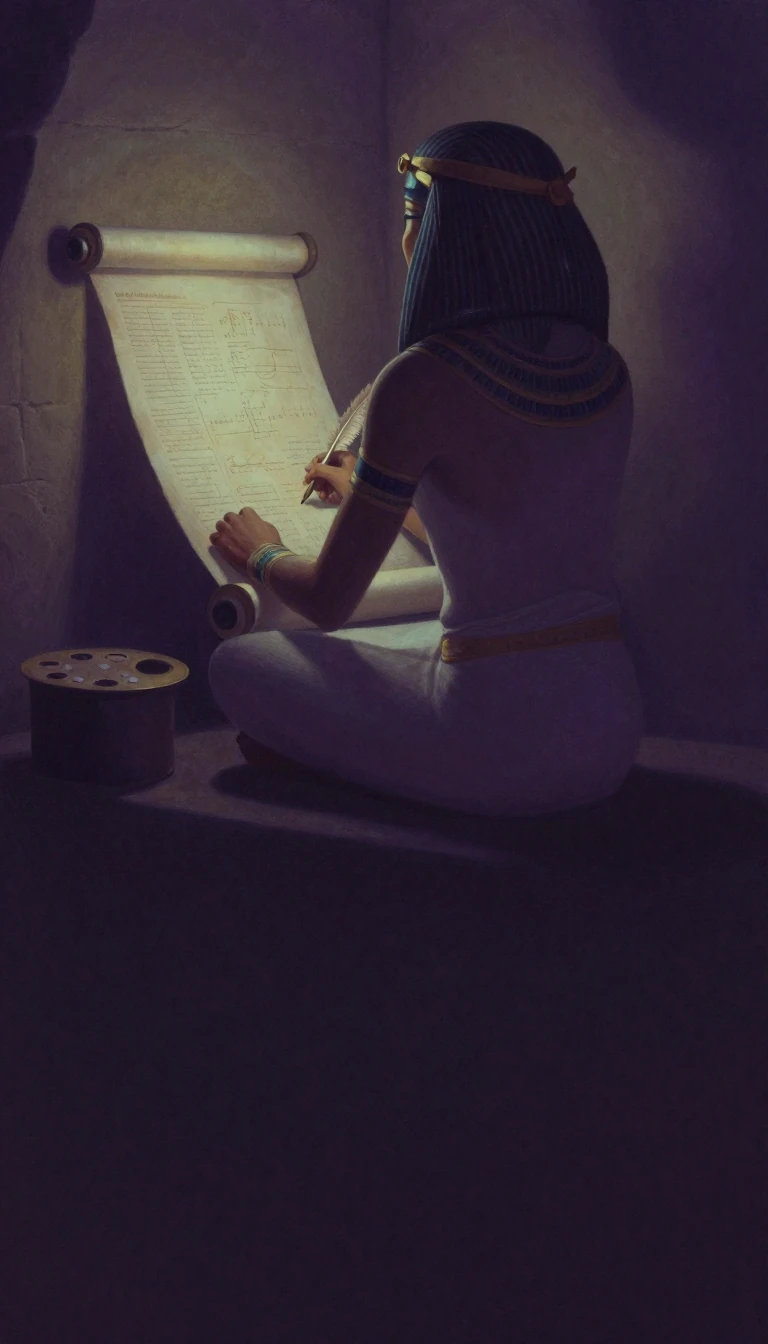
In short: Pseudepigrapha are works falsely attributed to a figure from the past. While often dismissed as forgery, this practice spans centuries, from ancient religious texts to modern literature. Whether used to honor a tradition or manipulate political power, the gap between a claimed author and the true writer reveals fascinating human motivations.
The term pseudepigrapha, derived from Greek for 'false superscription,' describes works where the stated author is not the actual creator. In biblical studies, this includes Jewish religious texts from 300 BCE to 300 CE and canonical books whose authorship is debated. For instance, scholars argue the Book of Daniel was written in the 2nd century BCE, centuries after the prophet lived, to provide weight to prophecies regarding the Seleucid Empire. Similarly, while thirteen New Testament epistles are attributed to Paul, modern scholars often question the authenticity of six, labeling them 'deutero-Pauline.'
Scholars categorize these works across a spectrum ranging from 'literal authorship' to 'forgery.' Some instances, termed 'honorable pseudepigraphy,' involve disciples writing in a mentor's name to preserve their legacy. Others are more cynical. The 'Donation of Constantine,' a forged 8th-century decree, was used for centuries to justify papal political authority until Lorenzo Valla exposed it in 1439–1440. Likewise, the 13th-century Zohar, attributed to the 2nd-century Rabbi Shimon bar Yochai, is widely considered by modern historians like Gershom Scholem to be the work of the medieval Spanish writer Moses de León.
Beyond religion and politics, pseudepigraphy serves as a sophisticated literary device. Authors like Jorge Luis Borges, Vladimir Nabokov, and J.R.R. Tolkien have used it to create layers of narrative distance. By framing their stories as 'found' manuscripts or translations—such as Tolkien’s Red Book of Westmarch or Burroughs’s Tarzan series—writers manipulate the reader's sense of reality. This metafictional technique transforms the act of authorship into a performance, proving that the 'false name' on a title page is often as intentional and meaningful as the text itself.
Opens the Intellect+ feed with this card first. Swipe up for the next one.
Sources
- Summary by Intellect · source: Pseudepigrapha
To cite this card, link to https://intellectplus.co.uk/app/ideas-pseudepigrapha.
How we source, check and correct cards: Editorial standards.
General information, not professional advice. Spotted an error? Flag the card or see corrections and complaints.
Intellect Plus is a visual educational discovery platform for exploring fascinating facts and ideas. Brain Food, Not Brain Rot. What is Intellect Plus?
Related
More in Writers · More in Ideas & Philosophy · Latest · A–Z · All topics
