How a Flemish composer turned Venice into the musical heart of the Renaissance
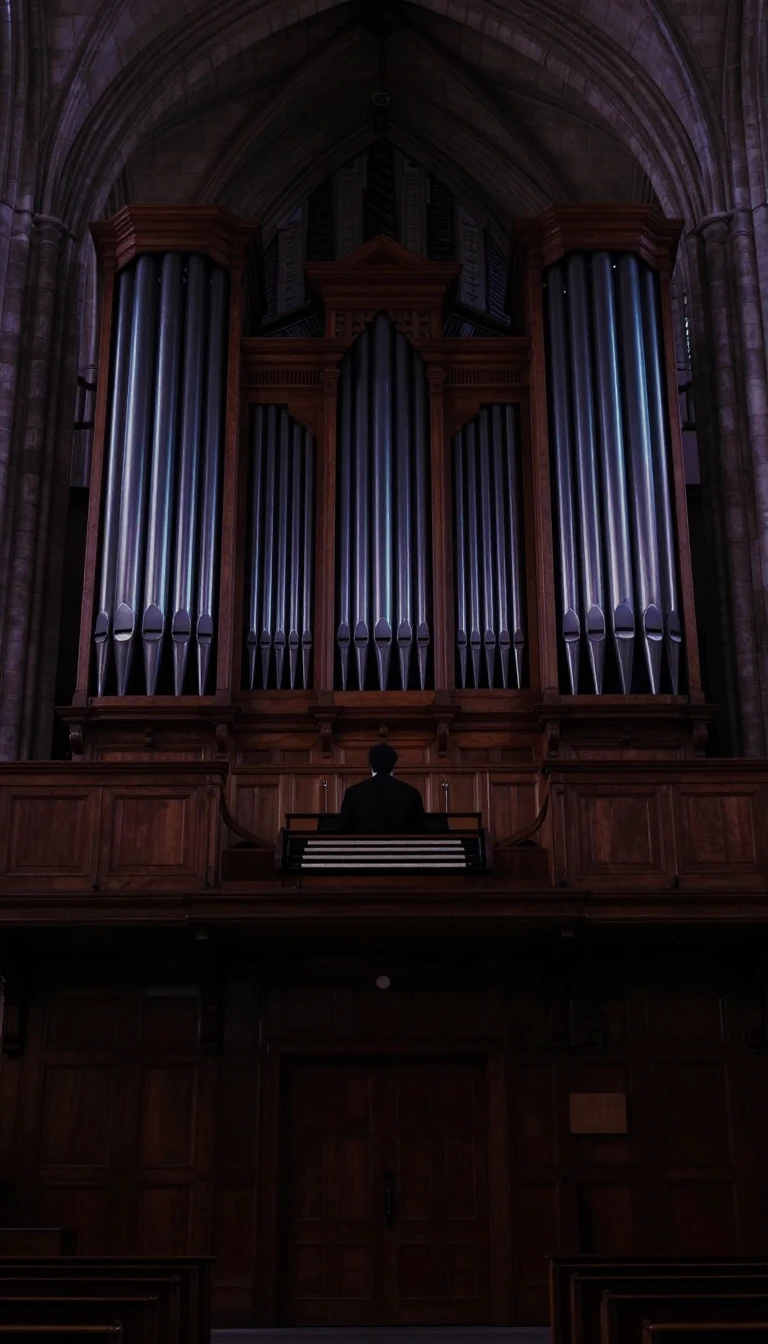
In short: Adrian Willaert, a Flemish transplant, transformed 16th-century Venice into Europe's premier musical hub. By leveraging the unique architecture of St. Mark's Basilica, he pioneered the polychoral style, influencing generations of composers and setting the stage for the Baroque era through his innovative approach to harmony, chromaticism, and emotional expression.
Born around 1490, Adrian Willaert originally traveled to Paris to study law but pivoted to music under the tutelage of Jean Mouton. His early career was marked by a surprising encounter in Rome, where he discovered the papal choir performing his own motet, mistakenly attributing it to the legendary Josquin des Prez. This early style, rooted in smooth polyphony and strict imitation, eventually evolved as Willaert moved through the courts of Ferrara and Milan before securing his most significant appointment in 1527 as maestro di cappella at St. Mark's in Venice.
Willaert's tenure at St. Mark's was transformative. Observing the basilica's two opposing choir lofts, each equipped with an organ, he developed an antiphonal style that divided the choir into two sections. This polychoral method, formalized in his 1550 publication Salmi spezzati, allowed for alternating or simultaneous singing, creating a rich, spatial sound. While historical research suggests he was not the absolute first to employ this technique—predecessors like Dominique Phinot and Johannes Martini had experimented with it—Willaert’s settings were the ones that achieved widespread fame and imitation.
Beyond his sacred works, Willaert was a master of secular forms, particularly the madrigal. He pioneered the use of chromaticism and word painting to reflect the emotional qualities of texts, often standardizing five-voice settings. His influence extended through his teaching; he mentored a brilliant cohort including Cipriano de Rore, Gioseffo Zarlino, and Andrea Gabrieli. This group formed the core of the Venetian School, which dominated the musical landscape through the 17th century. By the time of his death in 1562, Willaert had left behind a vast legacy of masses, motets, and instrumental ricercares, cementing his status as the most influential musician in Europe between the eras of Josquin and Palestrina.
Opens the Intellect+ feed with this card first. Swipe up for the next one.
Sources
- Summary by Intellect · source: Adrian Willaert
- Also: Adriaan Willaert | Renaissance, Music, Composer | Britannica
To cite this card, link to https://intellectplus.co.uk/app/music-adrian-willaert.
How we source, check and correct cards: Editorial standards.
General information, not professional advice. Spotted an error? Flag the card or see corrections and complaints.
Intellect Plus is a visual educational discovery platform for exploring fascinating facts and ideas. Brain Food, Not Brain Rot. What is Intellect Plus?
Related
More in Musicians and composers · More in Music · Latest · A–Z · All topics
