Why Chopin's First Piano Concerto is a masterclass in emotional, unconventional musical storytelling
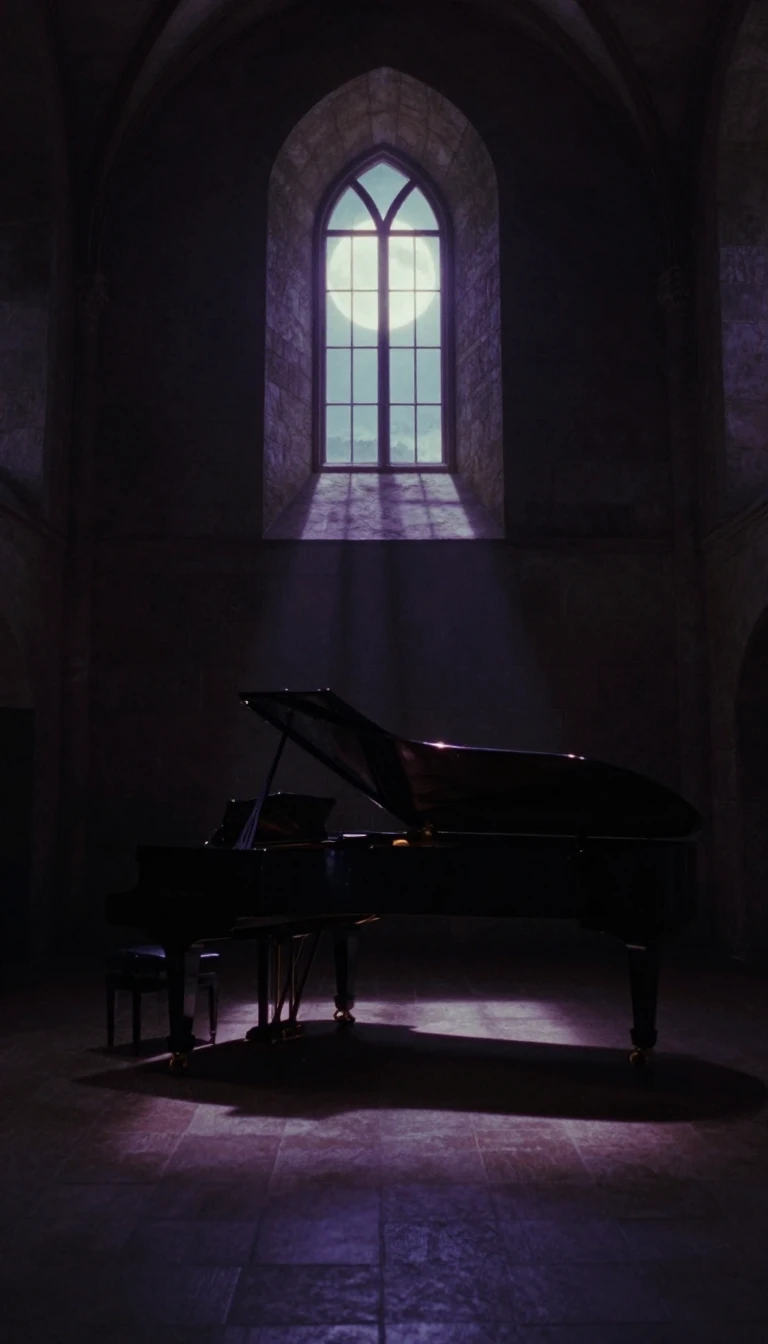
In short: Written when he was just twenty, Chopin’s Piano Concerto No. 1 remains a polarizing masterpiece. While some critics dismiss its orchestral writing as mere background, others celebrate its daring harmonic shifts and intimate, lyrical beauty. It is a work that captures the composer at a pivotal, bittersweet moment in his life.
Composed in 1830, the Piano Concerto No. 1 in E minor was the first of Chopin's two concertos to reach publication, though it was actually written after his second concerto. Chopin performed the premiere himself in Warsaw that October, playing to a full house of about 700 people. The piece was a success, followed by thunderous applause, and he brought it to Paris just seven weeks later as political instability made his return to Poland impossible.
The concerto is built on three movements, including a central Romanze that Chopin described as a calm, melancholy reverie. He likened the movement to the feeling of looking back on happy memories during a spring evening. Musically, the work is notable for its unusual modulations. In the opening Allegro, Chopin breaks from standard expectations by modulating to the parallel major rather than the traditional relative major, a technique he also employed in his early Piano Sonata No. 1 and Piano Trio in G minor.
The concerto has long sparked debate regarding its orchestration. Critics like James Huneker argued that the orchestral support is dry and lacks the composer's best work, leading some modern musicians to amend the score. Conversely, others maintain that the simplicity of the backing is a deliberate choice, designed to highlight the piano's role rather than compete with it. Robert Schumann, writing in 1836, famously praised the work for bringing a new, profound intensity to the concert hall.
Beyond the concert stage, the concerto has found a lasting home in cinema, appearing in films ranging from the 1942 production The Lady is Willing to the 2015 film The Lady in the Van. Whether viewed as a flawed experiment or a brilliant display of originality, the concerto remains a defining example of Chopin’s ability to weave complex, syncopated rhythms—such as the Krakowiak dance—into a deeply personal and evocative musical narrative.
Opens the Intellect+ feed with this card first. Swipe up for the next one.
Sources
- Summary by Intellect · source: Piano Concerto No. 1 (Chopin)
To cite this card, link to https://intellectplus.co.uk/app/music-piano-concerto-no-1-chopin.
How we source, check and correct cards: Editorial standards.
General information, not professional advice. Spotted an error? Flag the card or see corrections and complaints.
Intellect Plus is a visual educational discovery platform for exploring fascinating facts and ideas. Brain Food, Not Brain Rot. What is Intellect Plus?
Related
More in Music · More in Music · Latest · A–Z · All topics
