The evolution of French classical music through its leading voices
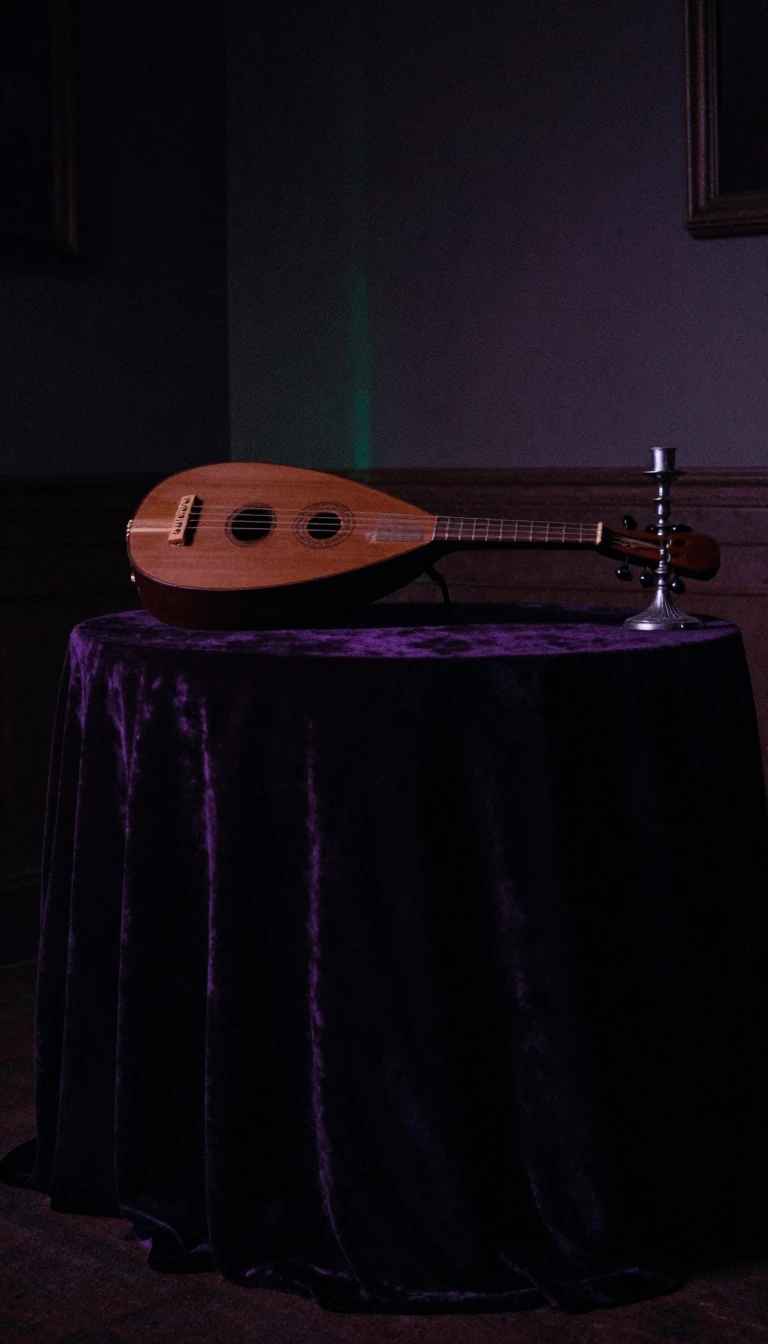
In short: Tracing the lineage of French classical music reveals a transition from early polyphony to the structured elegance of the 18th century. By examining these twelve figures, we see how regional identities and courtly influences shaped a distinct national sound that defined European high culture.
The chronological progression of French classical music begins with Josquin des Prez, who lived between approximately 1450 and 1521. Born near the Franco-Flemish border, his work represents an early era of complex composition before the distinct stylistic shifts of the 17th century. As the timeline moves into the mid-1600s, we see a shift toward individual expression with figures like Jacques Champion de Chambonnières (c. 1601–1672) and Monsieur de Sainte-Colombe (c. 1640–c. 1700). These composers were instrumental in developing the expressive capabilities of early French instruments. The late 17th and early 18th centuries marked a period of significant diversity in gender and style. Élisabeth Jacquet de La Guerre (1665–1729) emerged as a prominent female composer during this time, while Michel Pignolet de Montéclair (1667–1737) and Louis de Caix d'Hervelois (c.
1670–c. 1760) contributed to the era's expanding repertoire. This period solidified the French aesthetic of clarity and grace, moving toward more structured forms that would eventually influence the broader European landscape. By the mid-to-late 18th century, the focus shifted toward technical mastery and public performance. Jean-Marie Leclair the Younger (1703–1777) and Joseph-Nicolas-Pancrace Royer (c. 1705–1755) represent this transition into a more refined classical style. This era culminated in the late 18th century with François-André Danican Philidor (1726–1795), whose work bridged the gap toward the modern age. Finally, the 19th century saw a continuation of these traditions through Louis James Alfred Lefébure-Wély (1817–1869) and Joseph Jean-Baptiste Laurent Arban (1825–1889).
This lineage demonstrates how French music was not a static tradition but a dynamic evolution. From the Franco-Flemish influences of the 15th century to the pedagogical and technical advancements of the late 1800s, these composers navigated changing social structures—from royal courts to public concert halls—to define what it meant to be a French musical voice.
Opens the Intellect+ feed with this card first. Swipe up for the next one.
Sources
- Summary by Intellect · source: Chronological list of French classical composers
To cite this card, link to https://intellectplus.co.uk/app/music-chronological-list-of-french-classical-composers.
How we source, check and correct cards: Editorial standards.
General information, not professional advice. Spotted an error? Flag the card or see corrections and complaints.
Intellect Plus is a visual educational discovery platform for exploring fascinating facts and ideas. Brain Food, Not Brain Rot. What is Intellect Plus?
Related
More in Classical music · More in Music · Latest · A–Z · All topics
