Lo-fi music is not just bad production; it is a deliberate, evolving aesthetic choice.
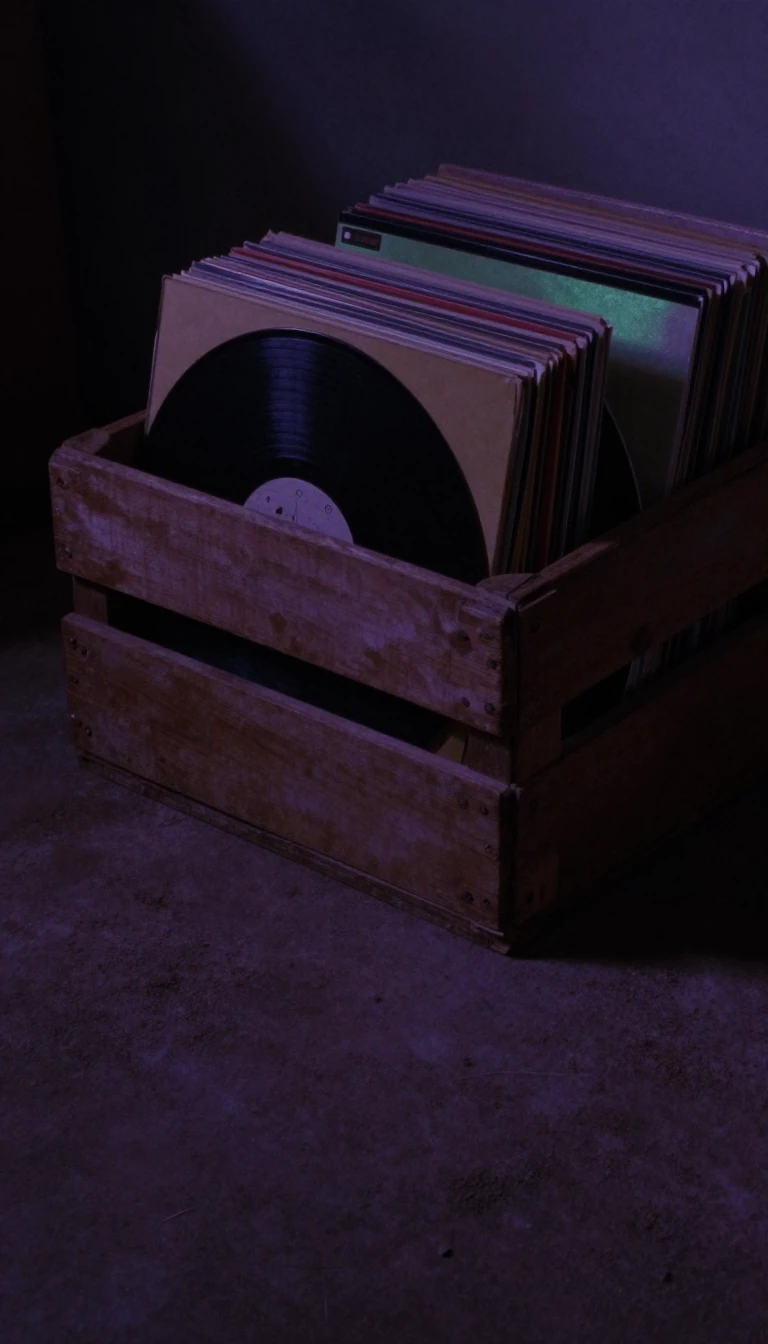
In short: Once dismissed as mere technical incompetence, lo-fi music has transformed from a DIY necessity into a celebrated, nostalgic aesthetic. While early recordings were defined by accidental tape hiss and environmental noise, modern artists now intentionally cultivate these imperfections to evoke intimacy, warmth, and a raw, human connection to the listener.
The term 'lo-fi'—short for low fidelity—has shifted in meaning since the 1950s. Initially, it simply described sound quality inferior to 'hi-fi,' a definition solidified by the Oxford English Dictionary in 1976. However, by the 1980s, a romanticism for home-recorded, DIY music emerged. WFMU disc jockey William Berger is widely credited with popularizing the term through his 1986–1987 radio show, 'Low-Fi,' which showcased home recordings produced on inexpensive equipment. By 2003, the dictionary had added a second definition: a rock genre characterized by minimal production and a raw, unsophisticated sound.
At its core, lo-fi celebrates 'phonographic' and 'non-phonographic' imperfections. Phonographic artifacts, such as tape saturation, harmonic distortion, and limited frequency response, arise from the recording medium itself. Non-phonographic sounds include environmental noise like passing vehicles, coughing, or page-turning. While audio engineers traditionally view these as undesirable, lo-fi artists use them to create a sense of 'analogue warmth' or intimacy. This aesthetic was pioneered by artists like the Beach Boys, whose 1967 albums Smiley Smile and Wild Honey utilized makeshift home studios, and R. Stevie Moore, often cited as the 'godfather of home recording' for his basement-produced reel-to-reel tapes.
The 1990s saw lo-fi coalesce into a recognized movement, often linked to 'slacker' culture and Generation X. Artists like Beck and Guided by Voices became the face of the genre, though many musicians rejected the label as limiting. Today, the concept has expanded into 'bedroom pop' and lofi hip-hop, fueled by digital audio workstations and social media virality. Despite the evolution from cassette-trading subcultures to Spotify playlists, the genre remains defined by its tension between professional polish and the deliberate, humanizing flaws that make a recording feel personal, immediate, and authentic.
Opens the Intellect+ feed with this card first. Swipe up for the next one.
Sources
- Summary by Intellect · source: Lo-fi music
To cite this card, link to https://intellectplus.co.uk/app/music-lo-fi-music.
How we source, check and correct cards: Editorial standards.
General information, not professional advice. Spotted an error? Flag the card or see corrections and complaints.
Intellect Plus is a visual educational discovery platform for exploring fascinating facts and ideas. Brain Food, Not Brain Rot. What is Intellect Plus?
Related
More in Music · More in Music · Latest · A–Z · All topics
