Why Beethoven's Fifth Piano Concerto has nothing to do with any actual emperor
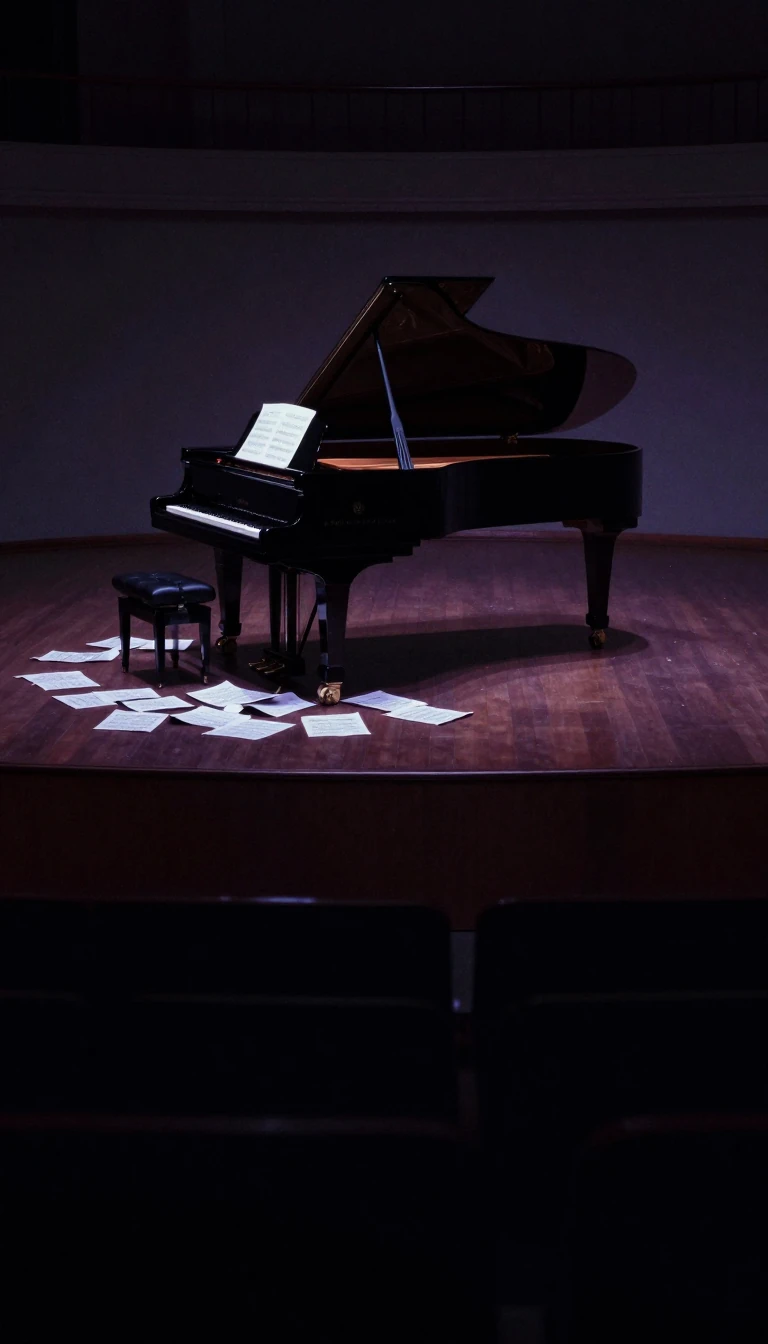
In short: Despite its regal nickname, Beethoven's Piano Concerto No. 5 was never intended to honor a monarch. Composed during the Napoleonic siege of Vienna, the work reflects a turbulent era of war and military struggle. It redefined the relationship between soloist and orchestra, establishing the pianist as a dominant, heroic force.
Beethoven composed his fifth piano concerto in 1809 while Vienna was under siege by Napoleon's armies. The composer, who famously struggled with his hearing, retreated to his brother's cellar during the bombardment, shielding his ears with pillows to protect his remaining senses. This war-ridden environment deeply influenced the work's heroic tone, which musicologist Alfred Einstein later described as an apotheosis of military concepts. Despite the popular label Emperor, the concerto has no connection to any ruler. The name likely originated with the English publisher Johann Baptist Cramer, and historians agree that Beethoven, who disapproved of Napoleon's conquests, would have disliked the title.
The concerto introduced radical innovations that shifted the genre's landscape. Unlike Mozart's concertos, where the piano and orchestra functioned as partners, Beethoven elevated the pianist to a heroic, directional soloist. He also pioneered the practice of linking movements to create structural unity, a technique that would influence later composers. In the first movement, Beethoven broke tradition by forbidding the soloist from improvising their own cadenza, choosing instead to write it out himself to maintain total control over the piece's flow and intensity. This movement, which opens with three sonorous chords followed by piano flourishes, remains the longest opening movement of any of his piano concertos.
The work's legacy is immense, cementing its status as a cornerstone of the classical repertoire. It has been recorded by legendary pianists including Claudio Arrau, Wilhelm Kempff, and Glenn Gould. Its enduring popularity is evident in its performance history; as of 2021, it had been played more than 200 times at Carnegie Hall, making it the most frequently performed piano concerto at that venue. From its 1811 premiere in Leipzig to its continued presence on modern stages, the concerto stands as a testament to Beethoven's ability to transform personal struggle and political turmoil into a grand, radiant vision of freedom.
Opens the Intellect+ feed with this card first. Swipe up for the next one.
Sources
- Summary by Intellect · source: Piano Concerto No. 5 (Beethoven)
To cite this card, link to https://intellectplus.co.uk/app/music-piano-concerto-no-5-beethoven.
How we source, check and correct cards: Editorial standards.
General information, not professional advice. Spotted an error? Flag the card or see corrections and complaints.
Intellect Plus is a visual educational discovery platform for exploring fascinating facts and ideas. Brain Food, Not Brain Rot. What is Intellect Plus?
Related
More in Music · More in Music · Latest · A–Z · All topics
