The Moonlight Sonata was never named by Beethoven and contains no moonlight at all.
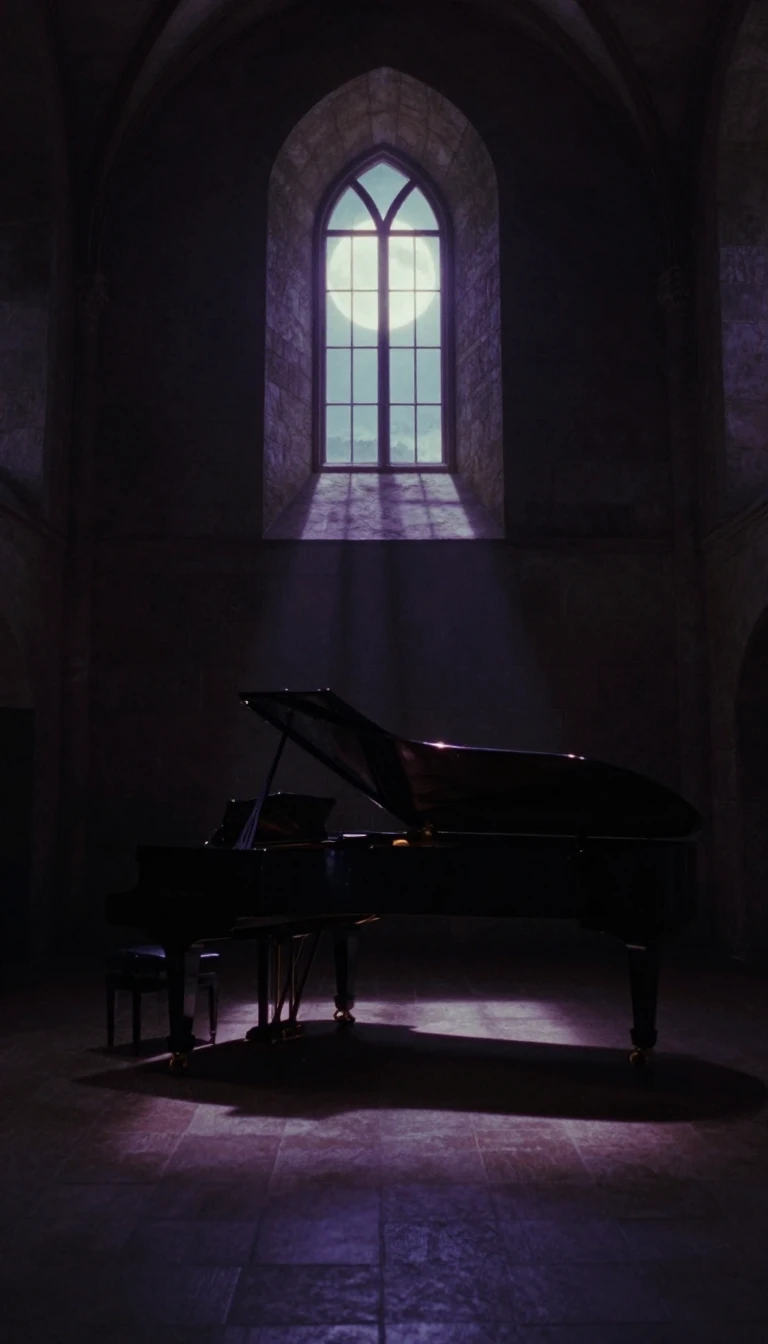
In short: Beethoven completed his Piano Sonata No. 14 in 1801, but the famous nickname only emerged decades later. Far from a nocturnal landscape, the piece was intended as a fantasy-like experiment. Experts argue the first movement is actually a solemn funeral dirge, not a romantic ode to the night.
Beethoven’s Piano Sonata No. 14, Op. 27, No. 2, was completed in 1801 and dedicated to his pupil, Countess Julie Guicciardi. While globally recognized as the Moonlight Sonata, this title was not Beethoven's choice. It originated from a 1824 story by poet Ludwig Rellstab, who described the first movement’s effect as moonlight on a lake. Later, musicologist Wilhelm von Lenz incorrectly attributed the specific setting of Lake Lucerne to Rellstab, cementing the myth.
The composer titled the work Sonata quasi una fantasia, signaling a departure from the rigid fast-slow-fast structure of the Classical period. Instead, Beethoven employed an end-weighted trajectory, saving the most intense, technically demanding music for the final movement. This structural rebellion was meant to treat the opening movement as a prelude rather than a traditional proposition.
Musicians and critics have long debated the true character of the opening movement. Pianist Edwin Fischer suggested it was inspired by a dirge from Mozart’s Don Giovanni, noting that Beethoven even sketched lines of Mozart’s music in the same key. Others, including Carl Czerny and Hector Berlioz, described it as a ghostly, mournful scene. Regardless of the imagery, the movement’s performance remains a technical challenge due to Beethoven’s specific instruction to play without dampers, requiring modern pianists to use specialized pedaling techniques to avoid dissonance.
The sonata’s influence has persisted for centuries, serving as a touchstone for other composers. Frédéric Chopin’s Fantaisie-Impromptu is widely considered a tribute to the work, while Dmitri Shostakovich quoted the first movement in his final composition, the Viola Sonata, op. 147, written in 1975. Despite the enduring popularity of the Moonlight label, many scholars maintain that the title is a misleading, romanticized misinterpretation of a work defined by its structural innovation and somber emotional weight.
Opens the Intellect+ feed with this card first. Swipe up for the next one.
Sources
- Summary by Intellect · source: Piano Sonata No. 14 (Beethoven)
To cite this card, link to https://intellectplus.co.uk/app/music-piano-sonata-no-14-beethoven.
How we source, check and correct cards: Editorial standards.
General information, not professional advice. Spotted an error? Flag the card or see corrections and complaints.
Intellect Plus is a visual educational discovery platform for exploring fascinating facts and ideas. Brain Food, Not Brain Rot. What is Intellect Plus?
Related
More in Music · More in Music · Latest · A–Z · All topics
