Mozart’s famous Turkish March was a deliberate attempt to mock a foreign culture
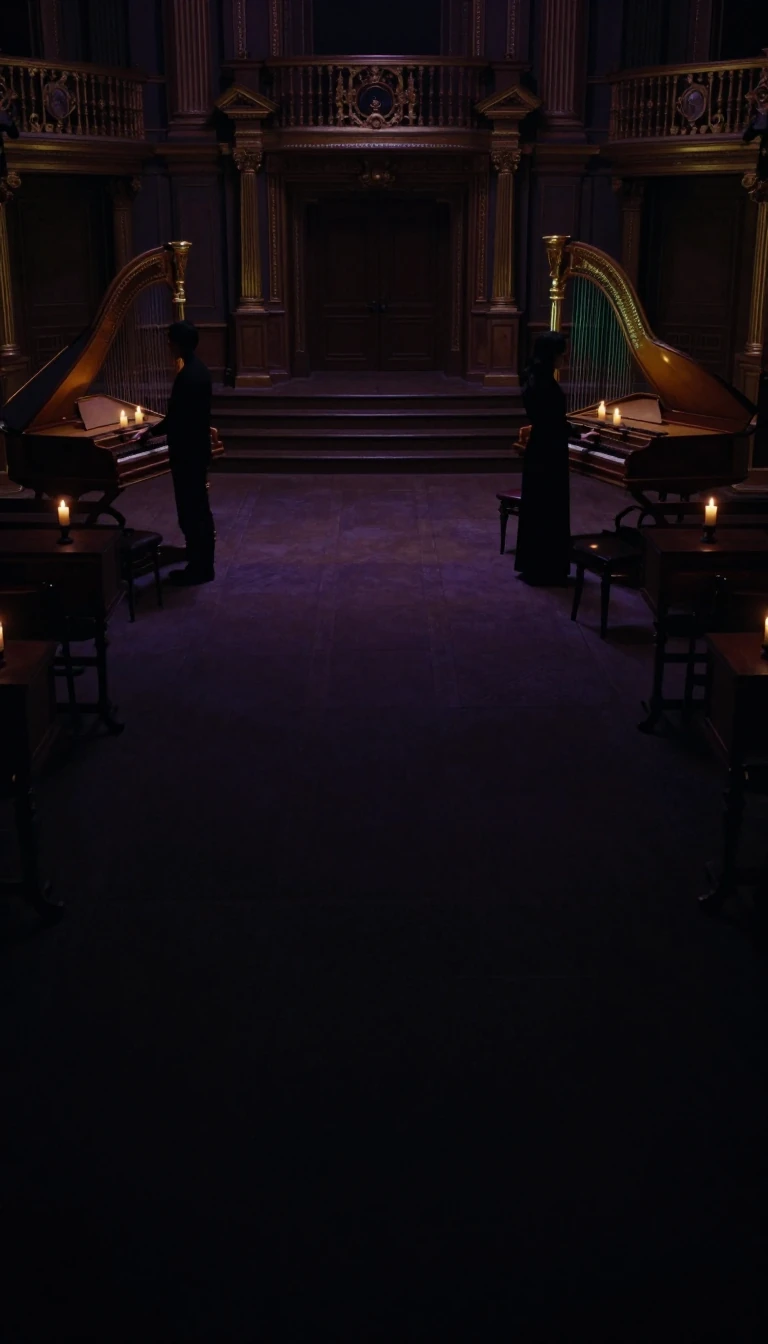
In short: While the Rondo alla Turca is a beloved piano staple, its origins are rooted in the anti-Turkish propaganda of 18th-century Vienna. Mozart used the style to caricature Janissary military bands, portraying them as barbaric and cartoonish—a musical mockery that he later weaponized in works glorifying the Austrian Empire.
Wolfgang Amadeus Mozart’s Piano Sonata No. 11 in A major, cataloged as K. 331 or 300i, is a three-movement work composed between 1781 and 1783. Published by Artaria in 1784 alongside two other sonatas, the piece defies traditional conventions. Instead of opening with an allegro in sonata form, Mozart began with a siciliana theme followed by six variations. The second movement is a standard minuet and trio, while the final movement, the Rondo alla Turca, has become one of his most recognizable compositions.
The Turkish March is structured as an irregular rondo (A–B–C–B–A–B plus a coda). The refrain, or B section, intentionally mimics the percussive, loud sounds of Turkish Janissary military bands. At the time, this style was a popular trend in Vienna, but it functioned as more than mere exoticism. Mozart’s use of the style was often tied to wider anti-Turkish sentiments, where he depicted Turkishness, Moorishness, and Blackness in negative or cartoonish ways. In works like K. 539, written during the Austro-Turkish War of 1788–1791, he used this musical language to portray the Ottoman enemy as fearful and barbaric.
For centuries, the original autograph manuscript of this sonata was considered largely lost, with only the final page of the rondo known to survive in Salzburg. However, in 2014, librarian Balázs Mikusi discovered four additional pages of the manuscript in Budapest’s National Széchényi Library. These pages, which cover parts of the first and middle movements, match the handwriting and paper of the Salzburg fragment. The discovery revealed subtle differences from published editions, such as specific note choices in the fifth variation and the menuetto, providing a clearer look at Mozart’s original intentions for this enduring work.
Opens the Intellect+ feed with this card first. Swipe up for the next one.
Sources
- Summary by Intellect · source: Piano Sonata No. 11 (Mozart)
- Also: Piano Sonata No. 11 in A Major, K 331 | Classical Music, Piano Sonata, Mozart | Britannica
To cite this card, link to https://intellectplus.co.uk/app/music-piano-sonata-no-11-mozart.
How we source, check and correct cards: Editorial standards.
General information, not professional advice. Spotted an error? Flag the card or see corrections and complaints.
Intellect Plus is a visual educational discovery platform for exploring fascinating facts and ideas. Brain Food, Not Brain Rot. What is Intellect Plus?
Related
More in Music · More in Music · Latest · A–Z · All topics
