The African elephant's brain structure is surprisingly similar to that of a human
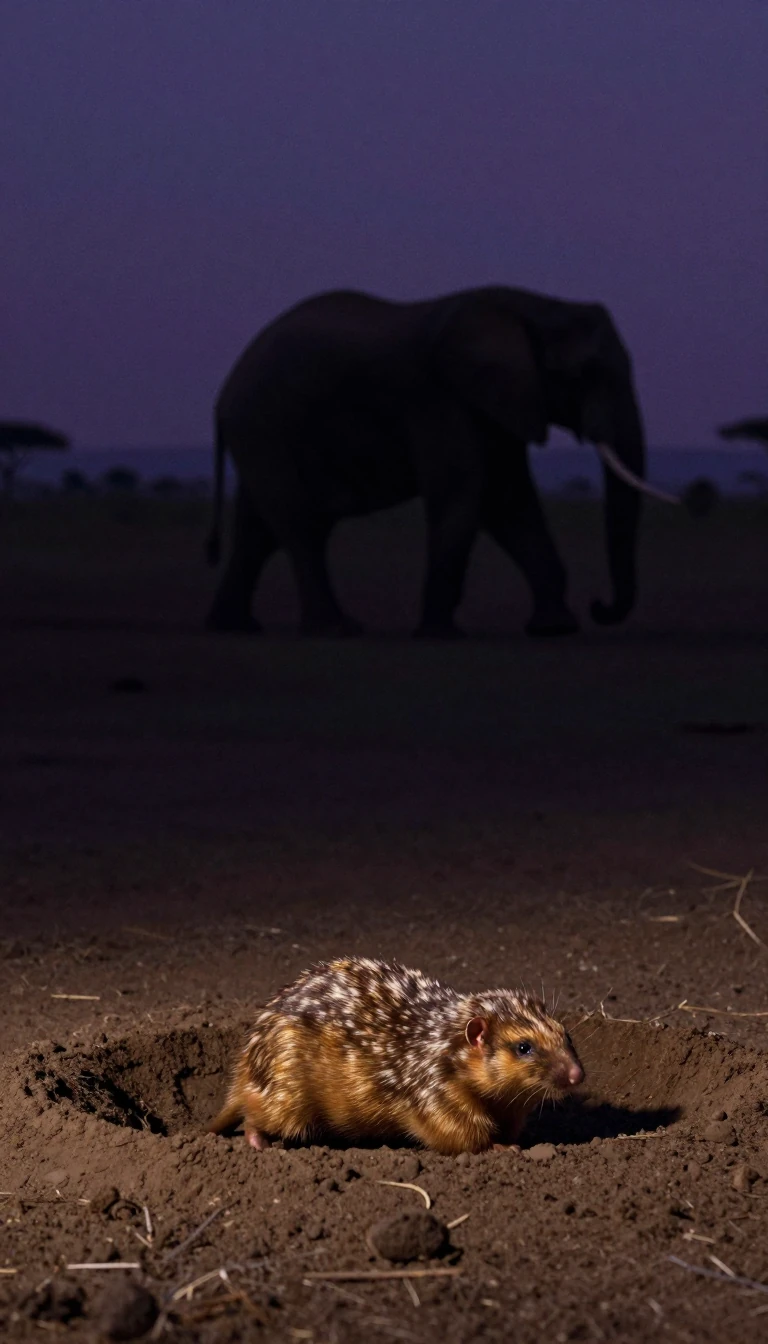
In short: African elephants are not just massive herbivores; they are highly intelligent beings with brains that rival humans in complexity. Featuring a large, convoluted neocortex and a neuron count comparable to our own, these animals exhibit behaviors ranging from grief and altruism to tool use and complex social communication.
The genus Loxodonta, named for the lozenge-shaped enamel of its molar teeth, comprises two distinct species: the African bush elephant and the African forest elephant. While once considered a single species, genetic and morphological evidence now confirms their separation, which occurred between 2.6 and 5.6 million years ago. These animals are social, highly intelligent, and possess a brain larger than any other terrestrial creature, weighing over 5 kg.
Their physical anatomy is perfectly adapted for survival. The trunk, a prehensile elongation of the nose and upper lip, is controlled by up to 60,000 muscles, allowing it to perform delicate tasks or lift massive weights. Large ears serve as vital cooling mechanisms, with blood vessels helping to shed heat during high temperatures. Their tusks, which grow throughout their lives, are essential tools for digging, stripping bark, and defending against predators.
Socially, elephants are complex. They live in matriarchal family units and communicate across vast distances using low-frequency infrasonic calls that humans cannot hear. Males, once thought to be solitary, actually maintain ecological knowledge and mentor younger bulls. Despite their size, they are vital ecosystem engineers, spreading seeds through their dung that facilitate the growth of diverse plant species across their range.
Today, both species face severe threats, including habitat loss and poaching for the illegal ivory trade. The bush elephant is currently listed as endangered, while the forest elephant is critically endangered. Understanding their deep evolutionary history and unique cognitive abilities is not just a matter of biological curiosity, but a necessity for ensuring the survival of these highly intelligent, social giants.
Opens the Intellect+ feed with this card first. Swipe up for the next one.
Sources
- Summary by Intellect · source: African elephant
- Also: iNaturalist — African Savanna Elephant (Loxodonta africana) · CC BY-SA 4.0 (Wikipedia summary)
To cite this card, link to https://intellectplus.co.uk/app/nature-african-elephant.
How we source, check and correct cards: Editorial standards.
General information, not professional advice. Spotted an error? Flag the card or see corrections and complaints.
Intellect Plus is a visual educational discovery platform for exploring fascinating facts and ideas. Brain Food, Not Brain Rot. What is Intellect Plus?
Related
More in Physical geography · More in Nature · Latest · A–Z · All topics
