The colossal history of the elephant family, from ancient giants to modern survivors
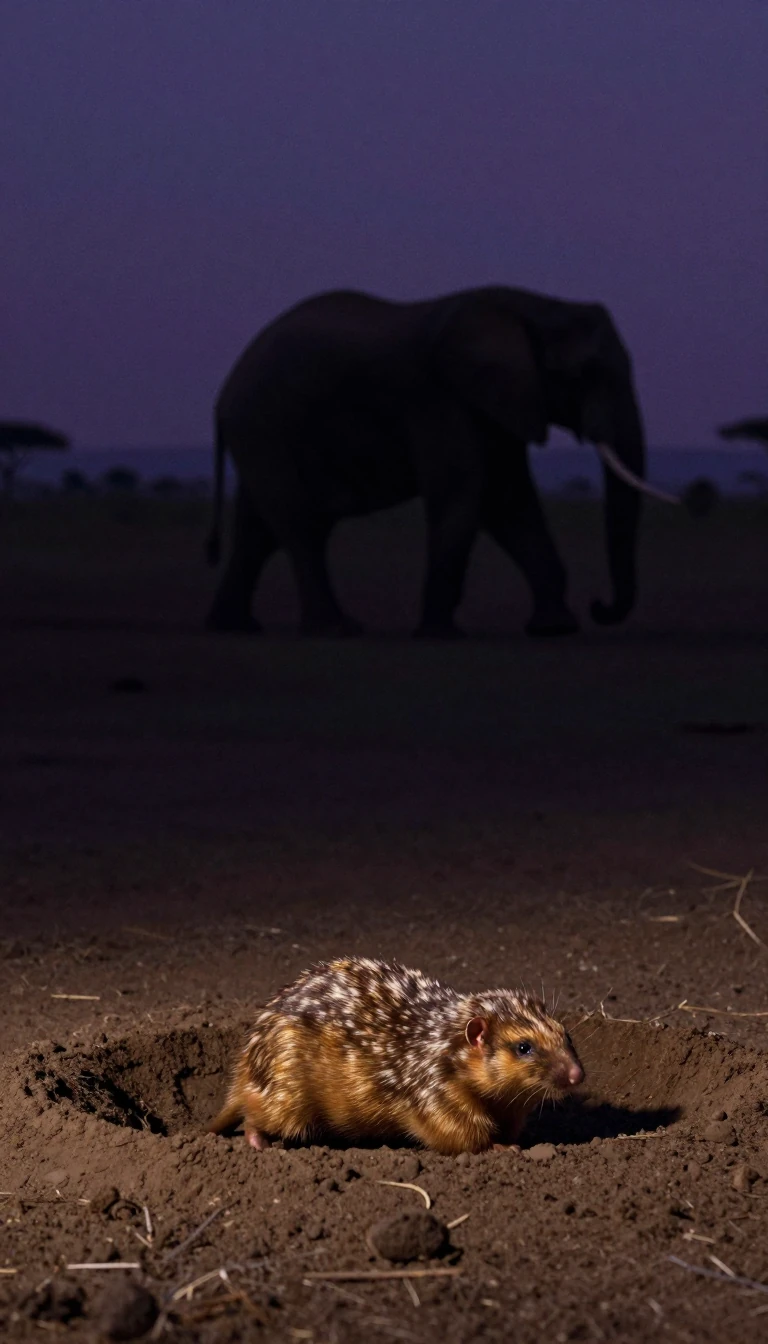
In short: The Elephantidae family includes more than just the elephants we recognize today. From the massive, extinct mammoths to the mysterious Palaeoloxodon, these proboscideans have evolved over millions of years. Their journey from Afro-Arabia to global dominance reveals a complex story of migration, hybridization, and remarkable physical adaptation.
The family Elephantidae, first described by John Edward Gray in 1821, represents a specialized lineage of proboscideans. Unlike their more primitive ancestors, the gomphotheres, elephantids evolved distinct dental structures. Their teeth feature parallel lophs—ridges of enamel and dentine bound by cementum—that allowed for more efficient chewing through a unique forward-moving jaw stroke. Over time, these lophs evolved into complex, concertina-like plates, and the jaw structure shortened, eventually losing the permanent premolars and lower tusks found in the earliest known member, Stegotetrabelodon.
Size and social behavior are defining traits of this group. Elephantids are sexually dimorphic, with males often significantly larger than females. Some extinct species reached staggering proportions; Palaeoloxodon namadicus is theorized to be the largest land mammal ever, though fragmentary remains make this difficult to confirm. Fossil evidence, including footprint tracks, suggests that even the earliest elephantids lived in herds. Furthermore, the biological phenomenon of musth—a state of heightened aggression in adult males—appears to be an ancient trait, with evidence found in the tusks of woolly mammoths and the skeletal remains of Palaeoloxodon antiquus.
Genetic research has rewritten the family tree, revealing unexpected relationships. While Elephas and Mammuthus are closely linked, Palaeoloxodon shares a closer evolutionary history with Loxodonta, the African elephant genus. Hybridization was also a factor, with Palaeoloxodon showing signs of interbreeding with African forest elephants and mammoths. Originating in Afro-Arabia 10 to 8 million years ago, these creatures eventually spread across the globe. While most lineages vanished during the Late Pleistocene, relict populations of mammoths persisted on Wrangel Island until approximately 4,000 years ago, marking the final chapter of a once-vast terrestrial dynasty.
Opens the Intellect+ feed with this card first. Swipe up for the next one.
Sources
- Summary by Intellect · source: Elephantidae
To cite this card, link to https://intellectplus.co.uk/app/nature-elephantidae.
How we source, check and correct cards: Editorial standards.
General information, not professional advice. Spotted an error? Flag the card or see corrections and complaints.
Intellect Plus is a visual educational discovery platform for exploring fascinating facts and ideas. Brain Food, Not Brain Rot. What is Intellect Plus?
Related
More in Vertebrates · More in Nature · Latest · A–Z · All topics
