The Algoman orogeny was a violent, mountain-building collision that forged North America's ancient core.
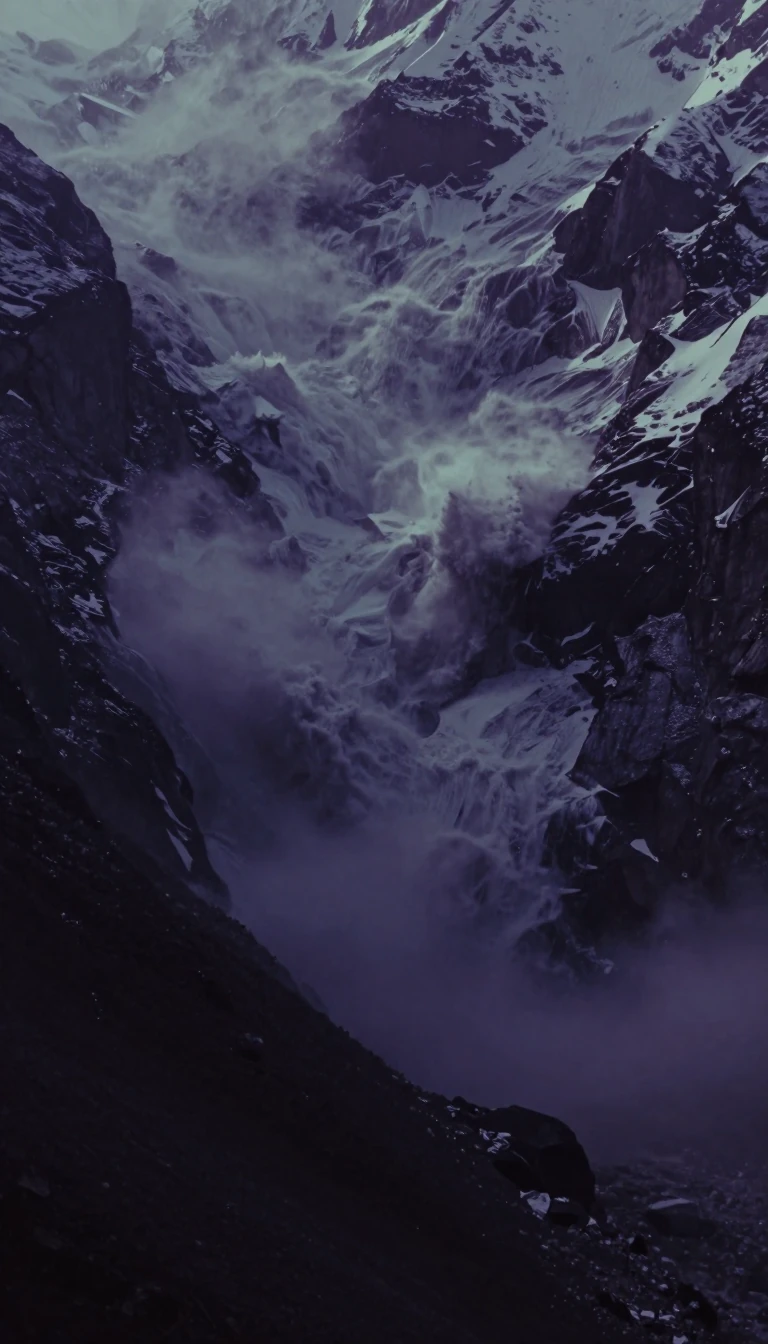
In short: Around 2,700 million years ago, the Earth's crust underwent a massive transformation. Through repeated continental collisions and intense volcanic activity, the Algoman orogeny welded together small terranes to form the Superior province. This ancient event, marking the end of the Archean Eon, literally built the foundations of the North American continent.
The Algoman orogeny, also known as the Kenoran orogeny in Canada, represents a pivotal era in Earth's geological history. Occurring between approximately 2,700 and 2,500 million years ago, this period of mountain-building involved complex tectonic processes, including subduction, compression, and the collision of various crustal blocks. These events were so powerful that they folded the Earth's crust and generated the extreme heat and pressure required to metamorphose existing volcanic and sedimentary rocks into the distinctive greenstone belts found across the Canadian Shield today.
The process was characterized by the welding of smaller terranes into larger blocks, such as the Superior province, which now serves as the core of the North American continent. The collision between the Superior province and the Minnesota River Valley terrane created the Great Lakes tectonic zone, a 50 km wide boundary stretching 1,200 km from South Dakota to Ontario. This period was marked by massive granite intrusions and the formation of subprovinces like the Wabigoon, Quetico, and Wawa, which represent ancient volcanic island chains and accretionary wedges.
By the end of the Archean Eon, about 2,500 million years ago, the Earth's crust had achieved thicknesses of roughly 40 km under the continents. The orogeny was not merely a local event; it influenced regions as far as the Slave and Nain provinces. These combined landmasses eventually contributed to the formation of Kenorland, Earth's first supercontinent, between 2,000 and 1,700 million years ago. The geological legacy of this time remains visible today in the intensely folded and faulted rocks that define the Precambrian landscape of North America.
Opens the Intellect+ feed with this card first. Swipe up for the next one.
Sources
- Summary by Intellect · source: Algoman orogeny
To cite this card, link to https://intellectplus.co.uk/app/nature-algoman-orogeny.
How we source, check and correct cards: Editorial standards.
General information, not professional advice. Spotted an error? Flag the card or see corrections and complaints.
Intellect Plus is a visual educational discovery platform for exploring fascinating facts and ideas. Brain Food, Not Brain Rot. What is Intellect Plus?
Related
More in Geology · More in Nature · Latest · A–Z · All topics
